
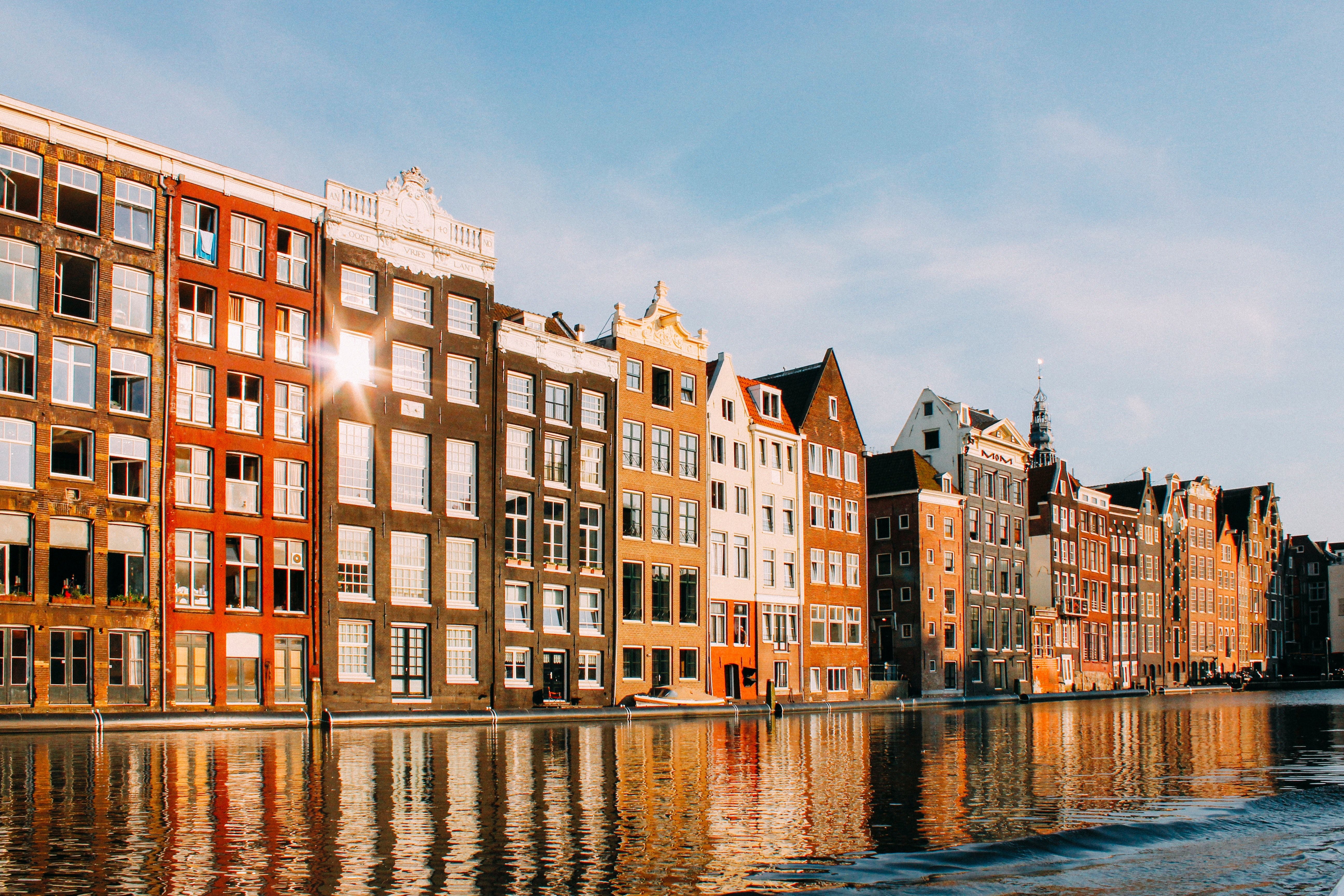
On Wednesday 3rd, the European Commission unveiled the EU Agenda for Cities, reinforcing urban development policy and fortifying the role of cities in Europe’s future growth and development.
The EU Agenda for Cities offers a strategic vision to empower cities in tackling local challenges contributing to meeting broader EU goals. It provides a unified framework to strengthen the territorial and urban dimensions of EU policies and streamline existing support for urban areas. Furthermore, it calls for more dialogue with local authorities about their needs and experiences to inform future EU policies and legislation.
Cities are crucial hubs for Europe’s prosperity and competitiveness, playing a key role in job creation, social inclusiveness, decarbonisation and sustainability. They are therefore at the forefront of addressing vital challenges for the continent’s future.
Currently, approximately 75% of the EU population – around 340 million people – reside in cities and urban areas. This underscores the significance of cities as centres of talent, innovation and investment. However, cities face significant challenges such as affordable housing, high energy costs, security, social segregation, and climate impacts. Additionally, demographic shifts and the demand for public services require adaptive strategies to retain skilled workforces and bolster economic and social cohesion.
Three main areas of action
- Continuous dialogue: establishing annual high-level political and technical level dialogues with cities to discuss EU policies affecting urban areas to better understand and take into account the needs of cities.
- Simplification and capacity building: a new EU Cities Platform will consolidate and simplify EU support for urban areas, thus avoiding fragmentation. An EU Cities web portal will offer a single-entry point for information on activities, events, policy updates, funding opportunities, and urban development initiatives.
- Investment: the EU is already providing considerable support to cities and urban areas through cohesion policy but also additional assistance available through several sectoral policies. The Commission aims to support cities further. It has proposed an ambitious long-term budget that gives opportunities to support cities such as through the national and regional partnership plans, the EU Facility, the European Competitiveness Fund, Horizon Europe and Global Europe.
The Agenda also outlines upcoming opportunities for cities, including the call for European Urban Initiative Innovative Actions opening in early 2026 and the production of a regular State of European Cities report. Implementation of the EU Agenda for Cities begins under the current financial framework and will continue through the next programming period.
Background
The Commission supports sustainable and integrated urban development through various initiatives, with cohesion policy providing significant territorial investment. The EU Agenda for Cities strengthens this approach by focusing EU action on delivering key policy priorities locally. It builds on existing strategic frameworks such as the Territorial Agenda 2030 and the New Leipzig Charter, complementing ongoing intergovernmental cooperation under the Urban Agenda for the EU.
The EU Agenda for Cities is the result of extensive consultation, drawing from 193 contributions received from local authorities, citizens, civil society, and other stakeholders. Input was also gathered from discussions at the Cities Forum in Kraków (June 17–19, 2025), the Implementation Dialogue on sustainable urban development (June 24, 2025), and numerous bilateral exchanges with organizations representing local, regional, and national authorities as well as European urban networks.
For more information: European Commission
Publicaciones relacionadas:
 Bulgaria have joined euro area from 1 January
 A new strategic vision for the outermost regions, strengthening the EU’s global reach
 European Commission launches the “Talent Promotion Facility”
 President von der Leyen and the College of Commissioners will participate in the inauguration of the Spanish Presidency of the Council of the EU in Madrid
 April infringement package: main decisions for Spain
Leave a Reply