
Last June 9, Commissioner for Internal Affairs and Migration, Magnus Brunner and the European Union Drugs Agency (EUDA) are presenting the 2026 European Drug Report 2026, with the latest evidence on the state of the drugs situation in Europe.
Based on data from 29 countries (EU-27, Norway and Türkiye), the report shows that drugs have an increasingly negative impact on European health and security as they have become more available, more diverse, and more potent – while organised crime groups resort to violence more frequently.
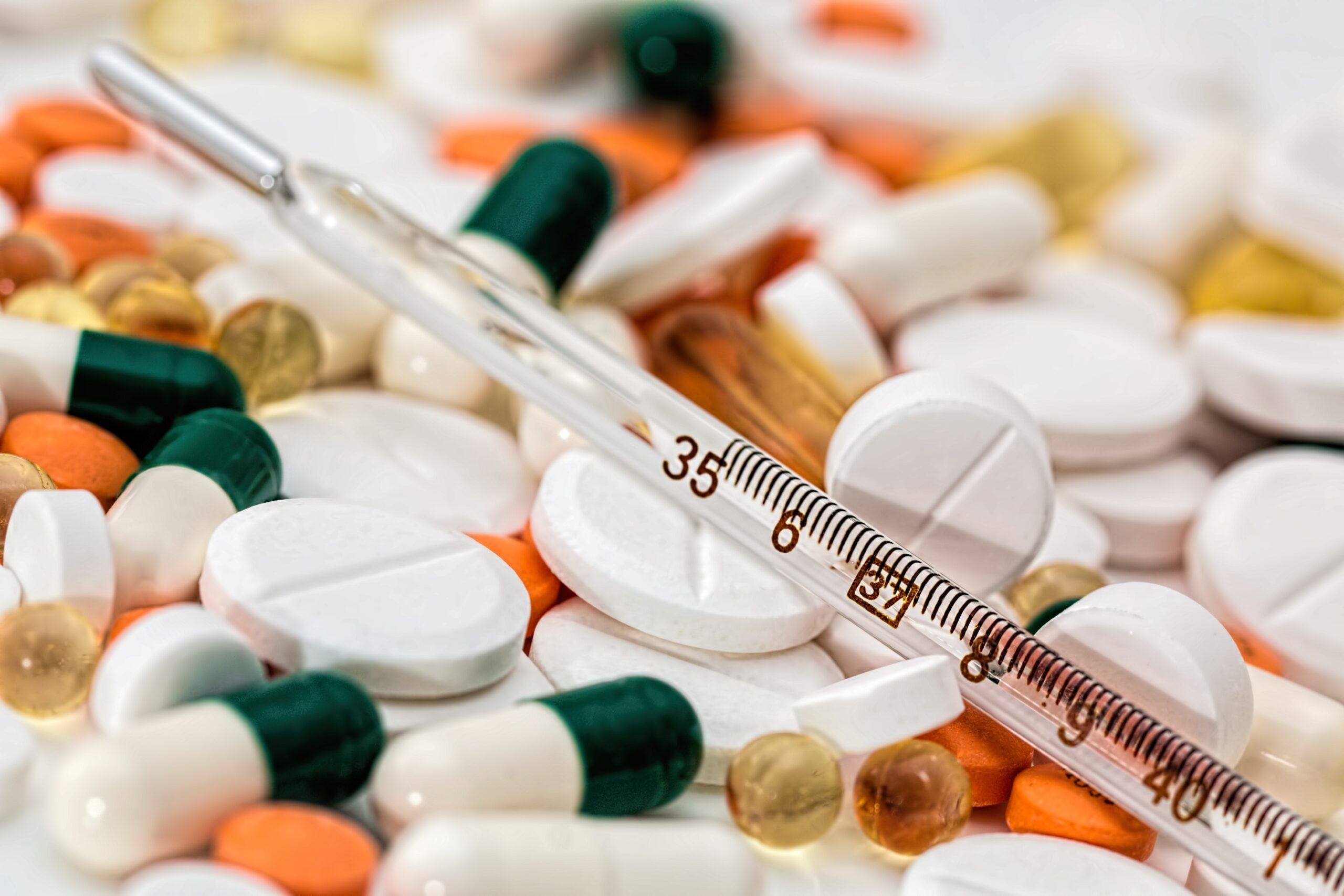
The report highlights that opioids, usually in combination with other substances, remain the leading cause of drug-induced deaths in Europe. The EUDA estimates that there were at least 7,600 overdose fatalities in the EU in 2024, mostly involving multiple substances. These drugs pose serious health dangers, especially novel substances with limited scientific and public understanding of the risks.
Illicit drugs, including cocaine and synthetic drugs as well as new psychoactive substances are widely available. New cannabis products continue to appear, while the variety of opioids and stimulants sold is on the rise.
At the same time, drug trafficking constitutes a major threat to the security in Europe. Organised crime networks are diversifying their trafficking routes and methods to evade detections, following intensified policing operations at major European ports. They exploit smaller ports, and are developing more sophisticated concealment methods.
The report highlights that the volume of cocaine intercepted in Europe decreased by more than 20% in 2024, down from 419 tonnes in 2023. However, the number of seizures rose to 97,000 (from 95,000 in 2023), suggesting that traffickers may be moving towards smaller, more fragmented shipments.
Drug-related intimidation and violence also remain a concern, including the exploitation and recruitment of vulnerable young people by criminal groups.
The Commission has stepped up its support Member States to respond to these challenges with a new EU Drugs Strategy and Action Plan against drug trafficking and new rules for monitoring and controlling drug precursors (2025). The Commission is also working with Member States, European Ports, industry associations and EU Agencies to counter drug trafficking in ports, in the context of the European Ports Alliance, and continues to work closely with partner countries to tackle drug production at its source and prevent trafficking routes from reaching the EU.
Background
The European Drug Report provides an evidence base to the Commission’s approach of prevention, treatment and security.
The EU Drugs Strategy and Action Plan against drug trafficking presented by the Commission in December 2025 set out a comprehensive EU response to the security, health, social and environmental challenges linked to the trafficking and use of illicit drugs. The Strategy sets out a comprehensive approach to support Member States in protecting public health and preventing drug related harm, strengthening prevention, treatment and reintegration, as well as security and crime prevention measures. The Action Plan complements the Strategy, with 19 priority actions focused on strengthening security, disrupting routes and business models of drug smugglers. They have been endorsed by the Council, in March and June 2026, respectively.
The EU Drugs Agency with its new, stronger mandate, plays a key role in supporting Member States by identifying new psychoactive substances, issuing rapid alerts, and assessing the risks posed by highly potent synthetic opioids. It also supports Member States with their prevention efforts and awareness-raising activities on the impact of drug use and drug trafficking.
For more information: European Commission
Publicaciones relacionadas:
 Commission presents new EU Drugs Strategy and Action Plan against drug trafficking
 Could we live without pain?
 Advances in the use of artificial intelligence for colorectal cancer screening
 The Commission establishes a working group to strengthen food safety controls on imports
 Commission invests €225 million to deliver next-generation influenza vaccines
Leave a Reply