• Skip to primary navigation
  • Skip to main content
  • Skip to primary sidebar
  • Skip to footer
  • Bluesky
  • Facebook
  • Instagram
  • Twitter
  • YouTube
CDE Almería – Centro de Documentación Europea – Universidad de Almería

CDE Almería - Centro de Documentación Europea - Universidad de Almería

Centro de Documentación Europea de la Universidad de Almería

  • HOME
  • WHAT´S ON
    • EU NEWS
    • Activities
    • EU Calls and Awards
    • Radio Program «Europe with You»
  • DOCUMENTATION
    • EU Media Collection
      • Web Space
      • MEDIATHEQUE REPOSITORY
  • Europe on the net
    • Institutions
    • EU Representation in Spain
    • European information network of Andalusia
  • ABOUT US
    • Presentation
    • Services
    • People
    • Contact
  • Spanish
  • English

Circular economy: new EU rules on right to repair

Inicio » EU News » Environmental Affairs » Circular economy: new EU rules on right to repair

30 de May de 2024

The Council has today adopted a directive promoting the repair of broken or defective goods, also known as the right-to-repair (or R2R) directive. This legislation will make it easier for consumers to seek repair instead of replacement and repair services will become more accessible, transparent and attractive. The adoption of the directive is the last step in the legislative decision-making process.
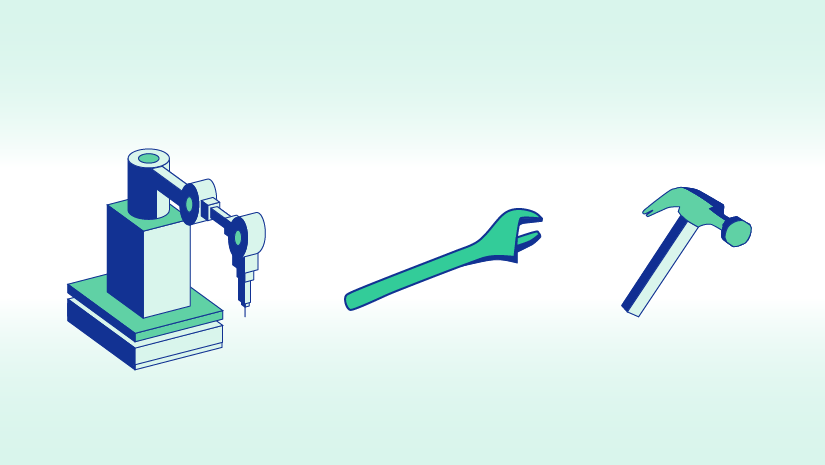
Repair made easier

The directive adopted today creates a set of tools and incentives to make repair more attractive for consumers. These include requiring manufacturers to repair products which are technically repairable under EU law; the availability of a voluntary repair form with clear information about the repair process (deadlines, prices, etc.); a European online platform where consumers can easily find repair services and the extension of the legal guarantee with 12 months if consumers choose repair instead of replacement.

The list of repairable products can be increased in the future: whenever the Commission introduces new reparability requirements for certain products, these will be added to the R2R directive.
Europe Advances Towards a Circular Economy: Strategies to Reduce Textile and Food Waste


Next steps

Following the Council’s approval today, the legislative act has been adopted. After being signed by the President of the European Parliament and the President of the Council, the directive will be published in the Official Journal of the European Union and will enter into force on the 20th day following its publication. Member states will have 24 months from the entry into force to transpose the directive into national law.

Background

This proposal was presented by the Commission on 22 March 2023 and forms part of the New Consumer Agenda and the Circular Economy Action Plan. It complements other recent EU legislation to promote sustainable consumption, such as the ecodesign for sustainable products regulation (which will promote the production of repairable products) and the directive on empowering consumers for the green transition (which will enable consumers to make better-informed purchasing decisions at the point of sale).

More information: Council of the EU

Publicaciones relacionadas:
EU-funded project develops robots capable of detecting damage and repairing themselves medio ambiente , economía circular , pacto verdeA New Circular Economy Action Plan for a Cleaner and More Competitive Europe Right to repair: MEPs want more durable and more easily repairable products Council adopts regulation on gas storage Council agrees on higher targets for renewables and energy efficiency




Environmental Affairs,  EU News circular economy,  Council,  repair,  right to repair

“This is a space for debate. All comments, for or against publication, that are respectful and do not contain expressions that are discriminatory, defamatory or contrary to current legislation will be published”.

Reader Interactions

Leave a Reply Cancel reply

Your email address will not be published. Required fields are marked *

This site uses Akismet to reduce spam. Learn how your comment data is processed.

Primary Sidebar

Footer

  • CDE Almería
  • Biblioteca Nicolás Salmerón – Universidad de Almería
  • Planta: 1ª, Despacho: 1.05.0B.
  • Ctra. Sacramento s/n. Almería (Spain)
  • Teléfono: (+34) 950 015266

HOME
NEWS
DOCUMENTATION
EUROPE ON THE NET
ABOUT US

  • LEGAL NOTICE
  • PRIVACY POLICY
  • COOKIE POLICY
  • ACCESSIBILITY
  • SITEMAP

Copyright © 2026 CDE Almería · Creative Commons LicenseThis work is licensed under a Creative Commons Attribution-NonCommercial 4.0 International License.

<p>El Centro de Documentación Europea de la Universidad de Almería utiliza cookies propias y de terceros para facilitar al usuario la navegación en su página Web y el acceso a los distintos contenidos alojados en la misma. Asimismo, se utilizan cookies analíticas de terceros para medir la interacción de los usuarios con el sitio Web. Pinche el siguiente enlace si desea información sobre el uso de cookies y como deshabilitarlas. </p>

Politica de privacidad

El Centro de Documentación Europea de la Universidad de Almería utiliza cookies propias y de terceros para facilitar al usuario la navegación en su página Web y el acceso a los distintos contenidos alojados en la misma. Asimismo, se utilizan cookies analíticas de terceros para medir la interacción de los usuarios con el sitio Web. Pinche el siguiente enlace si desea información sobre el uso de cookies y como deshabilitarlas. <a href="/politica-de-cookies" rel="noopener" target="_blank">Más información</a>

Cookies estrictamente necesarias

Las cookies estrictamente necesarias tiene que activarse siempre para que podamos guardar tus preferencias de ajustes de cookies.

Básicamente la web no funcionara bien si no las activas.

Estas cookies son:

  • Comprobación de inicio de sesión.
  • Cookies de seguridad.
  • Aceptación/rechazo previo de cookies.
Cookies de terceros

Esta web utiliza Google Analytics, Google Tag Manager y Yandex Metrika para recopilar información anónima tal como el número de visitantes del sitio, o las páginas más populares.

Dejar estas cookies activas nos permite mejorar nuestra web.

Política de cookies

Pinche el siguiente enlace si desea información sobre el uso de cookies y como deshabilitarlas. Más información