• Skip to primary navigation
  • Skip to main content
  • Skip to primary sidebar
  • Skip to footer
  • Bluesky
  • Facebook
  • Instagram
  • Twitter
  • YouTube
CDE Almería – Centro de Documentación Europea – Universidad de Almería

CDE Almería - Centro de Documentación Europea - Universidad de Almería

Centro de Documentación Europea de la Universidad de Almería

  • HOME
  • WHAT´S ON
    • EU NEWS
    • Activities
    • EU Calls and Awards
    • Radio Program «Europe with You»
  • DOCUMENTATION
    • EU Media Collection
      • Web Space
      • MEDIATHEQUE REPOSITORY
  • Europe on the net
    • Institutions
    • EU Representation in Spain
    • European information network of Andalusia
  • ABOUT US
    • Presentation
    • Services
    • People
    • Contact
  • Spanish
  • English

Europe Advances Towards a Circular Economy: Strategies to Reduce Textile and Food Waste

Inicio » EU News » Environmental Affairs » Europe Advances Towards a Circular Economy: Strategies to Reduce Textile and Food Waste

14 de March de 2024

Europe is at a crucial moment in transitioning towards a circular economy, seeking innovative solutions to reduce the environmental impact of textile and food waste. In a recent adoption of proposals by the European Parliament, stricter measures have been established to address these challenges, marking a significant step forward in the fight against waste and overproduction on the continent.
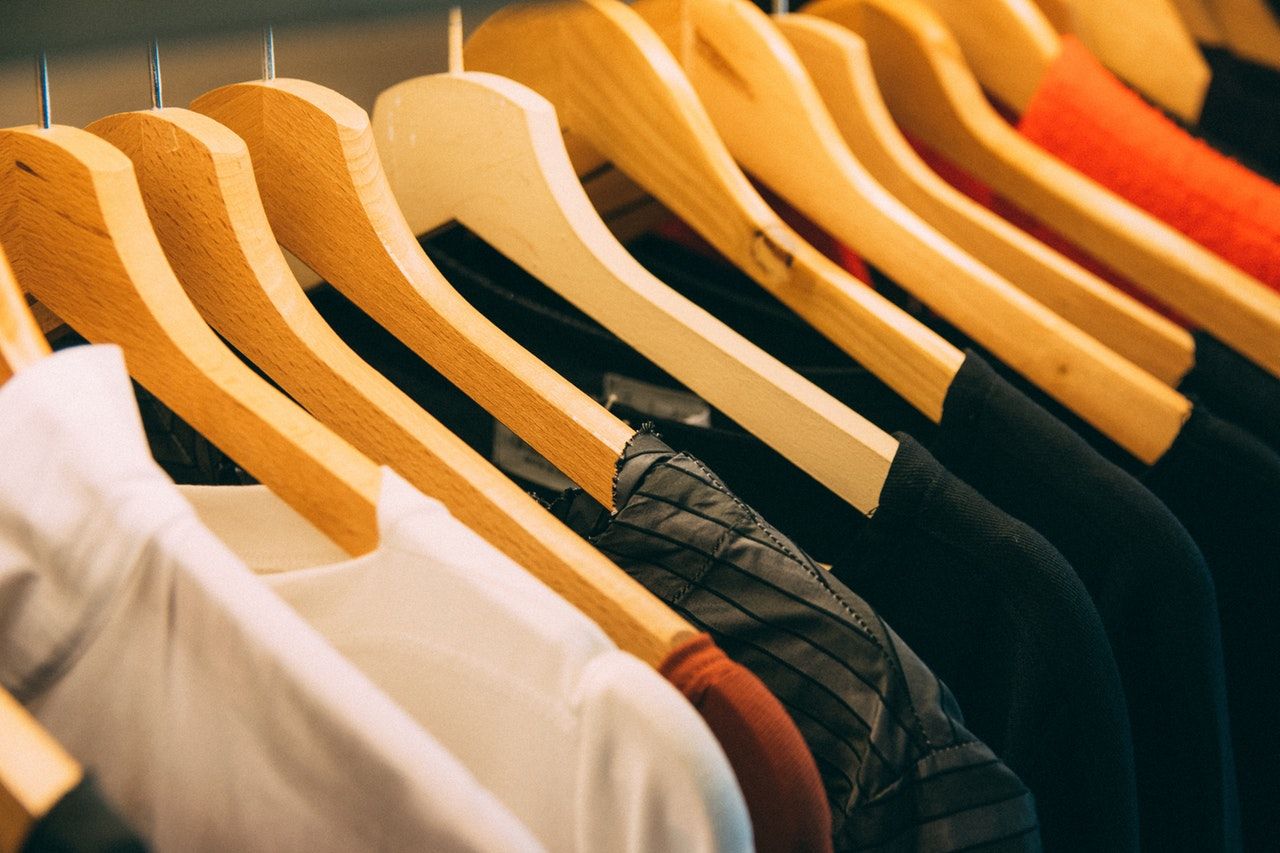
Reducing Food Waste: A Firm Commitment

The European Parliament has proposed ambitious objectives for reducing food waste, demanding member countries achieve significant reductions by December 31, 2030. A minimum of 20% reduction in waste from food production and processing is sought, with a particular focus on businesses, restaurants, food services, and households, aiming for a 40% per capita decrease. Furthermore, the possibility of introducing even higher objectives for 2035 is considered, demonstrating the EU’s commitment to food sustainability and waste reduction.

Combatting Textile Waste: New Regulations

In the textile sector, the European Parliament has voted in favor of implementing extended producer responsibility schemes, obliging manufacturers to cover the costs of collecting, organizing, and recycling textile waste. This measure aims to address the growing issue of discarded clothing and accessories, amounting to millions of tons annually in Europe. Products such as clothing, footwear, blankets, curtains, and carpets are included, expanding responsibility to online sales and promoting the inclusion of non-domestic products in recycling strategies.
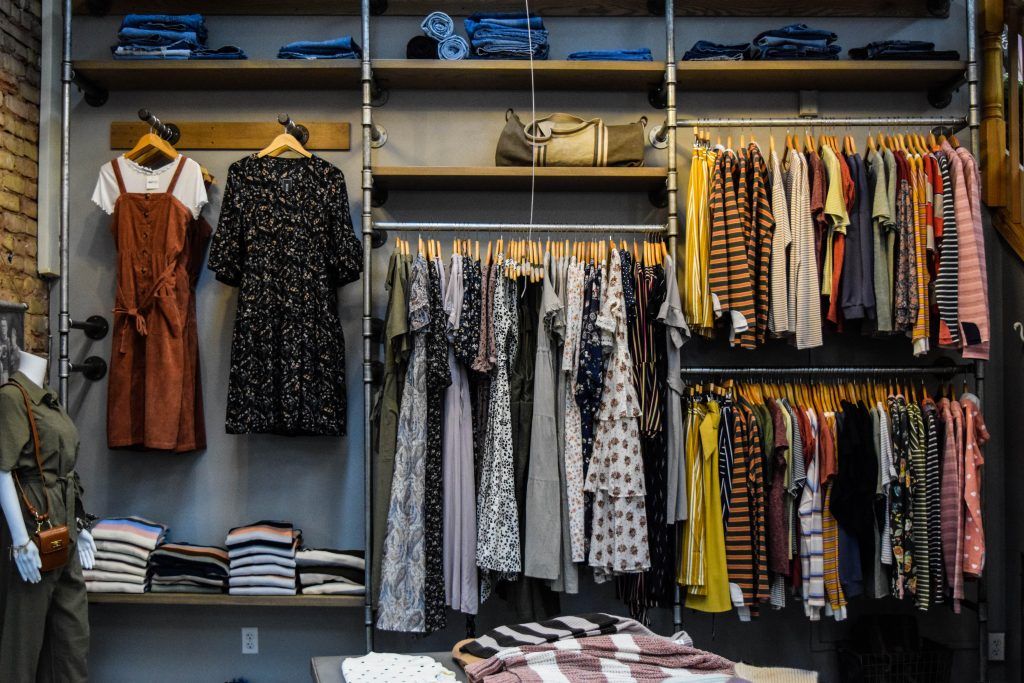
The Commission is proposing rules to make producers responsible for the full lifecycle of textile products


Textile Destruction: A Persistent Challenge

According to a report by the European Environment Agency (EEA), between 4% and 9% of all textile products in the European market are destroyed without being used. This practice not only represents an economic loss but also significantly contributes to greenhouse gas emissions. Faced with this challenge, the EU has agreed to ban the destruction of unsold garments, promoting circular business models and policies addressing both overproduction and destruction in the textile industry.

Towards a Sustainable Future

These initiatives from the European Parliament and the EEA underscore the urgency and determination of the EU on its path towards a circular economy. The implementation of these measures will not only contribute to reducing textile and food waste but also promote more sustainable consumption and production practices. As Europe progresses with these initiatives, a significant decrease in environmental impact is expected, setting an example in the global fight against climate change and waste.

Source: European Parliament

European Environment Agency

Publicaciones relacionadas:

medio ambiente , economía circular , pacto verdeA New Circular Economy Action Plan for a Cleaner and More Competitive Europe GEOTHERMICA, the new European initiative BSO – Tracking energy in our buildings La Comisión Europea aprueba la medida española y portuguesa para reducir el precio de la electricidadEnergy security in the EU New R&T project to improve resilience of cold weather operations

Environmental Affairs,  EU News Circular Economy in Europe,  EU Sustainability Strategies,  Food Waste Reduction,  Textile Waste Regulations,  Waste Reduction Efforts.

“This is a space for debate. All comments, for or against publication, that are respectful and do not contain expressions that are discriminatory, defamatory or contrary to current legislation will be published”.

Reader Interactions

Leave a Reply Cancel reply

Your email address will not be published. Required fields are marked *

This site uses Akismet to reduce spam. Learn how your comment data is processed.

Primary Sidebar

Footer

  • CDE Almería
  • Biblioteca Nicolás Salmerón – Universidad de Almería
  • Planta: 1ª, Despacho: 1.05.0B.
  • Ctra. Sacramento s/n. Almería (Spain)
  • Teléfono: (+34) 950 015266

HOME
NEWS
DOCUMENTATION
EUROPE ON THE NET
ABOUT US

  • LEGAL NOTICE
  • PRIVACY POLICY
  • COOKIE POLICY
  • ACCESSIBILITY
  • SITEMAP

Copyright © 2026 CDE Almería · Creative Commons LicenseThis work is licensed under a Creative Commons Attribution-NonCommercial 4.0 International License.

<p>El Centro de Documentación Europea de la Universidad de Almería utiliza cookies propias y de terceros para facilitar al usuario la navegación en su página Web y el acceso a los distintos contenidos alojados en la misma. Asimismo, se utilizan cookies analíticas de terceros para medir la interacción de los usuarios con el sitio Web. Pinche el siguiente enlace si desea información sobre el uso de cookies y como deshabilitarlas. </p>

Politica de privacidad

El Centro de Documentación Europea de la Universidad de Almería utiliza cookies propias y de terceros para facilitar al usuario la navegación en su página Web y el acceso a los distintos contenidos alojados en la misma. Asimismo, se utilizan cookies analíticas de terceros para medir la interacción de los usuarios con el sitio Web. Pinche el siguiente enlace si desea información sobre el uso de cookies y como deshabilitarlas. <a href="/politica-de-cookies" rel="noopener" target="_blank">Más información</a>

Cookies estrictamente necesarias

Las cookies estrictamente necesarias tiene que activarse siempre para que podamos guardar tus preferencias de ajustes de cookies.

Básicamente la web no funcionara bien si no las activas.

Estas cookies son:

  • Comprobación de inicio de sesión.
  • Cookies de seguridad.
  • Aceptación/rechazo previo de cookies.
Cookies de terceros

Esta web utiliza Google Analytics, Google Tag Manager y Yandex Metrika para recopilar información anónima tal como el número de visitantes del sitio, o las páginas más populares.

Dejar estas cookies activas nos permite mejorar nuestra web.

Política de cookies

Pinche el siguiente enlace si desea información sobre el uso de cookies y como deshabilitarlas. Más información