
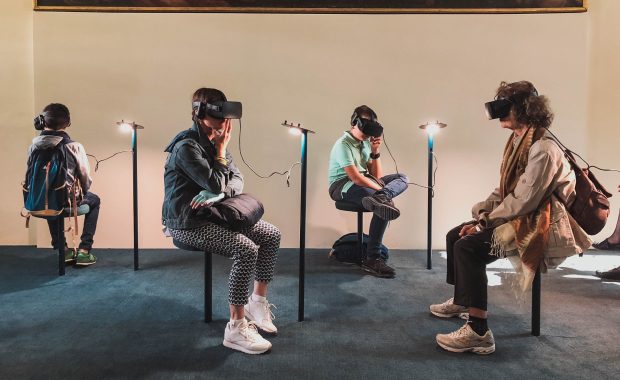
The Commission has adopted a new strategy on Web 4.0 and virtual worlds to steer the next technological transition and ensure an open, secure, trustworthy, fair and inclusive digital environment for EU citizens, businesses and public administrations. The internet is evolving at an extremely fast pace. Beyond the currently developing third generation of the internet, Web […]
Read More
New Zealand joins Horizon Europe Research and Innovation Programme
The Commission and New Zealand signed the association agreement on the participation of New Zealand to Horizon Europe, the EU’s research, and innovation programme. This marks the first association with a close partner that is not geographically close to Europe. It marks a completely new approach whereby the EU is strengthening even more its ties […]
Read More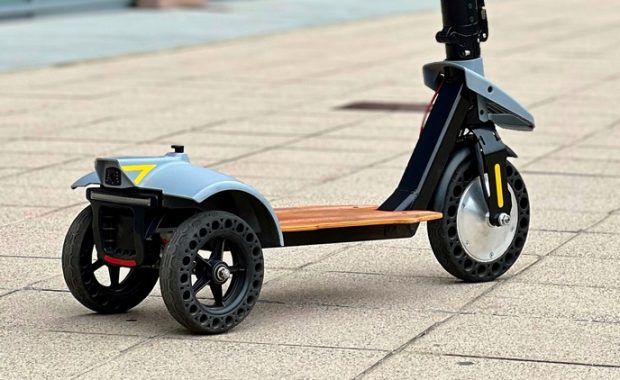
An EU-funded project tested and finalised a safer and modular e-kick scooter for personal urban and suburban mobility
A resource-efficient, climate-friendly, environmentally sustainable, safe and seamless transport system is a key objective of the EU. However, there are several challenges facing the attainment of sustainable mobility, one of which involves the use of different and optimally combined transport modes in a seamless way. One solution for greater sustainability in smart city transport systems […]
Read More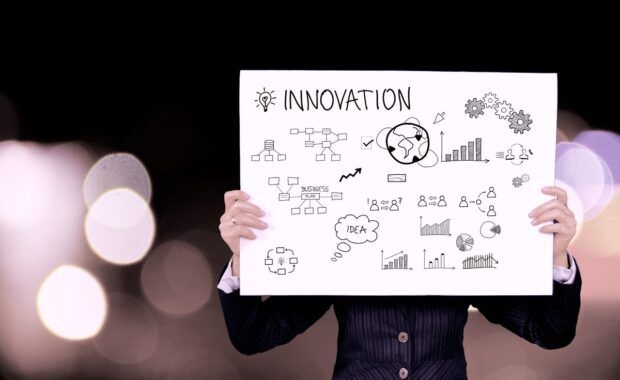
EU publishes European Innovation Scoreboard 2023
The 2023 edition of the European Innovation Scoreboard and the bi-yearly edition of the Regional Innovation Scoreboard published today showcase that, despite the recent crises, EU Member States and their regions keep improving their innovation performance. The European Innovation Scoreboard 2023 highlights a substantial improvement in the innovation performance of approximately 8.5% since 2016, confirming the EU’s […]
Read More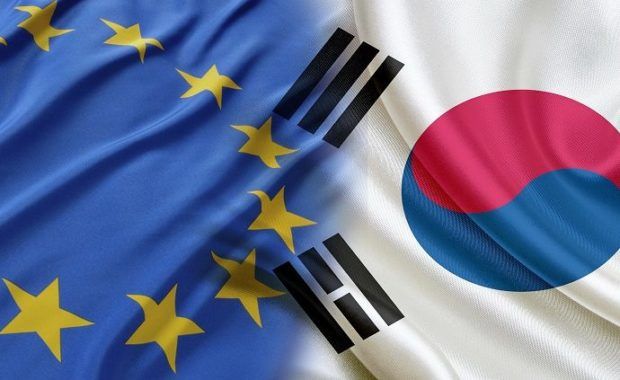
EU and Republic of Korea Digital Partnership
The European Union and the Republic of Korea held the first Digital Partnership council in Seoul, Republic of Korea. The council was co-chaired by Commissioner for the Internal Market, Thierry Breton, and by Korean Minister for Science and ICT, Mr Lee Jong-Ho. On the occasion of the ministerial meeting, the EU and the Republic of […]
Read More
EU AI Act will be the world’s first regulation on artificial intelligence
As part of its digital strategy, the EU wants to regulate artificial intelligence (AI) to ensure better conditions for the development and use of this innovative technology. AI can create many benefits, such as better healthcare; safer and cleaner transport; more efficient manufacturing; and cheaper and more sustainable energy. In April 2021, the European Commission […]
Read More
EU-funded project harnesses potential of data to improve water management
An EU-funded project builds stronger links between the physical and digital worlds to improve water management. Europe’s waterways are under immense pressures, ranging from agricultural and industrial activities to the challenges of increased urbanisation. Digital technologies are acknowledged for their ability to help improve water management. However, a lack of business cases and tangible evidence […]
Read More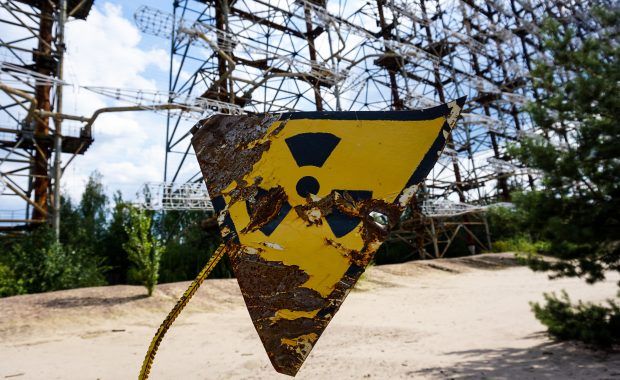
Do you know what happens to the body if it is exposed to radioactive materials?
The chances of being involved in a nuclear accident are slim. However, if it does happen, expert Joaquín Silvestre-Albero explains why a coconut can save your life. Radioactivity – which describes the energetic disintegration of atoms – is a constant presence in our lives. There are radioactive gases in the air we breathe, and even […]
Read More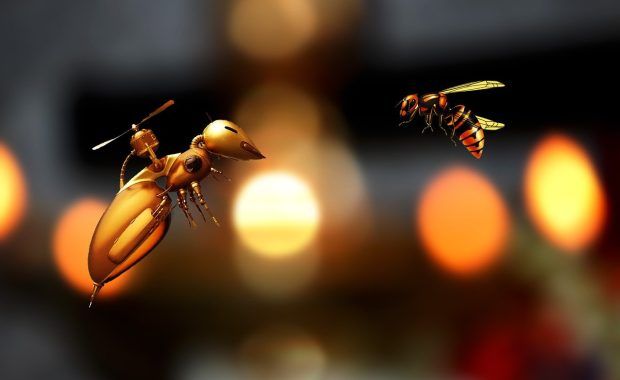
EU-funded project develops robotic system to save bees
A new temperature-modulating robotic system reveals previously unknown collective honeybee behaviour, opening the door to new possibilities for helping bees survive in a changing climate. The EU-funded HIVEOPOLIS project has developed a robotic system that can interact with a honeybee colony. Built into the frame of a standard hive, the unobtrusive system measures and influences […]
Read More