
The Commission has adopted a new strategy on Web 4.0 and virtual worlds to steer the next technological transition and ensure an open, secure, trustworthy, fair and inclusive digital environment for EU citizens, businesses and public administrations.
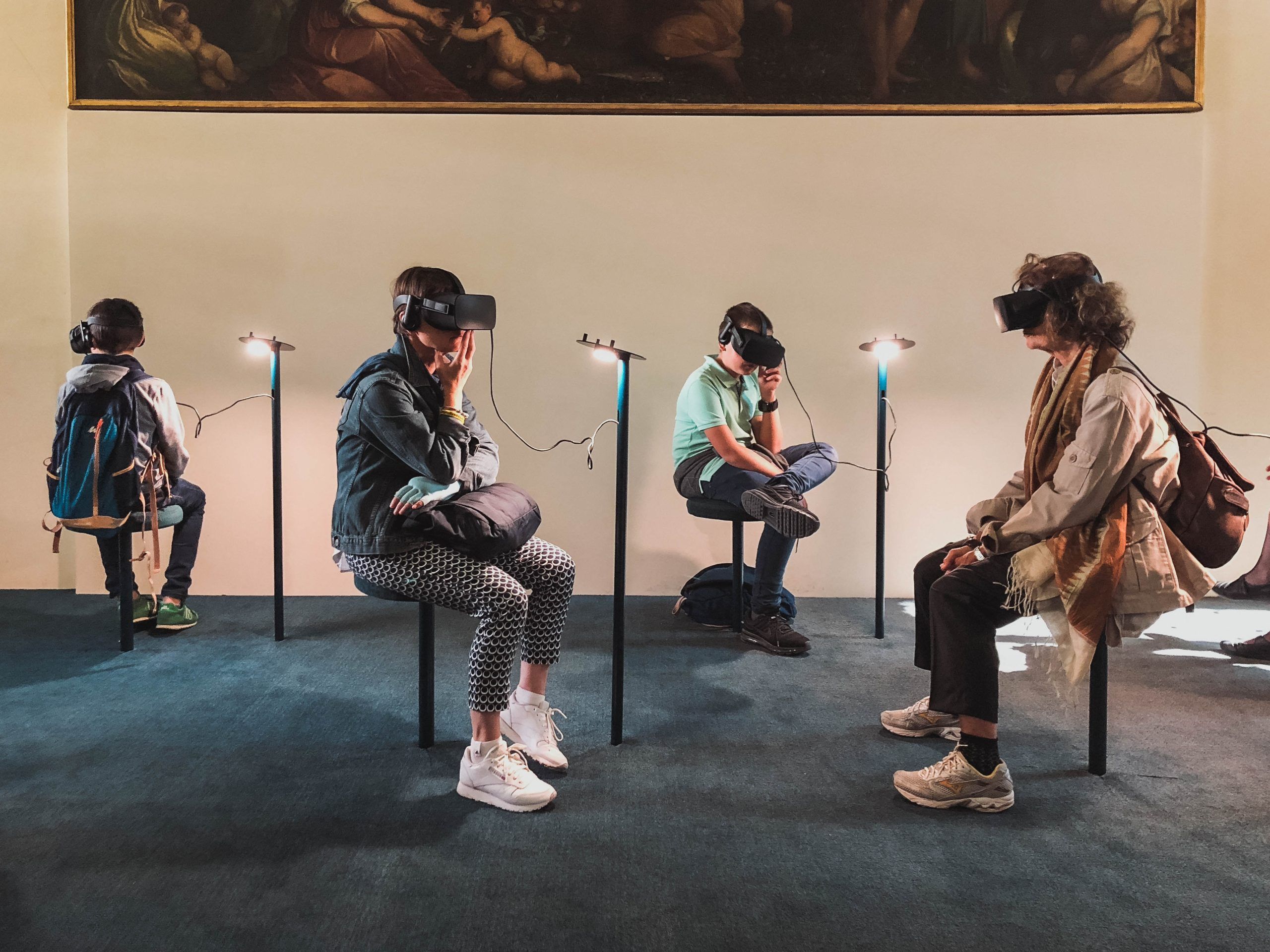
The internet is evolving at an extremely fast pace. Beyond the currently developing third generation of the internet, Web 3.0, whose main features are openness, decentralisation, and user full empowerment, the next generation, Web 4.0, will allow an integration between digital and real objects and environments, and enhanced interactions between humans and machines.
The outlook of the EU economy beyond 2030, published in March, highlights digitalisation as one of its key drivers and Web 4.0 as a major technological transition bringing a seamlessly interconnected, intelligent and immersive world. The global virtual worlds market size is estimated to grow from €27 billion in 2022 to over €800 billion by 2030.
Virtual worlds will impact the way people live together, bringing both opportunities and risks that need to be addressed. The new strategy aims for a Web 4.0 and virtual worlds reflecting EU values and principles, where people’s rights fully apply and where European businesses can thrive.
Key strategy pillars
The strategy is in line with the 2030 objectives of the Digital Decade policy programme and three of its key pillars of digitalisation: skills, business and public services. The fourth pillar, infrastructures, is addressed by the Commission’s connectivity package and its broader efforts on computing, cloud and edge capacities. It also addresses the openness and global governance of virtual worlds and Web 4.0 as a specific strands of action.

MEPs adopt legislation to boost EU chips industry
|
- Empowering people and reinforcing skills to foster awareness, access to trustworthy information and build a talent pool of virtual world specialists. By the end of 2023, the Commission will promote the guiding principles for virtual worlds, put forward by the Citizens’ Panel; and will develop guidance for the general public thanks to a ‘Citizen toolbox’ by the first quarter of 2024. As specialists on virtual worlds are essential, the Commission will work with Member States to set up a talent pipeline and will support skills development, including for women and girls, through projects funded by the Digital Europe Programme, and for creators of digital content through the Creative Europe programme.
- Business: supporting a European Web 4.0 industrial ecosystem to scale up excellence and address fragmentation. Currently, there is no EU ecosystem bringing together the different players of the value chain of virtual worlds and Web 4.0. The Commission has proposed a candidate Partnership on Virtual Worlds under Horizon Europe, possibly starting 2025, to foster excellence in research and develop an industrial and technological roadmap for virtual worlds. To foster innovation, the Commission will also support EU creators and media companies to test new creation tools, bring together developers and industrial users, and work with Member States to develop regulatory sandboxes for Web 4.0 and virtual worlds.
- Government: supporting societal progress and virtual public services to leverage the opportunities virtual worlds can offer. The EU is already investing in major initiatives, such as Destination Earth (DestinE), Local Digital Twins for smart communities, or the European Digital Twin of the Ocean to allow researchers to advance science, industries to develop precision applications and public authorities to make informed public-policy decisions. The Commission is launching two new public flagships: “CitiVerse”, an immersive urban environment that can be used for city planning and management; and a European Virtual Human Twin, which will replicate the human body to support clinical decisions and personal treatment.
- Shaping global standards for open and interoperable virtual worlds and Web 4.0, ensuring that they will not be dominated by a few big players. The Commission will engage with internet governance stakeholders around the world and will promote Web 4.0 standards in line with the EU’s vision and values.
More information: European Commission
Publicaciones relacionadas:
 Commission boosts Horizon Europe budget to support green, health and digital innovations and displaced researchers of Ukraine
 Commission internal digital transformation
 New world-class European supercomputer opens in Italy
 MEPs back creation of an EU-wide digital purse
 European Parliament calls for new rules for fair access and use of industrial data
Leave a Reply