• Skip to primary navigation
  • Skip to main content
  • Skip to primary sidebar
  • Skip to footer
  • Bluesky
  • Facebook
  • Instagram
  • Twitter
  • YouTube
CDE Almería – Centro de Documentación Europea – Universidad de Almería

CDE Almería - Centro de Documentación Europea - Universidad de Almería

Centro de Documentación Europea de la Universidad de Almería

  • HOME
  • WHAT´S ON
    • EU NEWS
    • Activities
    • EU Calls and Awards
    • Radio Program «Europe with You»
  • DOCUMENTATION
    • EU Media Collection
      • Web Space
      • MEDIATHEQUE REPOSITORY
  • Europe on the net
    • Institutions
    • EU Representation in Spain
    • European information network of Andalusia
  • ABOUT US
    • Presentation
    • Services
    • People
    • Contact
  • Spanish
  • English

Do you know what happens to the body if it is exposed to radioactive materials?

Inicio » EU News » Research and Innovation » Do you know what happens to the body if it is exposed to radioactive materials?

30 de May de 2023

The chances of being involved in a nuclear accident are slim. However, if it does happen, expert Joaquín Silvestre-Albero explains why a coconut can save your life.
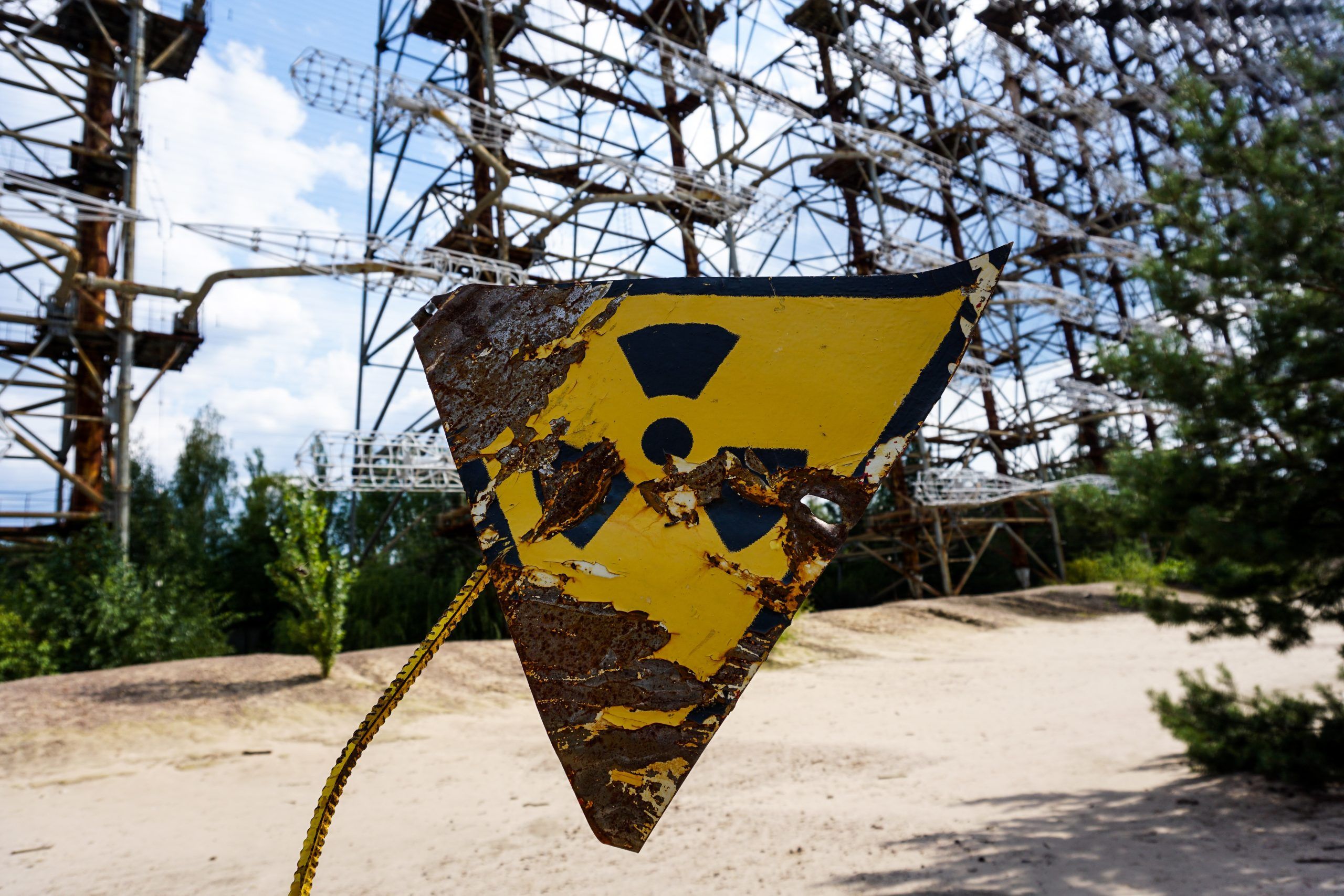
Radioactivity – which describes the energetic disintegration of atoms – is a constant presence in our lives. There are radioactive gases in the air we breathe, and even our own bodies contain naturally occurring radioactive elements.

“The reality is that your body is exposed to radiation daily,” notes Silvestre-Albero, a professor of Inorganic Chemistry at the University of Alicante in Spain. “In usual doses, this is not dangerous.”

Dangers of high doses

However, lengthy exposure to radioactive material (perhaps through a course of cancer therapy) or high doses caused by a nuclear power plant accident can cause what is known as acute radiation syndrome (ARS).

This happens when extensive radiation ionises molecules and breaks chemical bonds, causing malfunctions in the workings of our cells. This can also create what are known as reactive radicals, errant chemicals which damage biological molecules and disrupt physiological processes.

The effects of ARS – also known as radiation sickness – can be catastrophic. Symptoms can range from a loss of appetite, fatigue and nausea to serious conditions such as seizures, coma and even cancer.

The size of the dosage is what matters when assessing risk. For example, the Chernobyl nuclear power plant disaster of 1986 – which resulted in airborne radioactive contaminants being released and blown across large parts of Europe – led to numerous cases of ARS. “Even residents in Kiev were exposed to large doses of radiation,” says Silvestre-Albero.
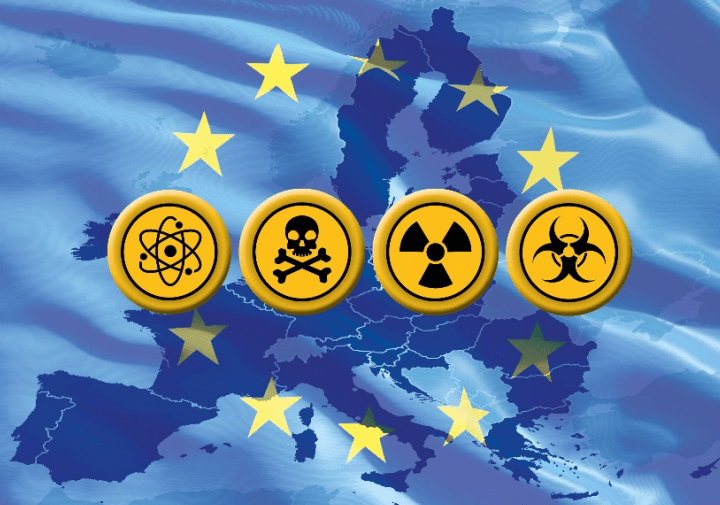
European Union Chemical, Biological, Radiological and Nuclear (CBRN) Risk Mitigation Centres of Excellence Initiative

New approaches to radiation sickness

This led Ukrainian scientists to think differently about radiation sickness. They recognised that acute radiation gave rise to molecules in the body that caused cancers and other illnesses. Addressing these, they thought, could tackle the problem. This led to the NanoMed project, which was funded by the Marie Skłodowska-Curie Actions programme and managed by Silvestre-Albero. “The idea, very much pioneered by our Ukrainian partners in the project, was to find a way of filtering blood using a biocompatible material,” he adds.

The project used activated carbon and pectin – extracted from biomass such as coconut shells and white cabbage – in the form of a tablet, to absorb and remove toxic heavy metals and radicals from the bloodstream. “The idea is that the carbon ‘traps’ these toxins in your body before they can cause damage,” explains Silvestre-Albero.

The Russian invasion of Ukraine unfortunately halted the progress made in the NanoMed project. Nonetheless, Silvestre-Albero is still in touch with his Ukrainian colleagues – many of whom have had to flee the country – and is clear about where this research needs to go next.

“You can’t take activated carbon tablets daily, as this will ‘trap’ positive things such as vitamins and nutrients,” he says. “So, given that we are exposed to radiation daily, the key question is this: what is the minimal radiation dose needed to produce these harmful molecules in the body? If we knew this, then we might be able to know when intervention with a tablet such as this might be useful.”

Source: CORDIS

Publicaciones relacionadas:

Nuevas normas de itinerancia para viajeros de la UENew Roaming rules for travellers in the EU inteligencia artificialCouncil approves Data Governance Act Open Innovation Test Beds to accelerate European innovation EU-funded project develops robotic system to save bees medio ambiente /economía circularNew plan to support green and digital transition and EU recovery

EU News,  Research and Innovation ARS,  cancers,  Carbón,  Chemistry,  CORDIS,  EU,  European Union,  NanoMed,  radiation,  radioactivity,  ukraine,  Unión Europea

“This is a space for debate. All comments, for or against publication, that are respectful and do not contain expressions that are discriminatory, defamatory or contrary to current legislation will be published”.

Reader Interactions

Leave a Reply Cancel reply

Your email address will not be published. Required fields are marked *

This site uses Akismet to reduce spam. Learn how your comment data is processed.

Primary Sidebar

Footer

  • CDE Almería
  • Biblioteca Nicolás Salmerón – Universidad de Almería
  • Planta: 1ª, Despacho: 1.05.0B.
  • Ctra. Sacramento s/n. Almería (Spain)
  • Teléfono: (+34) 950 015266

HOME
NEWS
DOCUMENTATION
EUROPE ON THE NET
ABOUT US

  • LEGAL NOTICE
  • PRIVACY POLICY
  • COOKIE POLICY
  • ACCESSIBILITY
  • SITEMAP

Copyright © 2026 CDE Almería · Creative Commons LicenseThis work is licensed under a Creative Commons Attribution-NonCommercial 4.0 International License.

<p>El Centro de Documentación Europea de la Universidad de Almería utiliza cookies propias y de terceros para facilitar al usuario la navegación en su página Web y el acceso a los distintos contenidos alojados en la misma. Asimismo, se utilizan cookies analíticas de terceros para medir la interacción de los usuarios con el sitio Web. Pinche el siguiente enlace si desea información sobre el uso de cookies y como deshabilitarlas. </p>

Politica de privacidad

El Centro de Documentación Europea de la Universidad de Almería utiliza cookies propias y de terceros para facilitar al usuario la navegación en su página Web y el acceso a los distintos contenidos alojados en la misma. Asimismo, se utilizan cookies analíticas de terceros para medir la interacción de los usuarios con el sitio Web. Pinche el siguiente enlace si desea información sobre el uso de cookies y como deshabilitarlas. <a href="/politica-de-cookies" rel="noopener" target="_blank">Más información</a>

Cookies estrictamente necesarias

Las cookies estrictamente necesarias tiene que activarse siempre para que podamos guardar tus preferencias de ajustes de cookies.

Básicamente la web no funcionara bien si no las activas.

Estas cookies son:

  • Comprobación de inicio de sesión.
  • Cookies de seguridad.
  • Aceptación/rechazo previo de cookies.
Cookies de terceros

Esta web utiliza Google Analytics, Google Tag Manager y Yandex Metrika para recopilar información anónima tal como el número de visitantes del sitio, o las páginas más populares.

Dejar estas cookies activas nos permite mejorar nuestra web.

Política de cookies

Pinche el siguiente enlace si desea información sobre el uso de cookies y como deshabilitarlas. Más información