
On 1 January 2026, Bulgaria have adopted the euro as its currency, marking an important milestone for the country, for the history of the euro, and for the EU as a whole. This follows a period of intensive preparation and effort by Bulgaria to meet all the necessary requirements.
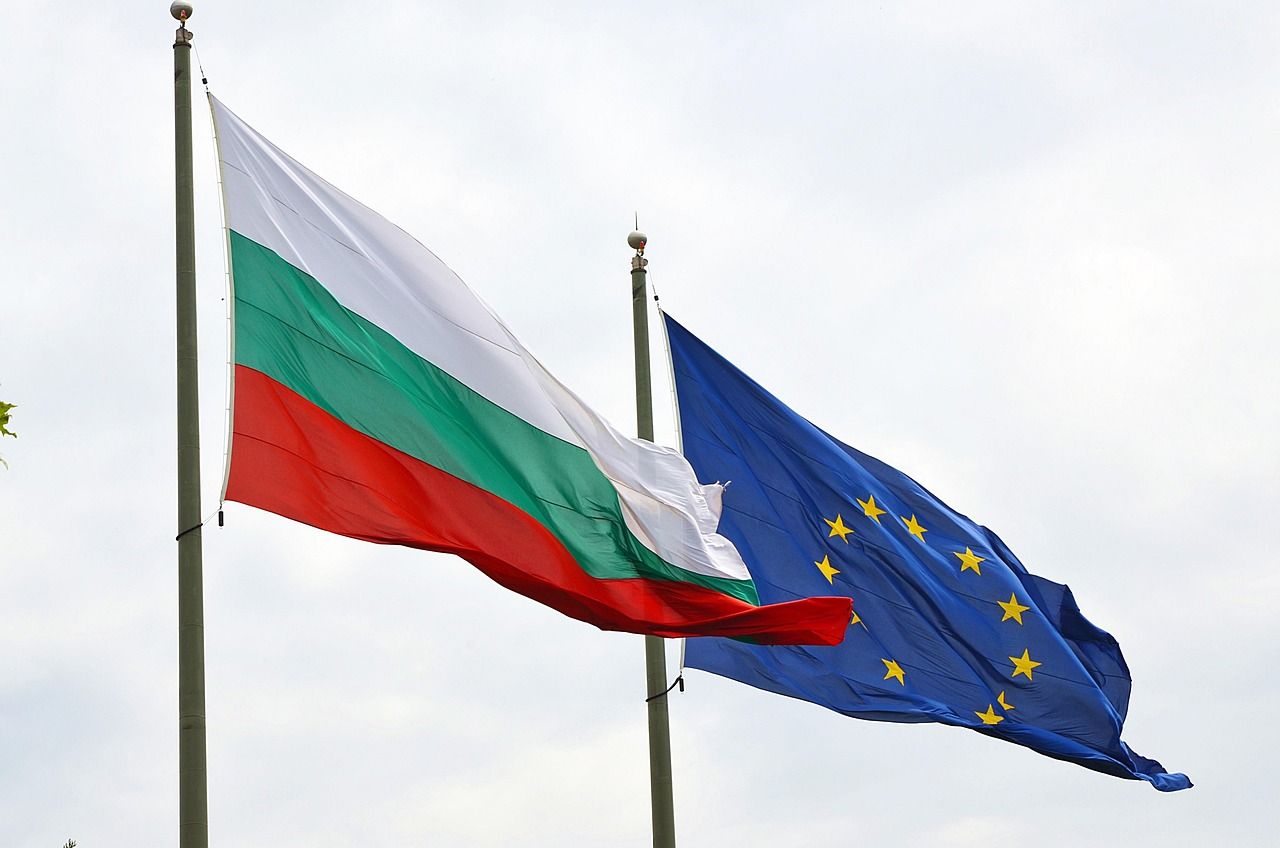
The euro will deliver practical benefits to Bulgarian citizens and businesses. It will make travelling and living abroad easier, boost the transparency and competitiveness of markets, and facilitate trade. Euro banknotes and coins will also become a tangible symbol for all Bulgarians of the freedom, convenience and opportunities that the EU makes possible for its citizens.
The Commission has fully supported Bulgaria in the process of joining the euro. With Bulgaria’s accession, 21 EU Member States and more than 357 million EU citizens will share the EU’s common currency. Public support for the euro in the EU and euro area remains very strong, with broad majorities of EU citizens believing the euro is a good thing for the EU as a whole, and for their own country, as shown by the latest Eurobarometer.
Ursula von der Leyen, President of the European Commission: “Bulgaria joins the euro area, one of the European Union’s greatest achievements. This milestone reflects years of hard work and commitment, overcoming challenges. The euro will bring benefits for the Bulgarian people making payments and travel easier. It will bring new opportunities for Bulgarian businesses, allowing them to seize better the advantages of our common single market. It will further strengthen Bulgaria’s voice in Europe. This step is good for Bulgaria, and it strengthens Europe as a whole. It makes our economy more resilient and competitive globally. Congratulations, Bulgaria! You can be proud of what you achieved.”
Introducing euro cash
From 1 January 2026, the euro will gradually replace the lev as Bulgaria’s currency. In line with a consistent record of exchange-rate stability, the lev will be exchanged at a conversion rate of 1.95583 lev per €1. The two currencies will be used alongside each other for a period of one month. When payments are made in lev, change will be given in euro. This will allow for a progressive withdrawal of the lev from circulation.
The dual display of prices in lev and euro became compulsory on 8 August 2025 and will apply until 8 August 2026. In order to protect consumers and address their concerns about unjustified price increases during the changeover period, Bulgaria relies on the strict application of consumer protection law and information campaigns. The prices of 101 frequently purchased products have been monitored daily and published on a dedicated website during the changeover by the Consumer Protection Commission, to provide information to the public and an incentive to businesses not to unjustifiably increase prices during the changeover.
Commercial banks have received euro banknotes and coins in advance from the Bulgarian National Bank (BNB) and have in turn supplied euro cash to shops and other businesses. Lev banknotes and coins can be exchanged at the BNB, commercial banks, and any post office located in rural areas where there is no commercial bank. Exchanges at the BNB are free of charge and unlimited in time. Exchanges at banks and the post offices are free of charge for the first six months. Banks and post offices may charge for the exchange as of 1 July 2026.
As of 1 January, 96% of automatic teller machines (ATMs) in Bulgaria will be distributing euro banknotes, and the remainder will follow as soon as possible (within two weeks).
Background
In its 2025 Convergence Report, the Commission concluded that Bulgaria met the criteria for adopting the euro. This assessment was supported by the European Central Bank’s own Convergence Report. In July 2025, EU Finance Ministers took the formal decision that opened the way for Bulgaria’s adoption of the euro.
The Bulgarian authorities have undertaken extensive preparations for the country’s entry into the euro area by implementing their national changeover plan, which sets out all the details for the organisation of the introduction of the euro and the withdrawal of the lev.
The core principle of Bulgaria’s national changeover plan is consumer protection. Mechanisms to ensure a safe environment for consumers have been thoroughly planned under three pillars: the dual display of prices, the monitoring of prices for goods and services, and the supervision of traders and service providers.
The preparations for the changeover have been complemented by a comprehensive communication campaign by the Bulgarian authorities. The Commission and the European Central Bank have contributed to these efforts.
More information: European Commission
Publicaciones relacionadas:
 A new strategic vision for the outermost regions, strengthening the EU’s global reach
 23rd EU Week of Regions and Cities showcases cohesion policy’s impact
 Commission proposes EU Agenda for Cities to shape Europe’s urban future
 Spain and Portugal celebrate 40 years in the European Union
 July infringements package: key decisions related to Spain and Environmental matters
Leave a Reply