• Skip to primary navigation
  • Skip to main content
  • Skip to primary sidebar
  • Skip to footer
  • Bluesky
  • Facebook
  • Instagram
  • Twitter
  • YouTube
CDE Almería – Centro de Documentación Europea – Universidad de Almería

CDE Almería - Centro de Documentación Europea - Universidad de Almería

Centro de Documentación Europea de la Universidad de Almería

  • HOME
  • WHAT´S ON
    • EU NEWS
    • Activities
    • EU Calls and Awards
    • Radio Program «Europe with You»
  • DOCUMENTATION
    • EU Media Collection
      • Web Space
      • MEDIATHEQUE REPOSITORY
  • Europe on the net
    • Institutions
    • EU Representation in Spain
    • European information network of Andalusia
  • ABOUT US
    • Presentation
    • Services
    • People
    • Contact
  • Spanish
  • English

The Council supports the move to take bio-based innovations from the laboratory to production

Inicio » Noticias UE » Investigación e Innovación » Tecnología » The Council supports the move to take bio-based innovations from the laboratory to production

19 de March de 2026

The Council adopted last March 17 conclusions on the EU’s new Bioeconomy Strategy, which welcome the vision of a competitive and sustainable bioeconomy by 2040, promote the use of circular and bio-based solutions across all relevant sectors—as non-fossil alternatives—and support innovation and investment.

The bioeconomy uses renewable biological resources, such as plants, animals and microorganisms, to produce food, energy and industrial goods.

In its Conclusions, the Council welcomes the EU Bioeconomy Strategy proposed by the Commission as a timely and essential steptowards strengthening Europe’s competitiveness, resilience, prosperity and sustainability.

According to the Council’s Conclusions, it is important to effectively implement existing EU legislation relevant to the bioeconomy and to align national actions with the strategy. The Council calls for greater innovation and further measures to encourage investment in sustainable bio-based solutions, in particular the streamlining of approval procedures and the simplification of regulations, and for taking the lead in global action on the bioeconomy.
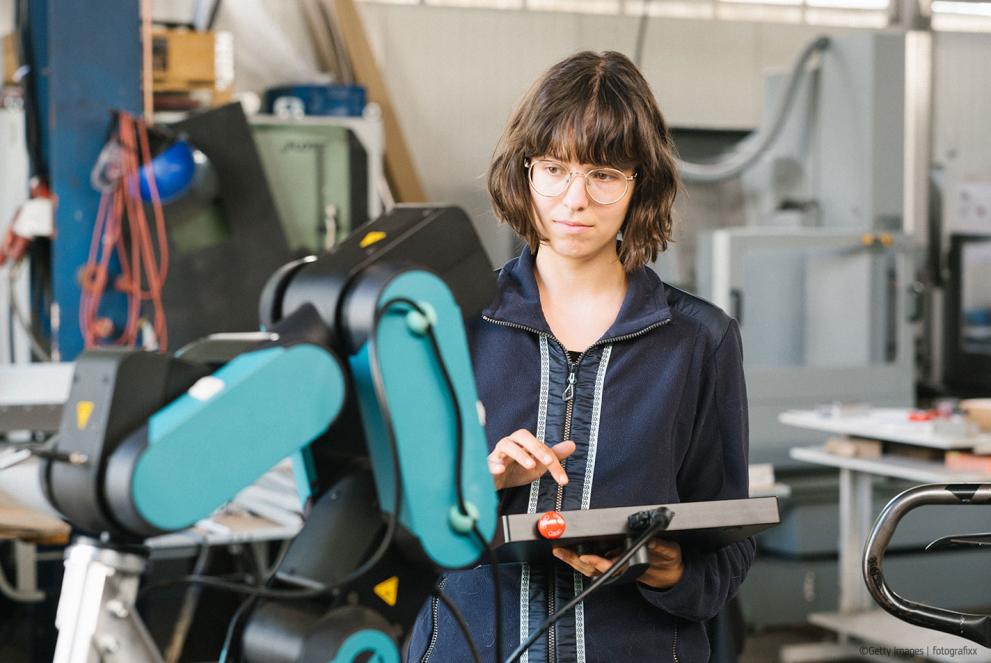
Creating predictable demand for bio-based materials and technologies is key to unlocking private investment. In this context, the Council highlights the need to identify and strengthen sectors with high potential (pioneer markets).

These lead markets should not be limited to those listed in the EU Bioeconomy Strategy (e.g. bio-based plastics, chemicals, construction materials and fertilisers), but could also be extended to other sectors, such as footwear and textiles, paper or the blue bioeconomy (e.g. the use of algae and sponges).

According to recent reports, the EU is largely self-sufficient in terms of biomass supply (around 90%). The Council calls for a sustainable supply of biomass to be ensured, as this is essential for the long-term viability of the bioeconomy. It calls on Member States to use biomass across all value chains in a resource-efficient and environmentally sound manner, and to promote the use of by-products, bio-waste and waste (secondary biomass).

Background

Across the EU, the bioeconomy supports almost one in twelve jobs, representing a workforce of 17.1 million people. In 2023, the total value of the EU bioeconomy was estimated at €2.7 trillion, and the bioeconomy is considered to be the Union’s fastest-growing sector, whilst protecting the environment and promoting the circular economy.

On 27 November 2025, the Commission adopted the updated EU Bioeconomy Strategy in response to the Council Conclusions of 2023 and 2024 on this matter and the European Council’s Strategic Agenda for 2024–2029.

Further information: European Council

Publicaciones relacionadas:

Legal Affairs MEPs call for protection of copyrighted works used by AI UAL participates in a project to improve and control tuberculosis in Almería province Commission launches strategy to make Europe Quantum leader by 2030 Europe enters the exascale supercomputing league with ‘JUPITER’ New strategy to strengthen Europe’s research and technology infrastructures

EU News,  Research and Innovation,  Technology actualidad,  alternatives,  Bioeconomy,  Consejo Europeo,  Consejo Europeo,  European Council,  Innovación,  innovation,  Investment,  markets,  News,  noticias,  renewable resources,  Sustainability,  Technology

“This is a space for debate. All comments, for or against publication, that are respectful and do not contain expressions that are discriminatory, defamatory or contrary to current legislation will be published”.

Reader Interactions

Leave a Reply Cancel reply

Your email address will not be published. Required fields are marked *

This site uses Akismet to reduce spam. Learn how your comment data is processed.

Primary Sidebar

Footer

  • CDE Almería
  • Biblioteca Nicolás Salmerón – Universidad de Almería
  • Planta: 1ª, Despacho: 1.05.0B.
  • Ctra. Sacramento s/n. Almería (Spain)
  • Teléfono: (+34) 950 015266

HOME
NEWS
DOCUMENTATION
EUROPE ON THE NET
ABOUT US

  • LEGAL NOTICE
  • PRIVACY POLICY
  • COOKIE POLICY
  • ACCESSIBILITY
  • SITEMAP

Copyright © 2026 CDE Almería · Creative Commons LicenseThis work is licensed under a Creative Commons Attribution-NonCommercial 4.0 International License.

<p>El Centro de Documentación Europea de la Universidad de Almería utiliza cookies propias y de terceros para facilitar al usuario la navegación en su página Web y el acceso a los distintos contenidos alojados en la misma. Asimismo, se utilizan cookies analíticas de terceros para medir la interacción de los usuarios con el sitio Web. Pinche el siguiente enlace si desea información sobre el uso de cookies y como deshabilitarlas. </p>

Politica de privacidad

El Centro de Documentación Europea de la Universidad de Almería utiliza cookies propias y de terceros para facilitar al usuario la navegación en su página Web y el acceso a los distintos contenidos alojados en la misma. Asimismo, se utilizan cookies analíticas de terceros para medir la interacción de los usuarios con el sitio Web. Pinche el siguiente enlace si desea información sobre el uso de cookies y como deshabilitarlas. <a href="/politica-de-cookies" rel="noopener" target="_blank">Más información</a>

Cookies estrictamente necesarias

Las cookies estrictamente necesarias tiene que activarse siempre para que podamos guardar tus preferencias de ajustes de cookies.

Básicamente la web no funcionara bien si no las activas.

Estas cookies son:

  • Comprobación de inicio de sesión.
  • Cookies de seguridad.
  • Aceptación/rechazo previo de cookies.
Cookies de terceros

Esta web utiliza Google Analytics, Google Tag Manager y Yandex Metrika para recopilar información anónima tal como el número de visitantes del sitio, o las páginas más populares.

Dejar estas cookies activas nos permite mejorar nuestra web.

Política de cookies

Pinche el siguiente enlace si desea información sobre el uso de cookies y como deshabilitarlas. Más información