• Skip to primary navigation
  • Skip to main content
  • Skip to primary sidebar
  • Skip to footer
  • Bluesky
  • Facebook
  • Instagram
  • Twitter
  • YouTube
CDE Almería – Centro de Documentación Europea – Universidad de Almería

CDE Almería - Centro de Documentación Europea - Universidad de Almería

Centro de Documentación Europea de la Universidad de Almería

  • HOME
  • WHAT´S ON
    • EU NEWS
    • Activities
    • EU Calls and Awards
    • Radio Program «Europe with You»
  • DOCUMENTATION
    • EU Media Collection
      • Web Space
      • MEDIATHEQUE REPOSITORY
  • Europe on the net
    • Institutions
    • EU Representation in Spain
    • European information network of Andalusia
  • ABOUT US
    • Presentation
    • Services
    • People
    • Contact
  • Spanish
  • English

According to the latest Eurobarometer, skills shortages are a serious problem for most EU SMEs

Inicio » Noticias UE » Mercado » Economía y Finanzas » According to the latest Eurobarometer, skills shortages are a serious problem for most EU SMEs

16 de November de 2023

A new Eurobarometer survey released today finds that skills shortages are one of the most serious problems for Small and Medium-sized Enterprises (SMEs) in the EU. 

The challenge of skills shortages has grown over the years and now encompasses all EU Member States and all sectors of the economy.

The survey is a useful tool in understanding the impact of skills shortages on SMEs, and will feed into the Commission’s policy making. Among other things, it will inform the implementation of the SME relief package that was adopted in September 2023 and stipulates various actions to improve the skills situation for SMEs in the EU. The survey also complements another recently published Eurobarometer study which, among other things, focuses on the training and skilling activities of businesses.

Some of the key conclusions of the Eurobarometer study are:

  • Skills shortages represent a serious problem from the smallest to mid-sized companies in Europe, being identified as such by 53% of micro companies (<10 employees), 65% of small companies (10-49 employees) and 68% of medium-sized companies (50-249 employees). Looking back over the preceding two years, 61% of micro companies and 80% of medium-sized companies found it difficult to find and hire staff with the right skills.
  • SMEs are most frequently faced with a skills shortage for technically trained staff such as lab-workers, mechanics, or others. Almost a half (42%) of European SMEs indicated they faced shortages of qualified staff. This particularly problematic for SMEs in the industry sector and manufacturing, with 47% and 50% of SMEs claiming problems in hiring relevant technical staff.
  • Skills shortages affect SMEs in various ways, leading to increased workload for existing staff, the loss of sales or sales opportunities as well as reduced profitability and growth.
  • Only one in seven (14%) of SMEs report hiring staff from other EU Member States as a way of addressing skills shortages, although this percentage is higher for bigger SMEs. Language barriers and, to a lesser extent, administrative difficulties were identified as the main obstacles to increasing the recruitment of qualified staff across the EU.
  • A majority of SMEs expressed relative satisfaction with the policy support they received in tackling skill shortages while indicating further room for improvement. When it comes to policies that best support their needs, micro companies mostly mention fiscal incentives (39%) and direct subsidies (28%), while 38% of medium sized companies highlight training for upskilling as most useful.
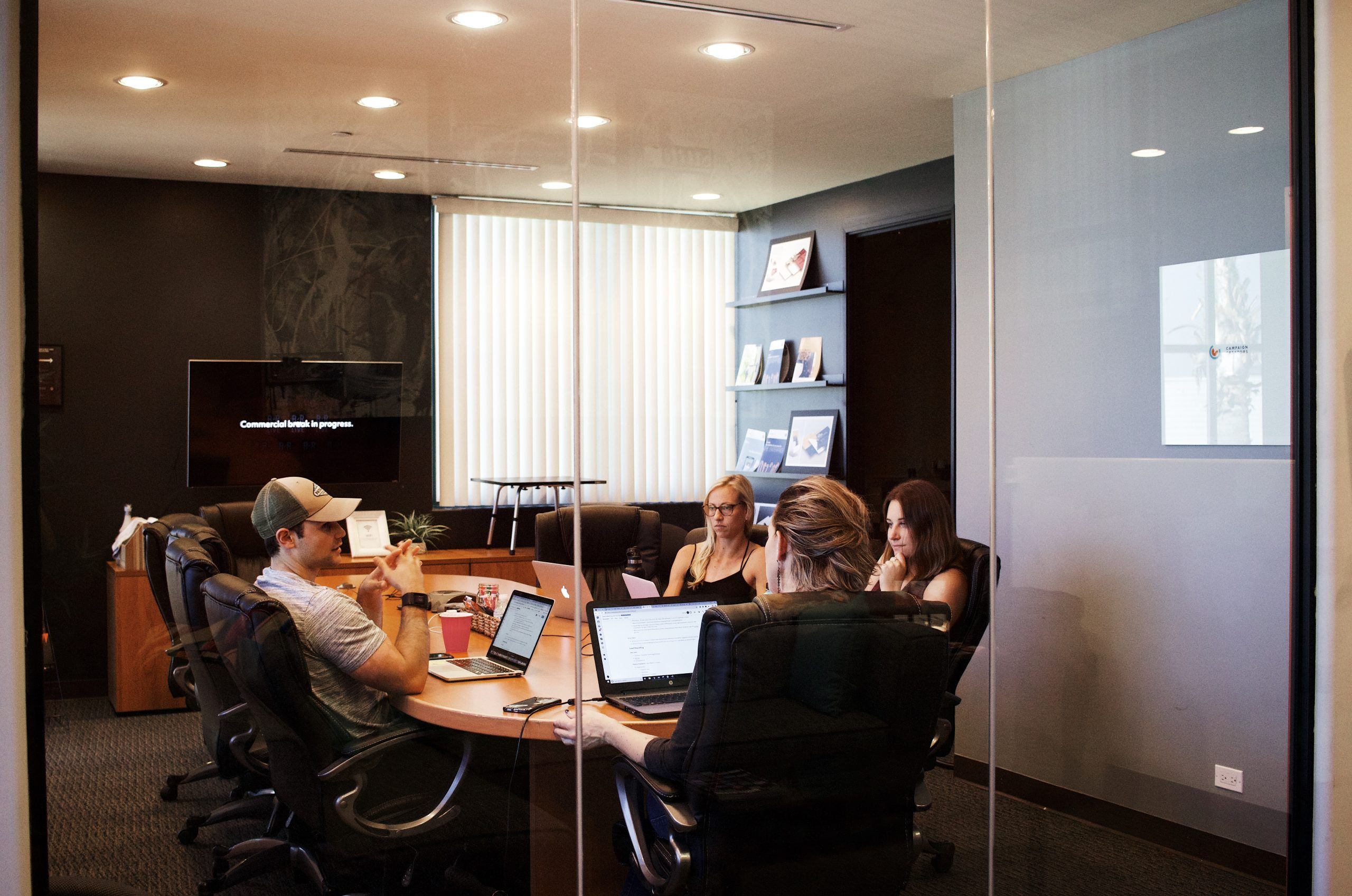
European Commission proposes new measures to boost SME competitiveness and resilience

More information: European Commission

Publicaciones relacionadas:
bandera españa europaEU Cohesion Policy: €37.3 billion to Spain An agreement signed by the EIB and the European Commission to boost private sector investment in African, Caribbean and Pacific countries The European Commission adopted a proposal to adjust and further strengthen the current crisis management framework for banks Primer informe anual sobre la situación del Estado de Derecho en la UEEuropean Commission takes steps to cut red tape in merger cases Primer informe anual sobre la situación del Estado de Derecho en la UEPolicy guidance under the European Semester


Economy and Finance,  EU News,  Market Comision Europea,  Comision Europea,  EU SMEs,  Eurobarometer,  European Commission,  Skills shortages

“This is a space for debate. All comments, for or against publication, that are respectful and do not contain expressions that are discriminatory, defamatory or contrary to current legislation will be published”.

Reader Interactions

Leave a Reply Cancel reply

Your email address will not be published. Required fields are marked *

This site uses Akismet to reduce spam. Learn how your comment data is processed.

Primary Sidebar

Footer

  • CDE Almería
  • Biblioteca Nicolás Salmerón – Universidad de Almería
  • Planta: 1ª, Despacho: 1.05.0B.
  • Ctra. Sacramento s/n. Almería (Spain)
  • Teléfono: (+34) 950 015266

HOME
NEWS
DOCUMENTATION
EUROPE ON THE NET
ABOUT US

  • LEGAL NOTICE
  • PRIVACY POLICY
  • COOKIE POLICY
  • ACCESSIBILITY
  • SITEMAP

Copyright © 2026 CDE Almería · Creative Commons LicenseThis work is licensed under a Creative Commons Attribution-NonCommercial 4.0 International License.

<p>El Centro de Documentación Europea de la Universidad de Almería utiliza cookies propias y de terceros para facilitar al usuario la navegación en su página Web y el acceso a los distintos contenidos alojados en la misma. Asimismo, se utilizan cookies analíticas de terceros para medir la interacción de los usuarios con el sitio Web. Pinche el siguiente enlace si desea información sobre el uso de cookies y como deshabilitarlas. </p>

Politica de privacidad

El Centro de Documentación Europea de la Universidad de Almería utiliza cookies propias y de terceros para facilitar al usuario la navegación en su página Web y el acceso a los distintos contenidos alojados en la misma. Asimismo, se utilizan cookies analíticas de terceros para medir la interacción de los usuarios con el sitio Web. Pinche el siguiente enlace si desea información sobre el uso de cookies y como deshabilitarlas. <a href="/politica-de-cookies" rel="noopener" target="_blank">Más información</a>

Cookies estrictamente necesarias

Las cookies estrictamente necesarias tiene que activarse siempre para que podamos guardar tus preferencias de ajustes de cookies.

Básicamente la web no funcionara bien si no las activas.

Estas cookies son:

  • Comprobación de inicio de sesión.
  • Cookies de seguridad.
  • Aceptación/rechazo previo de cookies.
Cookies de terceros

Esta web utiliza Google Analytics, Google Tag Manager y Yandex Metrika para recopilar información anónima tal como el número de visitantes del sitio, o las páginas más populares.

Dejar estas cookies activas nos permite mejorar nuestra web.

Política de cookies

Pinche el siguiente enlace si desea información sobre el uso de cookies y como deshabilitarlas. Más información