• Skip to primary navigation
  • Skip to main content
  • Skip to primary sidebar
  • Skip to footer
  • Bluesky
  • Facebook
  • Instagram
  • Twitter
  • YouTube
CDE Almería – Centro de Documentación Europea – Universidad de Almería

CDE Almería - Centro de Documentación Europea - Universidad de Almería

Centro de Documentación Europea de la Universidad de Almería

  • HOME
  • WHAT´S ON
    • EU NEWS
    • Activities
    • EU Calls and Awards
    • Radio Program «Europe with You»
  • DOCUMENTATION
    • EU Media Collection
      • Web Space
      • MEDIATHEQUE REPOSITORY
  • Europe on the net
    • Institutions
    • EU Representation in Spain
    • European information network of Andalusia
  • ABOUT US
    • Presentation
    • Services
    • People
    • Contact
  • Spanish
  • English

Accidents at work claimed 3 286 lives in 2022 in the EU

Inicio » Noticias UE » Asuntos Sociales » Labour Market and Employment » Accidents at work claimed 3 286 lives in 2022 in the EU

4 de December de 2024

There were nearly 2.97 million non-fatal accidents at work in the EU in 2022, a 3% increase from 2.88 million in 2021 (+ 87 139 more non-fatal accidents). This increase is probably due to the economic restart in 2022 that followed the general slowdown related to the COVID-19 pandemic.
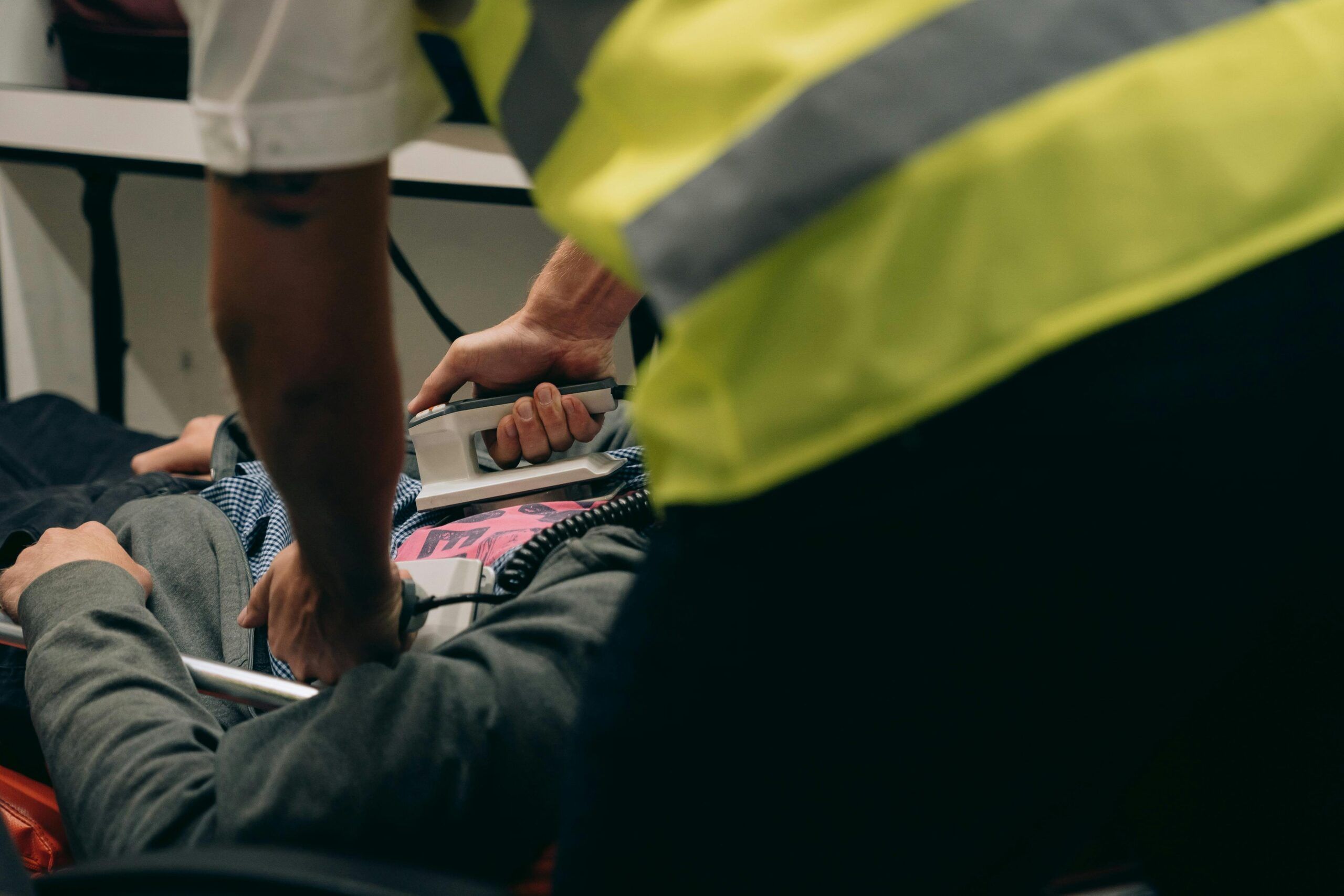
In 2022, 3 286 work-related accidents were fatal, accounting for 0.1% of all accidents. This was 61 fatalities less than in 2021 and 122 less than in 2013.

This information comes from the European statistics on accidents at work (ESAW) data collection that was released by Eurostat today. This article presents a handful of findings from a more detailed Statistics Explained article on accidents at work.

Across the EU, there were on average 1.66 fatalities per 100 000 employed people in 2022, down from 1.76 fatalities in 2021. The incidence rate has remained below 2.0 fatalities per 100 000 workers since 2016.

Methodological note

An accident at work is defined as an occurrence during the course of work, which leads to physical or mental harm. Fatal accidents at work are those that lead to the death of the victim within one year of the accident taking place. Non-fatal accidents at work are defined as those that imply at least four full calendar days of absence from work (they are sometimes also called ‘serious accidents at work’). The number of accidents in a particular year is likely to be related to some extent to the overall level of economic activity of a country and the total number of people employed in its economy.

More information: Eurostat.

Publicaciones relacionadas:

Working parents with young children in the EU Primer plano de espaldas de un joven con ropa de invierno sobre un fondo gris oscuroThe NEET rate within the EU and its Member States 2021 The Parliament’s fight for gender equality in the EU The number of ICT workers in the EU rose in 2022 Number of NEETs in the EU falls by 1.4% in 2022

EU News,  Labour Market and Employment,  Social Affairs Accidents,  Death,  Eurostat,  Work

“This is a space for debate. All comments, for or against publication, that are respectful and do not contain expressions that are discriminatory, defamatory or contrary to current legislation will be published”.

Reader Interactions

Leave a Reply Cancel reply

Your email address will not be published. Required fields are marked *

This site uses Akismet to reduce spam. Learn how your comment data is processed.

Primary Sidebar

Footer

  • CDE Almería
  • Biblioteca Nicolás Salmerón – Universidad de Almería
  • Planta: 1ª, Despacho: 1.05.0B.
  • Ctra. Sacramento s/n. Almería (Spain)
  • Teléfono: (+34) 950 015266

HOME
NEWS
DOCUMENTATION
EUROPE ON THE NET
ABOUT US

  • LEGAL NOTICE
  • PRIVACY POLICY
  • COOKIE POLICY
  • ACCESSIBILITY
  • SITEMAP

Copyright © 2026 CDE Almería · Creative Commons LicenseThis work is licensed under a Creative Commons Attribution-NonCommercial 4.0 International License.

<p>El Centro de Documentación Europea de la Universidad de Almería utiliza cookies propias y de terceros para facilitar al usuario la navegación en su página Web y el acceso a los distintos contenidos alojados en la misma. Asimismo, se utilizan cookies analíticas de terceros para medir la interacción de los usuarios con el sitio Web. Pinche el siguiente enlace si desea información sobre el uso de cookies y como deshabilitarlas. </p>

Politica de privacidad

El Centro de Documentación Europea de la Universidad de Almería utiliza cookies propias y de terceros para facilitar al usuario la navegación en su página Web y el acceso a los distintos contenidos alojados en la misma. Asimismo, se utilizan cookies analíticas de terceros para medir la interacción de los usuarios con el sitio Web. Pinche el siguiente enlace si desea información sobre el uso de cookies y como deshabilitarlas. <a href="/politica-de-cookies" rel="noopener" target="_blank">Más información</a>

Cookies estrictamente necesarias

Las cookies estrictamente necesarias tiene que activarse siempre para que podamos guardar tus preferencias de ajustes de cookies.

Básicamente la web no funcionara bien si no las activas.

Estas cookies son:

  • Comprobación de inicio de sesión.
  • Cookies de seguridad.
  • Aceptación/rechazo previo de cookies.
Cookies de terceros

Esta web utiliza Google Analytics, Google Tag Manager y Yandex Metrika para recopilar información anónima tal como el número de visitantes del sitio, o las páginas más populares.

Dejar estas cookies activas nos permite mejorar nuestra web.

Política de cookies

Pinche el siguiente enlace si desea información sobre el uso de cookies y como deshabilitarlas. Más información