• Skip to primary navigation
  • Skip to main content
  • Skip to primary sidebar
  • Skip to footer
  • Bluesky
  • Facebook
  • Instagram
  • Twitter
  • YouTube
CDE Almería – Centro de Documentación Europea – Universidad de Almería

CDE Almería - Centro de Documentación Europea - Universidad de Almería

Centro de Documentación Europea de la Universidad de Almería

  • HOME
  • WHAT´S ON
    • EU NEWS
    • Activities
    • EU Calls and Awards
    • Radio Program «Europe with You»
  • DOCUMENTATION
    • EU Media Collection
      • Web Space
      • MEDIATHEQUE REPOSITORY
  • Europe on the net
    • Institutions
    • EU Representation in Spain
    • European information network of Andalusia
  • ABOUT US
    • Presentation
    • Services
    • People
    • Contact
  • Spanish
  • English

41% of people employed as scientists and engineers in the European Union are women

Inicio » EU News » Social Affairs » Equality » 41% of people employed as scientists and engineers in the European Union are women

13 de February de 2024

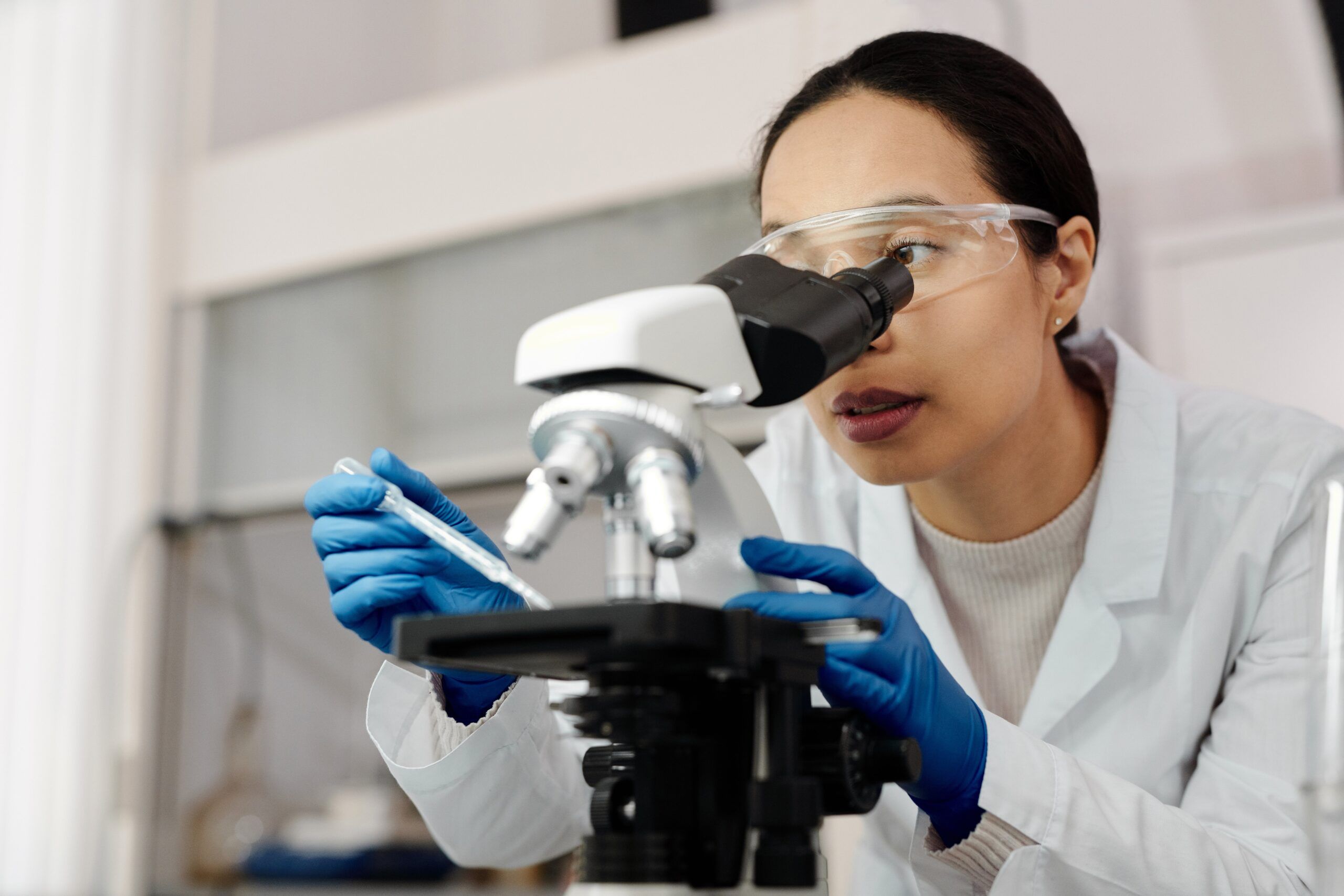
In 2022, there were almost 7.3 million female scientists and engineers in the EU, 310 500 more than in 2021, accounting for 41% of total employment in science and engineering.

Women working as scientists and engineers were primarily employed in the service sector, comprising 46% of scientists and engineers in this sector, whereas in manufacturing, only 22% of those employed as scientists and engineers were women.

Among the EU Member States, the proportion of female scientists and engineers varied widely in 2022, ranging from 53% in Denmark, Lithuania (52%) and Bulgaria (51%) to 31% in Hungary, Finland (32%) and Germany (34%).
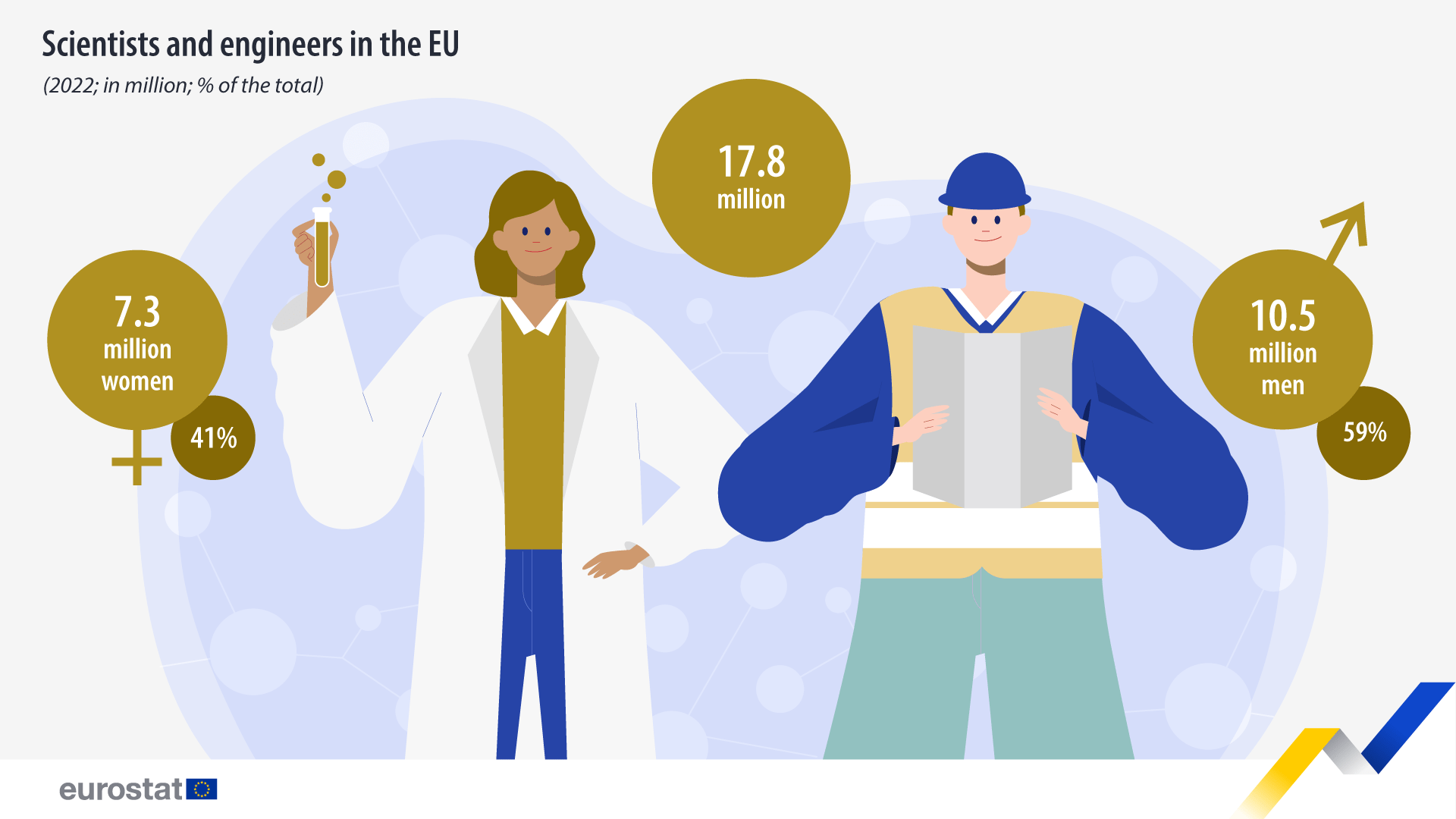
Scientists and Engineers are a subcategory of the broad concept of people employed in science and technology. People are classified as working in science and technology if they work in occupations that could be involved in the systematic generation, advancement, diffusion, and application of scientific and technological knowledge, independently of the level of studies. This category also includes other occupations like technicians or associated professionals.

The highest shares of women employed in science and technology occupations in 2022, in regions by level 1 of the Nomenclature of territorial units for statistics (NUTS1) were observed in Lithuania (a single region at NUTS 1 level) (64.1 %), in the French region of Corse (63.9 %) and in Latvia (also a single region at NUTS 1 level) (62.7 %).

At the other end of the scale, the regions with the smallest proportions of females employed in science and technology were recorded in the Italian region of Nord-Ovest (45.3%), Malta (45.8%) and the Italian region of Sud (46.1%).
EU regions where more women are employed in the high-tech industry

More information: Eurostat

Publicaciones relacionadas:
EU regions where more women are employed in the high-tech industry The Parliament’s fight for gender equality in the EU The number of ICT workers in the EU rose in 2022 Supernovas: to bring more women into the entrepreneurship ecosystem familiaCommission takes action to promote work-life balance in Spain and other EU countries



Equality,  EU News,  Labour Market and Employment,  Research and Innovation,  Social Affairs Employment,  Engineering,  engineers,  EU,  Science,  scientists,  women

“This is a space for debate. All comments, for or against publication, that are respectful and do not contain expressions that are discriminatory, defamatory or contrary to current legislation will be published”.

Reader Interactions

Leave a Reply Cancel reply

Your email address will not be published. Required fields are marked *

This site uses Akismet to reduce spam. Learn how your comment data is processed.

Primary Sidebar

Footer

  • CDE Almería
  • Biblioteca Nicolás Salmerón – Universidad de Almería
  • Planta: 1ª, Despacho: 1.05.0B.
  • Ctra. Sacramento s/n. Almería (Spain)
  • Teléfono: (+34) 950 015266

HOME
NEWS
DOCUMENTATION
EUROPE ON THE NET
ABOUT US

  • LEGAL NOTICE
  • PRIVACY POLICY
  • COOKIE POLICY
  • ACCESSIBILITY
  • SITEMAP

Copyright © 2026 CDE Almería · Creative Commons LicenseThis work is licensed under a Creative Commons Attribution-NonCommercial 4.0 International License.

<p>El Centro de Documentación Europea de la Universidad de Almería utiliza cookies propias y de terceros para facilitar al usuario la navegación en su página Web y el acceso a los distintos contenidos alojados en la misma. Asimismo, se utilizan cookies analíticas de terceros para medir la interacción de los usuarios con el sitio Web. Pinche el siguiente enlace si desea información sobre el uso de cookies y como deshabilitarlas. </p>

Politica de privacidad

El Centro de Documentación Europea de la Universidad de Almería utiliza cookies propias y de terceros para facilitar al usuario la navegación en su página Web y el acceso a los distintos contenidos alojados en la misma. Asimismo, se utilizan cookies analíticas de terceros para medir la interacción de los usuarios con el sitio Web. Pinche el siguiente enlace si desea información sobre el uso de cookies y como deshabilitarlas. <a href="/politica-de-cookies" rel="noopener" target="_blank">Más información</a>

Cookies estrictamente necesarias

Las cookies estrictamente necesarias tiene que activarse siempre para que podamos guardar tus preferencias de ajustes de cookies.

Básicamente la web no funcionara bien si no las activas.

Estas cookies son:

  • Comprobación de inicio de sesión.
  • Cookies de seguridad.
  • Aceptación/rechazo previo de cookies.
Cookies de terceros

Esta web utiliza Google Analytics, Google Tag Manager y Yandex Metrika para recopilar información anónima tal como el número de visitantes del sitio, o las páginas más populares.

Dejar estas cookies activas nos permite mejorar nuestra web.

Política de cookies

Pinche el siguiente enlace si desea información sobre el uso de cookies y como deshabilitarlas. Más información