
The European Commission presented the 2023 Strategic Foresight Report, which analyses how to put ‘sustainability and people’s wellbeing at the heart of Europe’s Open Strategic Autonomy’ and suggests ten concrete actions to achieve this aim.
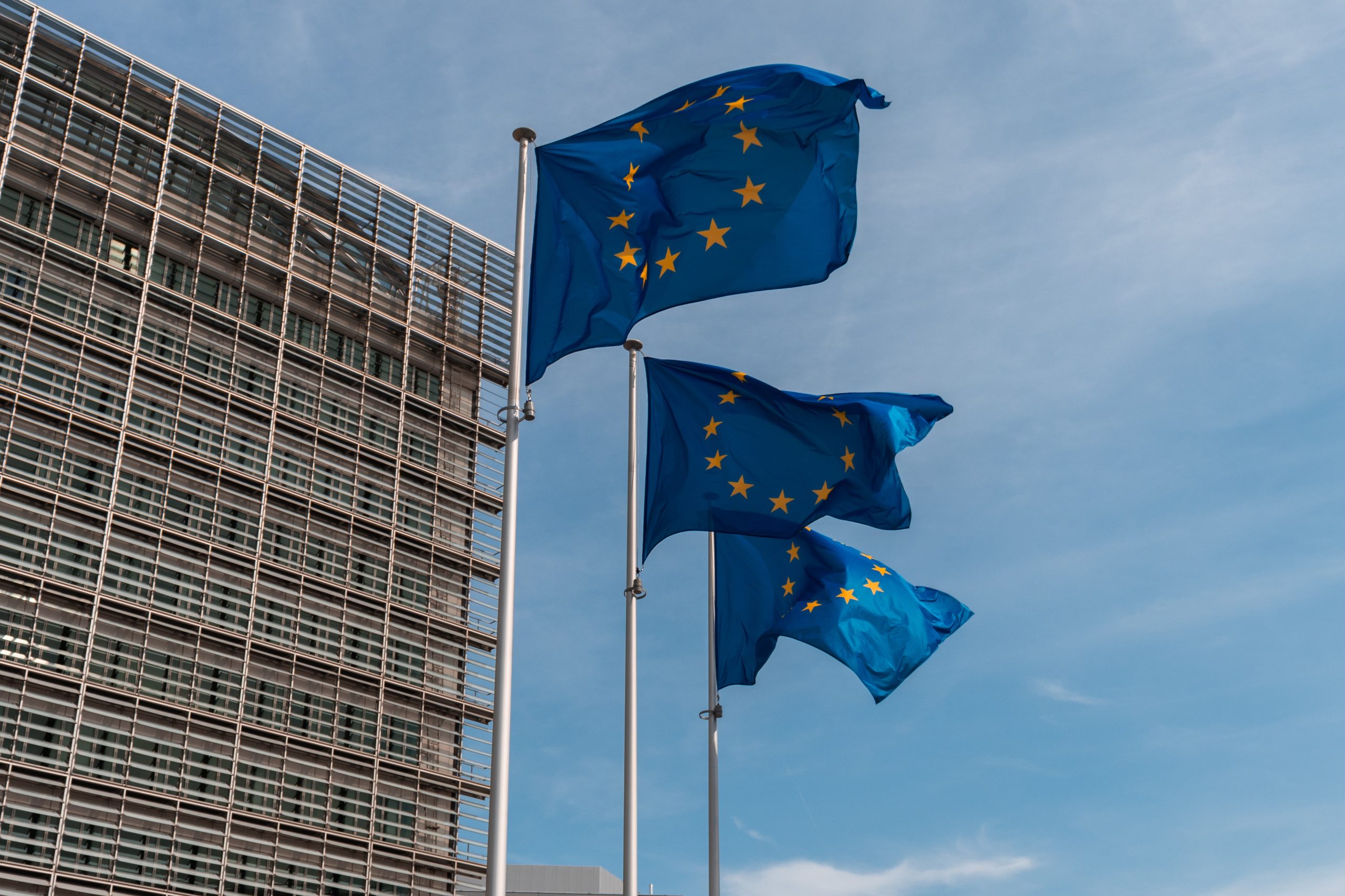
The EU is engaged in a profound and ambitious transition to achieve climate neutrality and sustainability in the next few decades. This sustainability transition will be key to strengthen the EU’s Open Strategic Autonomy, ensure its long-term competitiveness, uphold its social market economy model and consolidate its global leadership in the new net-zero economy. To succeed, the EU will need to address several challenges and make choices that will affect our societies and economies at an unprecedented pace and scale.
The 2023 report provides an overview of the challenges we face and proposes ten areas for action to achieve a successful transition. To equip policymakers with economic indicators which also consider wellbeing, it proposes to adjust Gross Domestic Product (GDP) to take account of different factors such as health and the environment.
This approach will bolster the EU’s Open Strategic Autonomy and global standing in its pursuit of a resilient net-zero economy.
Overcoming key social and economic challenges
As it goes through the sustainability transition – which encompasses both economic and social sustainability – the EU is facing several challenges. For example:
- Evolving geopolitical shifts are shaping public opinion and how governments across the globe act, challenging international cooperation on global issues, such as climate change or the energy transition.
- The need for a new economic model, focused on the wellbeing of people and nature, decoupling economic growth from resource use and shifting to more sustainable production and consumption. Up to 75% of Eurozone businesses are highly dependent on natural resources. Economic, social and environmental sustainability are inextricably linked.
- Growing demand for adequate skills for a sustainable future. The availability of workers equipped with appropriate technical and soft skills will be crucial for the EU’s competitiveness: 85% of EU firms today lack staff with the competences needed to navigate the green and digital transitions.
- The sustainability transition requires unprecedented investments. Achieving it will depend on securing sufficient funding both from the public and private sectors.

EU publishes European Innovation Scoreboard 2023
|
Ten areas for action
Today’s report identifies ten areas where our policy response is needed to ensure that the sustainability transition remains focused on the wellbeing of people and society:
- Ensure a new European social contract with renewed welfare policies and a focus on high-quality social services.
- Deepen the Single Market to champion a resilient net-zero economy, with a focus on Open Strategic Autonomy and economic security.
- Boost the EU’s offer on the global stage to strengthen cooperation with key partners.
- Support shifts in production and consumption towards sustainability, targeting regulation and fostering balanced lifestyles.
- Move towards a ‘Europe of investments’ through public action to catalyse financial flows for the transitions.
- Make public budgets fit for sustainability through an efficient tax framework and public spending.
- Further shift policy and economic indicators towards sustainable and inclusive wellbeing, including by adjusting GDP for different factors.
- Ensure that all Europeans can contribute to the transition by increasing labour market participation and focusing on future skills.
- Strengthen democracy with generational fairness at the heart of policymaking to reinforce the support for the transitions.
- Complement civil protection with ‘civil prevention’ by reinforcing the EU’s toolbox on preparedness and response.
Next steps
The Foresight Report 2023 will be presented to EU Member States at the General Affairs Council of 10 July. Together with work conducted on foresight by the Spanish Presidency of the Council of the EU, the Commission’s report is also expected to inform the discussion of Leaders at the informal European Council in Granada in October 2023.
In November 2023, the Commission will co-organise, together with the European Parliament, the annual European Strategy and Political Analysis System (ESPAS) conference. It will be an opportunity to test and discuss key findings of the 2024 report on interinstitutional global trends jointly prepared by EU institutions, and reflect on the way ahead.
More information: European Commission


Leave a Reply