
Last year, Europe, the Middle East and Africa suffered some of the worst wildfires since 2000. According to the Forest Fires 2023 report, published last 19 by the Commission’s Joint Research Centre, wildfires affected over 500 000 hectares of natural lands, roughly half the size of the island of Cyprus.
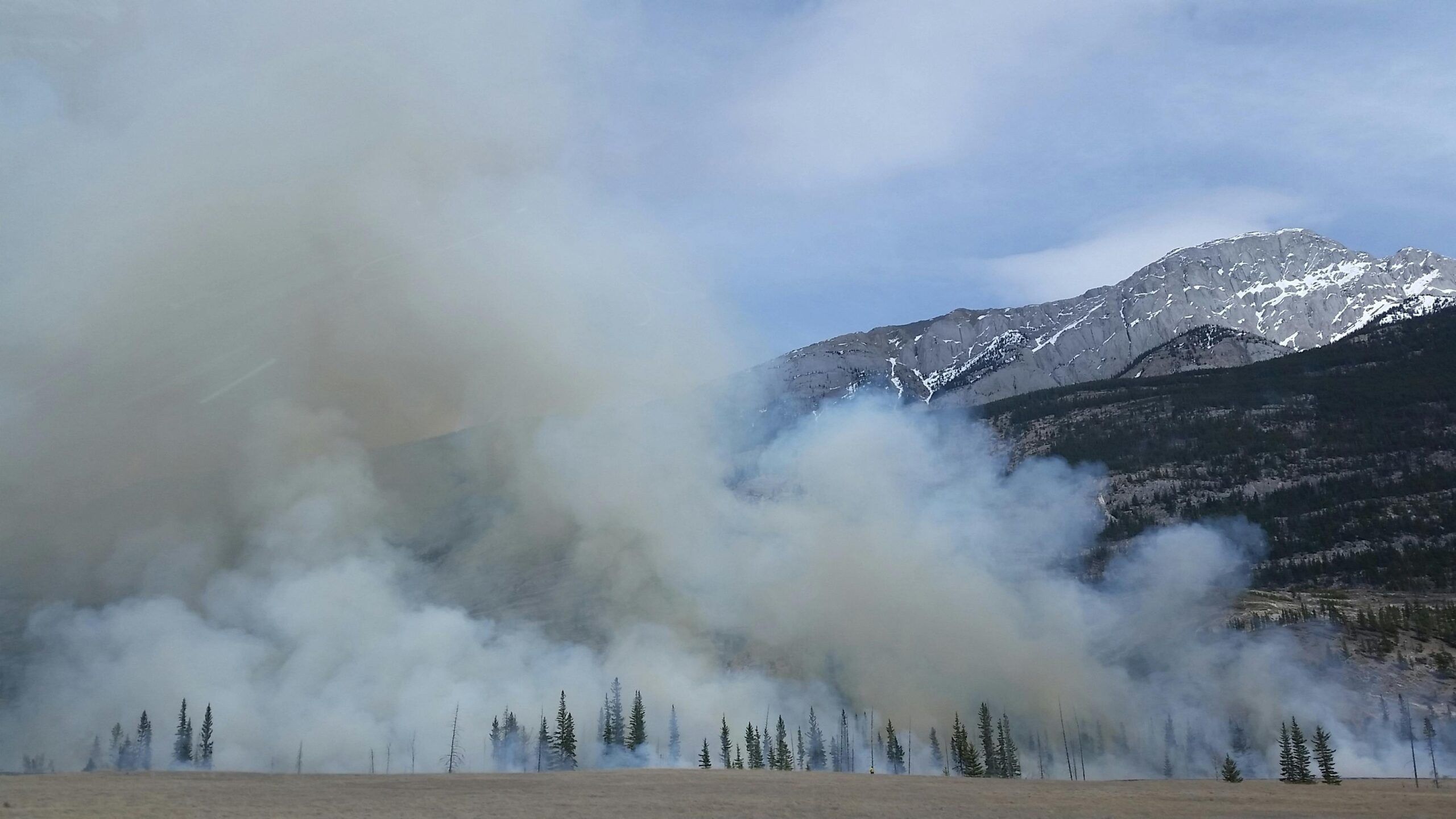
In recent years, catastrophic wildfires have been common in the European Union and neighbouring countries, 2023 was no exception. ‘Megafires’ and wildfires challenged traditional firefighting means, including a fire near the city of Alexandroupolis in the Greek region of East Macedonia and Thrace. This was the largest single wildfire recorded in the EU since the European Forest Fire Information System (EFFIS) started tracking them in 2000.
The unprecedented wildfires sweeping Europe in the last four years show the undeniable effects of climate change on wildfires becoming more frequent and intense. This was underlined by the first ever European Climate Risk Assessment (EUCRA) and the Commission Communication on managing climate risks in Europe published this year.
Climate change is not only increasing the size of the areas affected by wildfires, but also making individual fires more intense, prolonging the fire season beyond the traditional summer period, and causing fires to happen in areas that were not usually affected by them.
The high frequency and intensity of wildfires during prolonged fire seasons pose a new challenge to firefighting services across Europe and globally, as aerial firefighting becomes more arduous and ground operations become more difficult or even impossible.
A downturn in wildfires in 2024 in the EU, but still above the ten-year average
The preliminary assessment of the 2024 wildfire season in the EU until mid-September shows that the area burnt by fires in the EU was below the average of the last two decades. This is mainly due to the intermittent rainfall that affected much of the EU territory throughout spring and summer.
In September, multiple wildfires broke out simultaneously in Portugal. This brought the 2024 wildfire damage above the EU average of the last decades. However, overall, 2024 can be considered a less severe wildfire season as it marks a downturn in damage after three consecutive years of devastating fires.
The Commission and the EU Member States are improving their prevention, preparedness and firefighting capabilities, which would have helped limit damage across the EU this year.
Tackling the root cause of wildfires and raising awareness about the changing climate
To tackle wildfires in Europe and globally, it is necessary to minimise the number of wildfire ignitions and manage the landscape in vulnerable regions, preventing the accumulation of high-risk fuel types and their spatial continuity. Nature-based preventive measures such as promoting tree species composition that is less fire-prone, enabling grazing by herbivores or prescribed burns, are effective in reducing wildfire risk, together with integrated landscape planning approaches.
According to the report, approximately 96% of wildfires in the EU are caused by human actions, meaning that education and awareness-raising campaigns are an essential part of the solution. As the climate crisis worsens, it is crucial that Europe’s population prepares for more frequent and intense wildfires. Prevention measures must involve all sections of the population, including rural communities in direct contact with natural areas, as well as the particularly vulnerable population that lives in the ‘wildland-urban interface’.
Background
The European Forest Fire Information System (EFFIS) is a network of 43 countries that exchange harmonised information on forest fires and assess their effects in Europe. It is also a platform for exchange of good practices on fire prevention, firefighting, restoration, and other fire management activities.
Since 2015, EFFIS is one of the components of the Emergency Management Services of Copernicus, the EU Earth observation programme which provides information on the planet and its environment from both satellite monitoring and in situ data.
More information: European Commission
Publicaciones relacionadas:
 Assistance to member states affected by natural disasters: Council gives go-ahead to proposal
 Parliament pays homage to the victims of the floods in Spain
 Spain wins the Environment category of the LIFE Awards
 Simpler EU energy labels for lighting products
 Protecting birds from the dangers of power lines
Leave a Reply