• Skip to primary navigation
  • Skip to main content
  • Skip to primary sidebar
  • Skip to footer
  • Bluesky
  • Facebook
  • Instagram
  • Twitter
  • YouTube
CDE Almería – Centro de Documentación Europea – Universidad de Almería

CDE Almería - Centro de Documentación Europea - Universidad de Almería

Centro de Documentación Europea de la Universidad de Almería

  • HOME
  • WHAT´S ON
    • EU NEWS
    • Activities
    • EU Calls and Awards
    • Radio Program «Europe with You»
  • DOCUMENTATION
    • EU Media Collection
      • Web Space
      • MEDIATHEQUE REPOSITORY
  • Europe on the net
    • Institutions
    • EU Representation in Spain
    • European information network of Andalusia
  • ABOUT US
    • Presentation
    • Services
    • People
    • Contact
  • Spanish
  • English

17 May: International Day against Homophobia, Transphobia and Biphobia in the EU

Inicio » EU News » Social Affairs » Equality » 17 May: International Day against Homophobia, Transphobia and Biphobia in the EU

17 de May de 2022

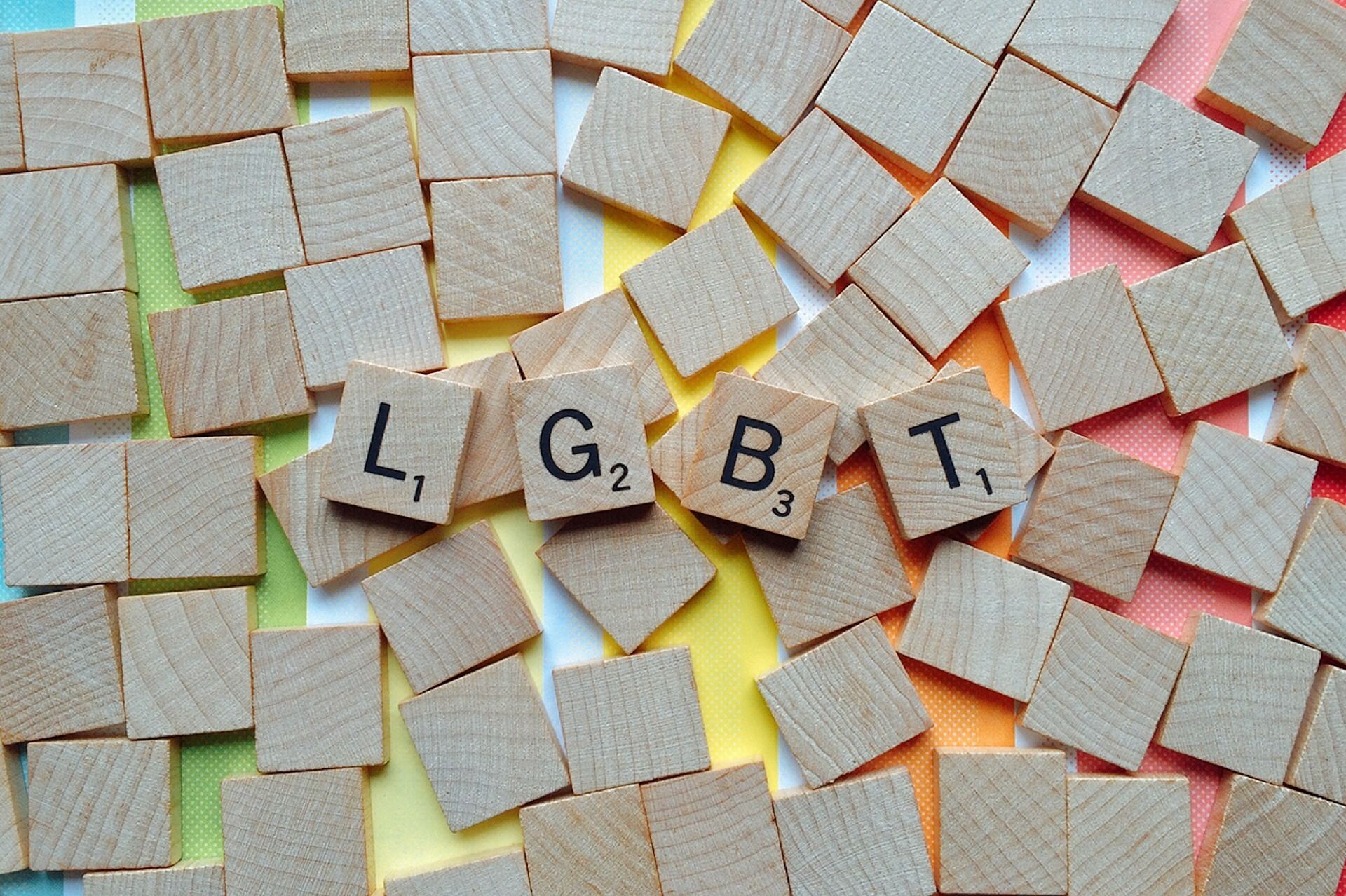
On the International Day against Homophobia, Transphobia and Biphobia (IDAHOT), the European Union reaffirms its strong commitment to respect, protect and fulfil the full and equal enjoyment of human rights and fundamental freedoms of lesbian, gay, bisexual, transgender and intersex (LGBTI) persons.

Across the world, over 2 billion people live in countries where homosexuality is illegal, while death penalty is retained as a legal punishment for consensual same sex relationships in 11 jurisdictions.

Over the last 10 years, we have seen signs of progress worldwide. Yet, discrimination and exclusion because of sexual orientation and gender identity persist, and we are witnessing a worrying pushback of the rights of LGBTI persons. Levels of violence against LGBTI persons are also alarming, even though largely  underreported.

Armed conflicts and humanitarian emergencies put LGBTI persons at particular risk. Russia’s unprovoked and unjustified aggression against Ukraine has put the spotlight on LGBTI persons trying to flee the war. There have been reports of transgender persons that have been hindered from leaving the country as well as incidents of violence against LGBTI-persons. More needs to be done to offer them support, protection and safe spaces.

Young persons, in particular, face rejection by their families, homelessness and harassment online and offline based on their sexual orientation and gender identity. This year 2022 is the European Year of Youth: young persons need to be accepted and valued for who they are. We must strive to build peaceful, inclusive societies, where everyone can thrive and feel safe.

The EU stands with all LGBTI persons and will not compromise. We will continue to speak up for the human rights of LGBTI persons. We will combat discrimination, violence and hate speech based on sexual orientation and gender identity – in times of peace and times of conflict. We will continue our efforts to promote legal, political and financial anti-discrimination measures in close co-operation with civil society.

Equality, respect for dignity and respect for diversity are at the heart of our Union. Everyone should be free to be who they are and love whom they choose without fear.

28 June: International LGBTI Day

Source: European Council

Publicaciones relacionadas:

Women’s rights in the EU Día Internacional de la mujerInternational Women’s Day 2020: Beijing Declaration 25 years after peones de ajedrez en grupo y peón solitarioJudgment of the CJEU on homophobic discrimination in the workplace ilustración con manos naranjas y estrellas azulesSituation of human rights in the U.S. and the EU Covid-19 and gender-based violence: Has the pandemic taught us anything?

Equality,  EU News,  Social Affairs Unión Europea

“This is a space for debate. All comments, for or against publication, that are respectful and do not contain expressions that are discriminatory, defamatory or contrary to current legislation will be published”.

Reader Interactions

Leave a Reply Cancel reply

Your email address will not be published. Required fields are marked *

This site uses Akismet to reduce spam. Learn how your comment data is processed.

Primary Sidebar

Footer

  • CDE Almería
  • Biblioteca Nicolás Salmerón – Universidad de Almería
  • Planta: 1ª, Despacho: 1.05.0B.
  • Ctra. Sacramento s/n. Almería (Spain)
  • Teléfono: (+34) 950 015266

HOME
NEWS
DOCUMENTATION
EUROPE ON THE NET
ABOUT US

  • LEGAL NOTICE
  • PRIVACY POLICY
  • COOKIE POLICY
  • ACCESSIBILITY
  • SITEMAP

Copyright © 2026 CDE Almería · Creative Commons LicenseThis work is licensed under a Creative Commons Attribution-NonCommercial 4.0 International License.

<p>El Centro de Documentación Europea de la Universidad de Almería utiliza cookies propias y de terceros para facilitar al usuario la navegación en su página Web y el acceso a los distintos contenidos alojados en la misma. Asimismo, se utilizan cookies analíticas de terceros para medir la interacción de los usuarios con el sitio Web. Pinche el siguiente enlace si desea información sobre el uso de cookies y como deshabilitarlas. </p>

Politica de privacidad

El Centro de Documentación Europea de la Universidad de Almería utiliza cookies propias y de terceros para facilitar al usuario la navegación en su página Web y el acceso a los distintos contenidos alojados en la misma. Asimismo, se utilizan cookies analíticas de terceros para medir la interacción de los usuarios con el sitio Web. Pinche el siguiente enlace si desea información sobre el uso de cookies y como deshabilitarlas. <a href="/politica-de-cookies" rel="noopener" target="_blank">Más información</a>

Cookies estrictamente necesarias

Las cookies estrictamente necesarias tiene que activarse siempre para que podamos guardar tus preferencias de ajustes de cookies.

Básicamente la web no funcionara bien si no las activas.

Estas cookies son:

  • Comprobación de inicio de sesión.
  • Cookies de seguridad.
  • Aceptación/rechazo previo de cookies.
Cookies de terceros

Esta web utiliza Google Analytics, Google Tag Manager y Yandex Metrika para recopilar información anónima tal como el número de visitantes del sitio, o las páginas más populares.

Dejar estas cookies activas nos permite mejorar nuestra web.

Política de cookies

Pinche el siguiente enlace si desea información sobre el uso de cookies y como deshabilitarlas. Más información