• Skip to primary navigation
  • Skip to main content
  • Skip to primary sidebar
  • Skip to footer
  • Bluesky
  • Facebook
  • Instagram
  • Twitter
  • YouTube
CDE Almería – Centro de Documentación Europea – Universidad de Almería

CDE Almería - Centro de Documentación Europea - Universidad de Almería

Centro de Documentación Europea de la Universidad de Almería

  • HOME
  • WHAT´S ON
    • EU NEWS
    • Activities
    • EU Calls and Awards
    • Radio Program «Europe with You»
  • DOCUMENTATION
    • EU Media Collection
      • Web Space
      • MEDIATHEQUE REPOSITORY
  • Europe on the net
    • Institutions
    • EU Representation in Spain
    • European information network of Andalusia
  • ABOUT US
    • Presentation
    • Services
    • People
    • Contact
  • Spanish
  • English

Why are the caps attached to the bottles?

Inicio » Noticias UE » Derecho » Legislación » Why are the caps attached to the bottles?

28 de October de 2024

The changes we are seeing to plastic bottle caps are part of a wide-ranging effort to combat the increasing plastic pollution affecting our seas and oceans and their wildlife.
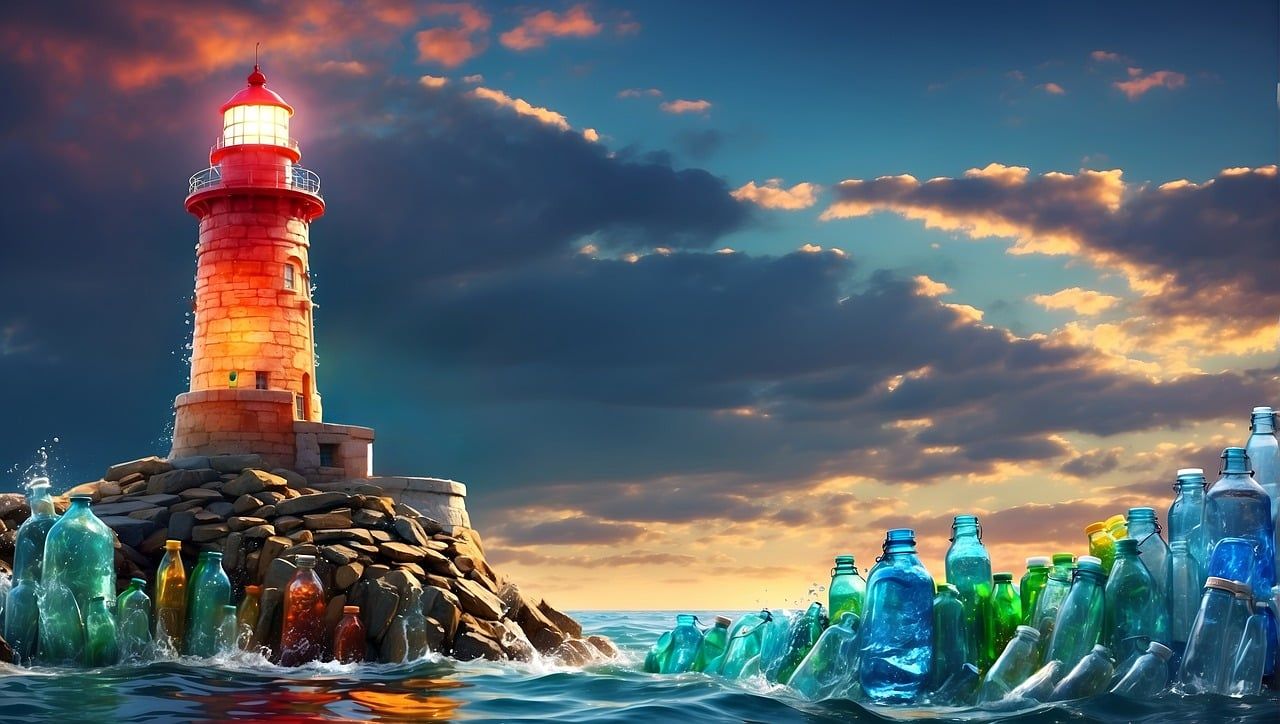
Have you noticed any changes in plastic bottle caps lately? It takes some time to get used to the fact that plastic caps are now attached to the bottle. And why this change?

This alteration in the way we produce caps and hold bottles is intended to improve the environment, for us and for future generations. It is due to an obligation stemming from the single-use plastics directive that came into force in July 2024. The directive aims to reduce the 26 million tonnes of plastic waste generated each year in Europe. Much of this waste ends up in our seas and on our beaches: 80% of marine litter is plastic, and most of it is single-use plastic.

But why is it so important to attach the stopper to the bottle?

  • Most plastic caps are made from two similar types of plastic: polyethylene (PET) and polypropylene. Both are recyclable. It is therefore important that they are not lost. If they are attached, the recovery process will be much easier.
  • When not attached, it is very easy for the plastic cap to get lost and, instead of being recycled, it ends up degrading? the environment. In fact, plastic caps are found 2 to 3 times more often in marine litter than bottles.
  • Thousands of animals (fish, birds, turtles and dolphins…) die every year from ingesting plastic. Because of their size, the animals mistake plastic caps for food.

Some figures

  • Consumption of single-use plastics is on the rise: demand for plastic in the EU grew from 66 million tonnes in 2009 to 84 million tonnes in 2021.
  • In 2021 alone, each European citizen generated 189 kg of packaging waste, and if no further action is taken, this figure could rise to 209 kg per person by 2030.
  • It is estimated that plastic production and incineration pumped more than 850 million tonnes of greenhouse gases into the atmosphere in 2019.

The implementation of bottle caps is a key measure to reduce the environmental impact of single-use plastics. It not only aims to reduce pollution in seas and oceans, but also to promote a circular economy, where reuse and recycling are common practice. In addition, the measure represents an opportunity for the sector to innovate, will facilitate long-term savings in waste management and will allow European companies to operate under a common regulatory framework, promoting a more efficient and competitive internal market.

With transformations like this, Europe is moving step by step towards a cleaner and more sustainable future, where businesses and citizens play a crucial role in protecting the environment.

More information: European Commission

Publicaciones relacionadas:

New rules on food transparency and sustainability European environmental liability standards under review State of the Energy Union 2021 New road charging rules adopted by Council The European Commission prolongs the block exemption regulation in the motor vehicle sector

Environmental Affairs,  EU News,  Legislation,  Uncategorized oceans,  plastic pollution,  single-use plastics directive

“This is a space for debate. All comments, for or against publication, that are respectful and do not contain expressions that are discriminatory, defamatory or contrary to current legislation will be published”.

Reader Interactions

Leave a Reply Cancel reply

Your email address will not be published. Required fields are marked *

This site uses Akismet to reduce spam. Learn how your comment data is processed.

Primary Sidebar

Footer

  • CDE Almería
  • Biblioteca Nicolás Salmerón – Universidad de Almería
  • Planta: 1ª, Despacho: 1.05.0B.
  • Ctra. Sacramento s/n. Almería (Spain)
  • Teléfono: (+34) 950 015266

HOME
NEWS
DOCUMENTATION
EUROPE ON THE NET
ABOUT US

  • LEGAL NOTICE
  • PRIVACY POLICY
  • COOKIE POLICY
  • ACCESSIBILITY
  • SITEMAP

Copyright © 2026 CDE Almería · Creative Commons LicenseThis work is licensed under a Creative Commons Attribution-NonCommercial 4.0 International License.

<p>El Centro de Documentación Europea de la Universidad de Almería utiliza cookies propias y de terceros para facilitar al usuario la navegación en su página Web y el acceso a los distintos contenidos alojados en la misma. Asimismo, se utilizan cookies analíticas de terceros para medir la interacción de los usuarios con el sitio Web. Pinche el siguiente enlace si desea información sobre el uso de cookies y como deshabilitarlas. </p>

Politica de privacidad

El Centro de Documentación Europea de la Universidad de Almería utiliza cookies propias y de terceros para facilitar al usuario la navegación en su página Web y el acceso a los distintos contenidos alojados en la misma. Asimismo, se utilizan cookies analíticas de terceros para medir la interacción de los usuarios con el sitio Web. Pinche el siguiente enlace si desea información sobre el uso de cookies y como deshabilitarlas. <a href="/politica-de-cookies" rel="noopener" target="_blank">Más información</a>

Cookies estrictamente necesarias

Las cookies estrictamente necesarias tiene que activarse siempre para que podamos guardar tus preferencias de ajustes de cookies.

Básicamente la web no funcionara bien si no las activas.

Estas cookies son:

  • Comprobación de inicio de sesión.
  • Cookies de seguridad.
  • Aceptación/rechazo previo de cookies.
Cookies de terceros

Esta web utiliza Google Analytics, Google Tag Manager y Yandex Metrika para recopilar información anónima tal como el número de visitantes del sitio, o las páginas más populares.

Dejar estas cookies activas nos permite mejorar nuestra web.

Política de cookies

Pinche el siguiente enlace si desea información sobre el uso de cookies y como deshabilitarlas. Más información