
Why waste spent coffee grounds after the coffee has been made? An EU-backed company now uses them to make a bio-based plastic film.
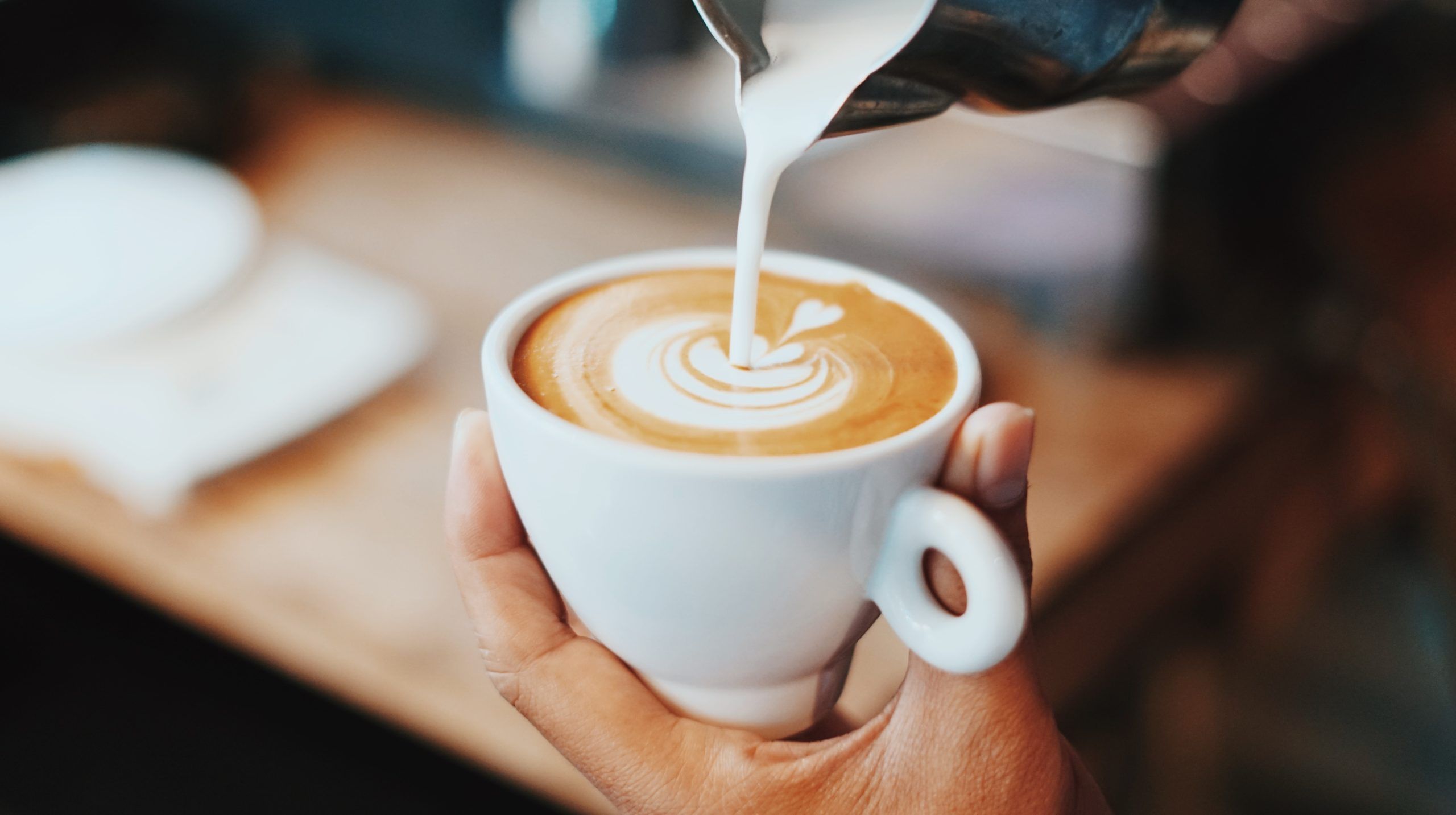
The world’s love of coffee results in millions of tonnes of used coffee grounds being dumped in landfills every year. They decompose and emit methane, one of the major causes of global warming.
To prevent this waste from ending up in landfills and to contribute to the circular economy, Spanish plastics technology centre AIMPLAS has produced a plastic film from spent coffee grounds, transforming this waste material into a valuable product. This effort is part of the EU-funded WaysTUP! project that has been working to establish new value chains for the use of urban biowaste.
“WaysTUP! is a clear example of how biowaste can play an important role in the transition towards a circular economy by avoiding biowaste generation and harnessing its potential as a source of high-value secondary resources,” observes Dr Nuria López in a blog posted on the company’s website. Dr Lopez is a senior researcher at WaysTUP! project partner AIMPLAS. “In our case, we’re transforming coffee waste into plastic film for packaging,” she explains.
AIMPLAS’s bio-based plastic film is produced with polyhydroxyalkanoates (PHAs) originating from used restaurant coffee grounds collected by WaysTUP! project partner bio-bean in the United Kingdom. PHAs are a group of biodegradable polyesters produced in nature by microorganisms. As reported in the blog post, “AIMPLAS first formulated the PHA so it could be processed by extrusion and then manufactured the film, which can be used in different types of flexible packaging.”
Zero pollution: Improved quality and access to drinking water |
Not only for PHAs
In addition to using spent coffee grounds for PHA production, WaysTUP! partners have also found other uses for this waste product. bio-bean is producing coffee oil from it. Spanish biotech company Biopolis is extracting flavours, polyphenols, oils and carotenoids from spent coffee grounds provided by project coordinator Agricultores de la Vega de València. Italian partner Novamont is producing long-chain dicarboxylic acids (LCDCAs) that are needed to synthesise polyesters.
However, WaysTUP! is not only focusing on coffee. It is showcasing a range of processes transforming urban biowaste to high-value bio-based products, starting from different feedstocks. Meat by-products (e.g. blood, bones, meat trimmings, skin, fatty tissues, horns, hoofs, feet, skulls, viscera) are being used to produce enzymes for tendering and active peptides. Fish waste, including heads, tails, skin, entrails and fins, is serving as feedstock to produce active peptides and gelatine. Source-separated biowaste from households is also being used to produce protein-rich flour for animal feed and biosolvents. PHAs, LCDCAs and bioplastics are being made with used cooking oils. Cellulosic rejection material from waste and wastewater treatment plants are being converted into bioethanol and biosolvents. Last but not least, sewage sludge is being used to produce biochar, a charcoal made through the thermal decomposition of biomass.
Taking a broader approach to promoting a circular economy, WaysTUP! (Value chains for disruptive transformation of urban biowaste into biobased products in the city context) has also been working to improve citizens and local communities’ awareness of the importance of urban biowaste as a resource. It has furthermore encouraged active citizen participation in the collection of urban biowaste.
Source: CORDIS
Publicaciones relacionadas:
 Greek island Tilos picks up award for clean energy transition
 Sustainable supplies of raw materials is crucial for EU industry
 Lend a helping hand with drying river networks
 European Green Deal: Commission proposes to strengthen the protection of the environment through criminal law
 CO2 the culprit in southern hemisphere temperature drop millions of years ago
Leave a Reply