
Did you know that the path towards sustainable fisheries starts in space?
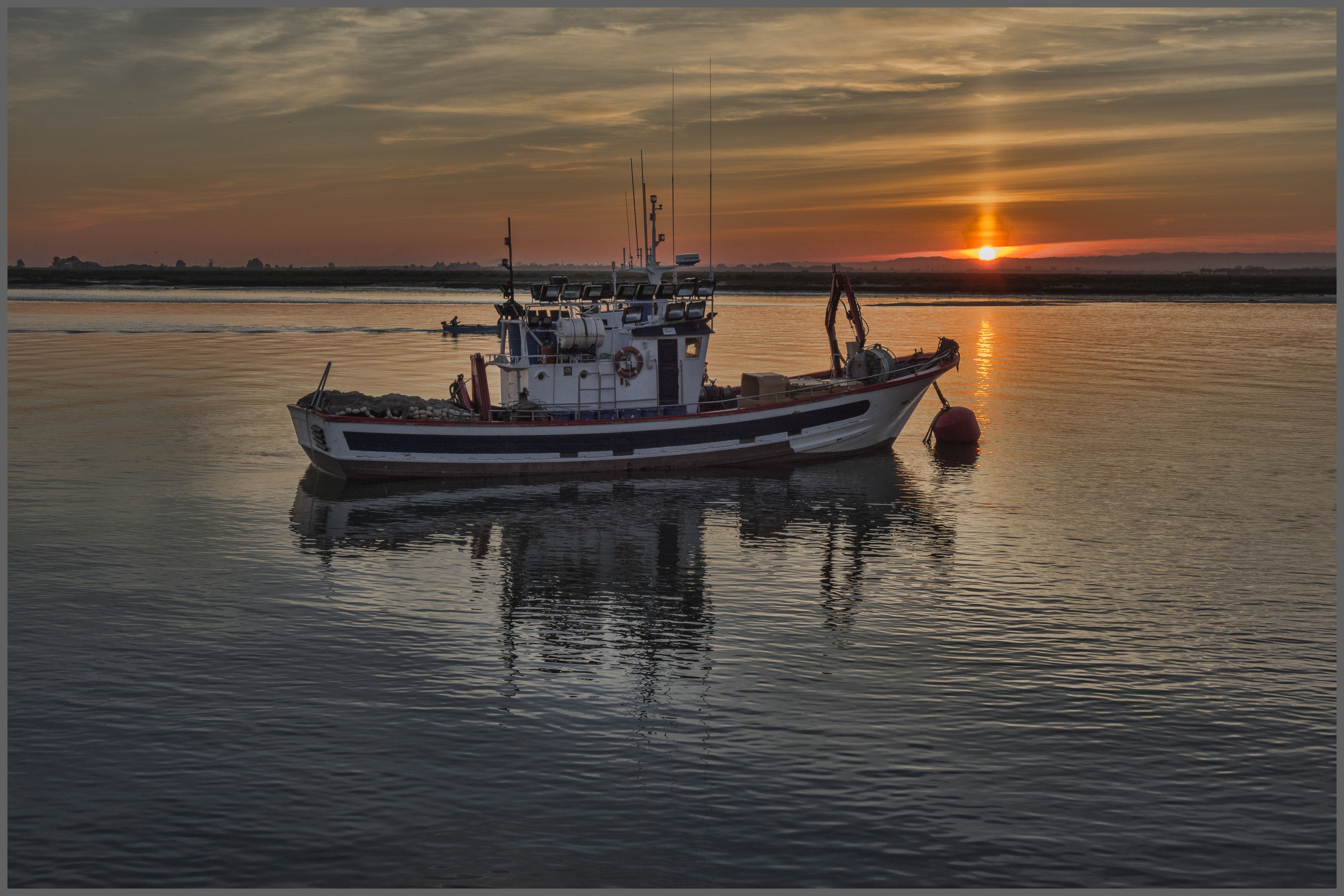
“From the characterisation of fishing areas and activity to accessing environmental risks and inspecting infrastructure, Earth Observation data is a game-changing tool for sustainable fisheries and aquaculture,” says Nuno Grosso, a senior engineer at Deimos, the project coordinator. According to the EU Agency for the Space Programme (EUSPA), Earth Observation (EO) is the process of gathering information about the Earth’s surface, waters and atmosphere via ground-based, airborne, and/or satellite remote sensing platforms. The acquired data can be processed and analysed to extract different types of information that is then used to monitor and assess the status of – and changes in – natural and human-made environments. With the support of the EU-funded NextOcean project, Deimos is using this data to develop a range of fisheries and aquaculture related services for the public and private sectors. “By making EO intelligence more accessible and widely adopted across the fishery and aquaculture industries, NextOcean can drive better decision making, providing valuable insights into the performance and impact of those sectors,” adds Grosso, who serves as the project coordinator.
Practical solutions built on Copernicus data
Using the data provided by Copernicus, Europe’s Earth Observation programme, together with other sources, the project has delivered a range of services and solutions tailored to the unique needs of the fisheries and aquaculture sectors. One of those solutions uses satellite and vessel identification data to help public authorities and enforcing agencies identify and monitor those vessels that may be involved in illegal activities. Another solution, called Fish Farm Impacts, harnesses the power of advanced drift modelling to track the dispersion of fish farm materials, such as equipment fragments and fish feed oils. “By accurately predicting the trajectory and spread of materials, this service helps fish farmers take proactive measures to minimise the environmental impact of these materials, ultimately promoting sustainable aquaculture practices and protecting the delicate balance of marine ecosystems,” explains Grosso. Each of the services was developed in close collaboration with Alpha and Beta users, thus ensuring the solutions meet the actual needs of intended customers. They were also demonstrated within a fully commercial and operational environment, being evaluated by a range of different end-user profiles.
A one-stop-shop for the fisheries and aquaculture sectors
In addition to the individual services, the project also created the NextOcean online marketplace, a platform where relevant EO-based services can be bought and sold without any human intervention. From a service providers perspective, the NextOcean marketplace provides a simple, automated, and cost-effective platform for selling individual or bundled EO-based services globally. For consumers, the platform serves as a user-friendly, one-stop-shop for quickly accessing a range of accurate, high resolution, and competitively priced services. The online marketplace currently hosts 10 operational services. Users can access the services via an automatised dashboard that allows them to place orders for specific areas of interests and retrieve the desired data in just a few simple steps. “The NextOcean marketplace is now fully operational and ready to fulfil commercial leads from customers, who can then leverage the power of Earth Observation to make sustainable aquaculture and fisheries a reality,” concludes Grosso.
More Information: CORDIS
Publicaciones relacionadas:
 Council updates EU fishing rights for 2022 to reflect agreement with UK
 Negative trends for the Spanish fishing fleet
 EU requests consultations under the Trade and Cooperation Agreement on UK permanent closure of sandeel fisheries
 Commission proposes first fishing quotas for 2025 in the Mediterranean and the Black Sea
 Commission proposes fishing opportunities for 2025
Leave a Reply