
The European Commission has published a Eurobarometer survey showing young Europeans’ growing commitment to democracy and their views on the subject. The survey also reveals their perceptions of the main concerns facing young people, such as employment and the cost of living, as well as the impact of the EU on their daily lives, youth policies and intergenerational equity. These findings come as preparations are under way for the EU Youth Strategy for the period after 2027.
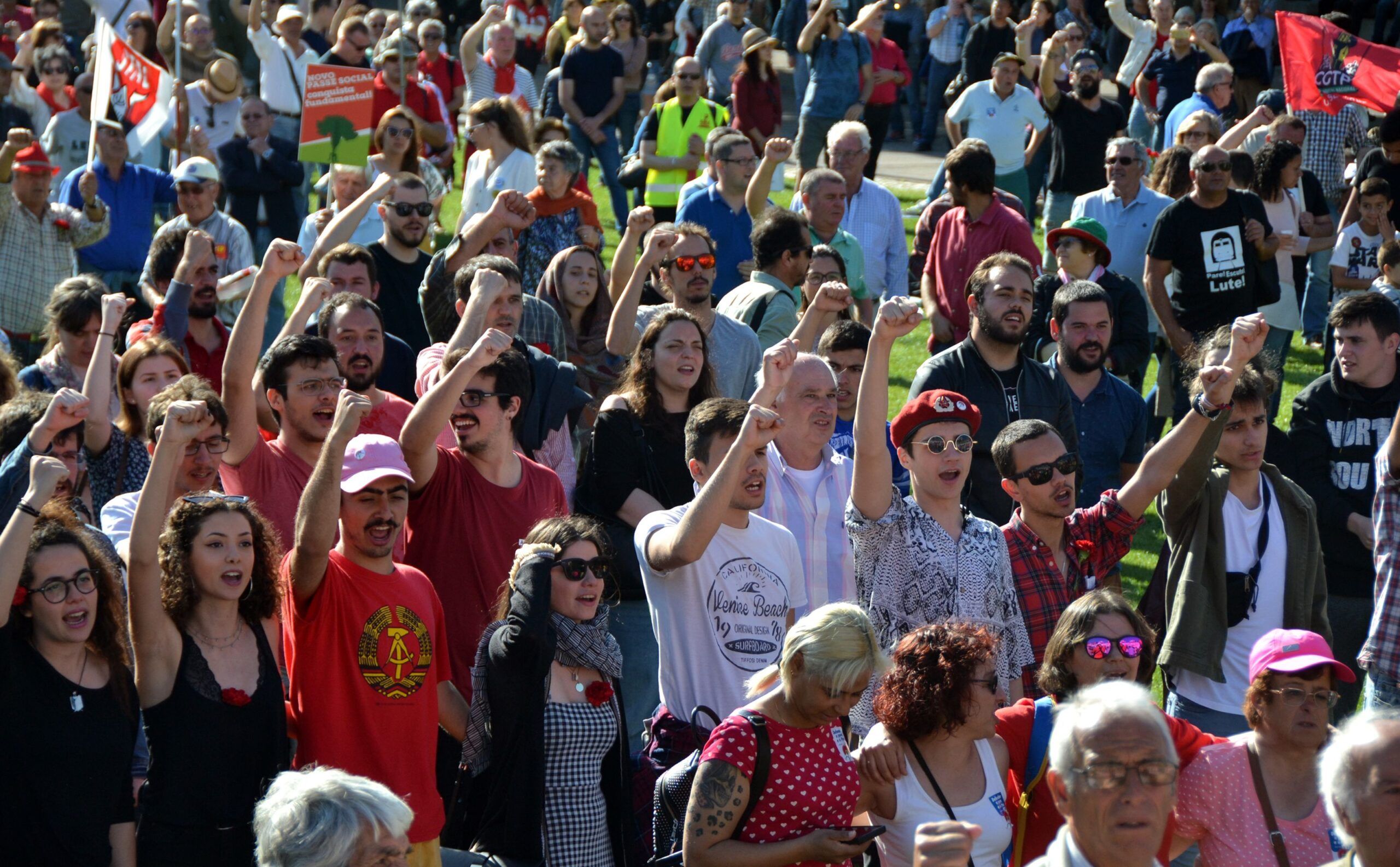
The survey, which targeted those aged between 15 and 30, reveals a growing sense of engagement amongst young people. 75 per cent of young people have taken part in the activities of one or more organisations in the last twelve months, compared with 64 per cent in 2024. These activities are most frequently organised by a sports club (26 per cent) or a youth club or youth organisation (20 per cent). The majority (55 per cent) of young people surveyed said they had taken part in at least one initiative aimed at bringing about social change in the past year, compared with 48 per cent in 2024.
A large number of young Europeans — 60 per cent (17 percentage points more than in a similar survey in 2024) — say they have taken part in activities in another EU country, such as studying, cultural and sporting exchanges, and volunteering.
The survey is being published as part of the Commission’s ‘Protect What Matters – Our Democracy’ campaign, which encourages citizens to play an active role in shaping EU democracy. A dedicated European citizens’ panel, comprising one-third of people aged between 16 and 29, is drawing up recommendations on fostering democratic resilience in Europe.
The Eurobarometer also shows that a large majority of respondents (75 per cent) believe that the measures taken by the EU have an impact on their daily lives. When asked what they expect from the EU for their generation, young people most frequently mention peacekeeping (33 per cent), the fight against poverty and economic and social inequalities (32 per cent) and increasing employment opportunities for young people (31 per cent).
Furthermore, young people across the EU want youth policies to focus first and foremost on the real problems they face, such as employment opportunities and the cost of living (40 per cent). This takes precedence over ensuring that young people and youth organisations have a say in decision-making (32 per cent), providing financial support for youth programmes and initiatives (32 per cent) and ensuring that young people are aware of the policies and opportunities available to them (29 per cent).
Finally, young people see voting in elections and participating on social media as the most effective ways to make their voices heard, cited by 33 per cent and 32 per cent of respondents, respectively.
Background:
The Flash Eurobarometer on Youth and Democracy was carried out between 19 June and 1 July 2026, targeting a representative sample of 26,806 young people aged between 15 and 30 across the 27 Member States. The survey was carried out using computer-assisted web interviews (CAWI).
The findings come at a crucial time, as the Commission prepares for the next phase of the EU’s youth policy. The results of this Eurobarometer will contribute to the ongoing debate on the EU Youth Strategy for the period after 2027, providing evidence on how young Europeans view participation in democratic life, mobility, intergenerational equity and the EU’s role in shaping their future.
More information: European Commission
Publicaciones relacionadas:
 EYE2025 (European Youth Event): thousands to celebrate the power of democracy
 Toy safety: new standards to protect children’s health
 Parliament proposes limiting access to social networking sites to under-16s
 Europeans are doing more physical activity, according to the latest Eurobarometer survey
 New Eurobarometer survey shows young people’s active participation in civic and democratic life ahead of the upcoming European elections
Leave a Reply