
MEPs in the Trade Committee voted on Monday to support a loan of up to €35 billion to Ukraine as the EU’s contribution to the G7’s support initiative.
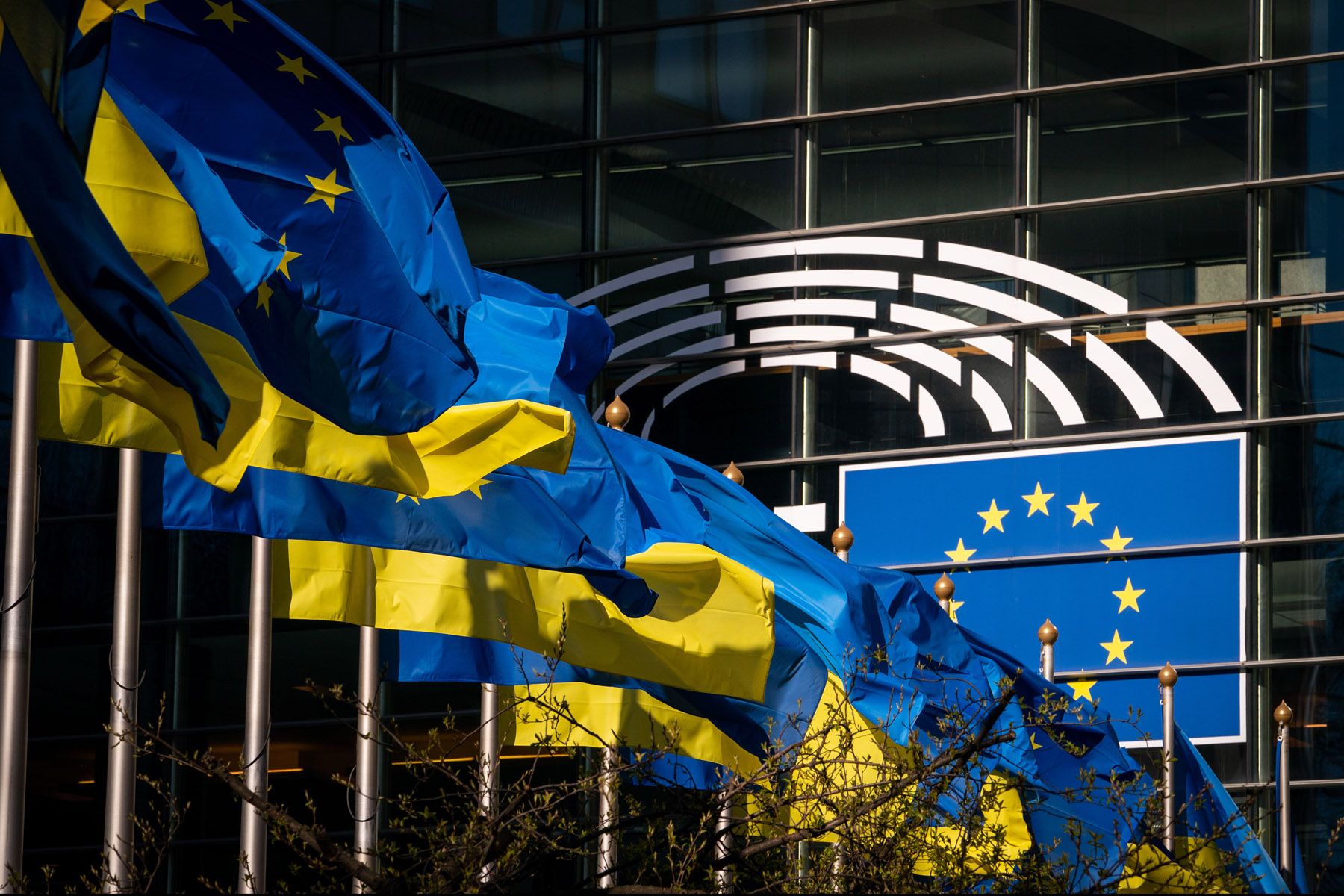
The Trade Committee voted by 31 in favour, 4 against and no abstentions on the Commission proposal to support Ukraine with an exceptional Macro-Financial Assistance (MFA) loan of up to €35 billion. This is the EU’s contribution under the G7’s initiative to support Ukraine with up to $50 billion (approximately €45 billion) to address Ukraine’s urgent financing needs in the face of Russia’s brutal war of aggression.
The repayment of this exceptional MFA loan and of the loans from other G7 countries will come from the extraordinary revenues made from immobilised Russian Central Bank assets, and enabled by the Ukraine Loan Cooperation Mechanism, newly established under the Commission’s proposal.
The future revenues from frozen Russian assets, as well as possible contributions from EU member states and other countries, are set to be made available to Ukraine through the mechanism in order to assist the country in repaying the exceptional MFA loan, as well as loans from other G7 partners considered as eligible by the Commission. These funds will only be used for servicing and repaying eligible loans and the MFA loan.
The new MFA loan is undesignated, allowing Ukraine to allocate the funds as it deems appropriate. The management and control systems outlined in the Ukraine Plan, along with specific measures to prevent fraud and other irregularities, will also apply to the MFA loan. The new MFA funds will be made available by the end of 2024, and disbursed until the end of 2025. The MFA loan is conditional upon Ukraine’s continued commitment to uphold effective democratic mechanisms, respect human rights, and further policy conditions to be set out in a memorandum of understanding.
Quote
”Using profits from immobilised Russian assets sends a clear signal that the burden of rebuilding Ukraine must be shouldered by those responsible for its destruction, namely Russia. The new macro-financial assistance and loan cooperation mechanism supports Ukraine to maintain important basic functions in society. Making Russia pay is an important step. Ukraine is not only fighting for its own existence and freedom, but also ours. This proposal underscores the EU’s unwavering commitment to Ukraine’s sovereignty and economic resilience,” rapporteur Karin Karlsbro (Renew, SE) said.
Next steps
Parliament is expected to vote on the proposal during its 21-24 October session. The Council endorsed the proposal last week, and it plans to adopt the regulation by written procedure after Parliament’s vote. The regulation is expected to enter into force on the day after its publication in the Official Journal of the EU.
Background
In September, the Commission announced a €35 billion EU loan for Ukraine as part of a plan by G7 partners to issue loans of up to $50 billion (€45 billion). Future revenues coming from the frozen Russian state assets would finance the loans. Approximately 210 billion euros assets from the Central Bank of Russia are held in the EU and have been frozen under sanctions imposed over Moscow’s invasion of Ukraine in February 2022. EU governments decided to set aside the extraordinary revenues from these assets, and use them to support both military efforts and reconstruction in Ukraine. Setting up the Ukraine Loan Cooperation Mechanism underlines the EU’s continued support to Ukraine.
Further information: European Parliament
Publicaciones relacionadas:
 EU extends individual sanctions over Russia’s war on Ukraine for six months
 Spring economic forecasts: Spain is expected to be the fourth fastest-growing economy in the EU
 European Semester Spring Package 2022
 23 May 2022: Macroeconomic dialogue with the social partners
 MEPs want better protection for consumers applying for loans online
Leave a Reply