
Serious traffic offences, such as excessive speeding or drink driving, should lead to EU-wide driving disqualifications.
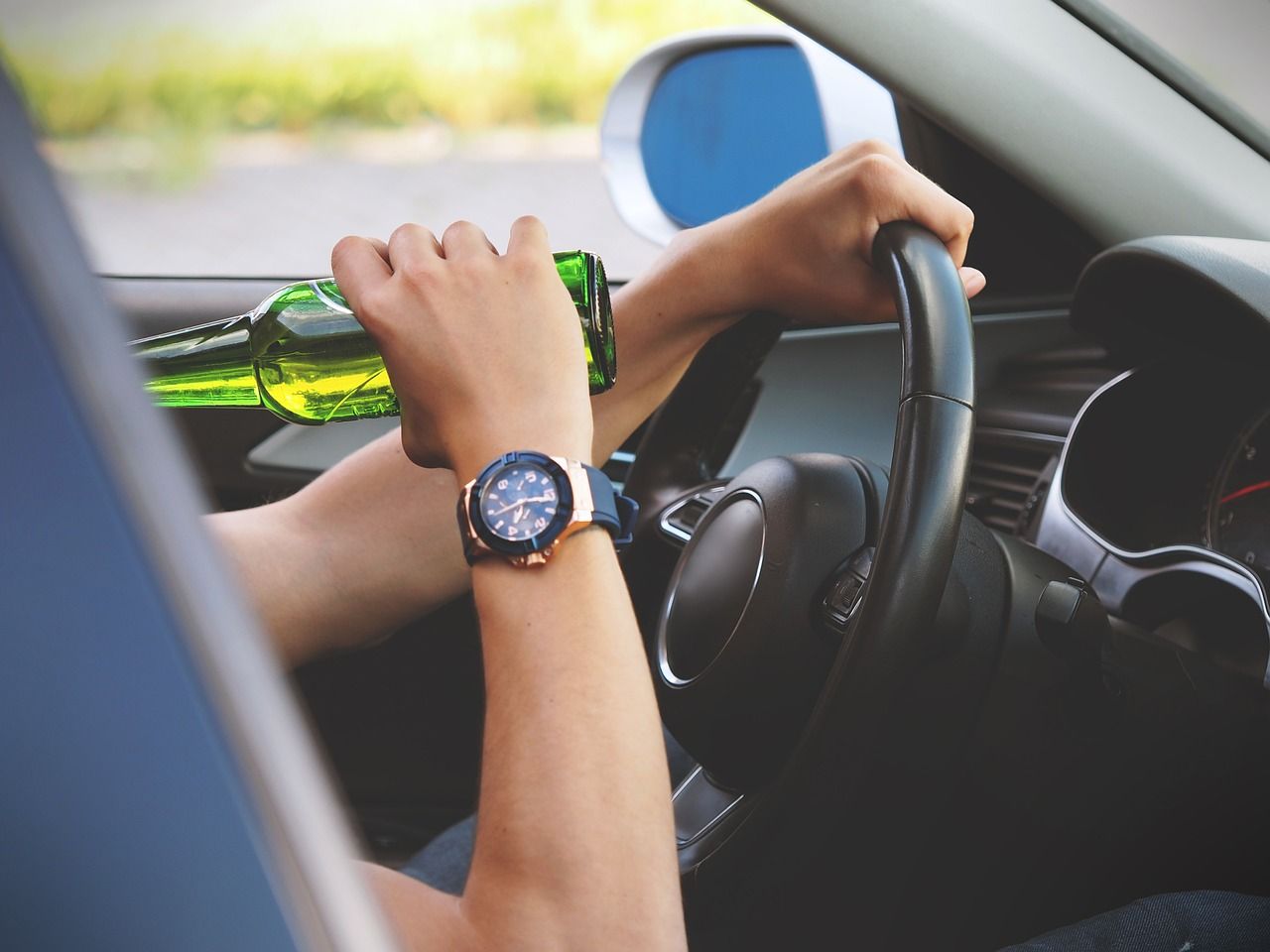
Currently, if a driver loses their licence following a traffic offence in a different EU country to the one which issued their licence, in most cases the sanction will only be applicable in the country where the offence was committed, and entail no restrictions in the rest of the EU.
To ensure that suspension, restriction or withdrawal of a non-resident’s driving licence is applied across all EU countries, the new rules demand that this decision is passed on to the EU country which issued the driving licence.
Dangerous offences
MEPs suggest to add driving without a valid licence to the list of severe traffic offences, such as drink driving or fatal traffic accident, which would trigger the exchange of information on driving disqualification. Driving 50 km/h faster than the speed limit is also one of the severe traffic offences that could result in driving disqualification. MEPs set a lower speed limit for residential areas, meaning that driving above the speed limit by 30 km/h on those roads could result in a driver losing their licence or having it suspended.
Timelines
Parliament suggests to put a deadline of ten working days for EU countries to inform each other about decisions on driver disqualification and another deadline of 15 working days to decide if a driving disqualification will apply throughout the EU. The driver concerned should be informed of a final decision within seven working days, MEPs add.
Quote
EP rapporteur Petar Vitanov (S&D, BG) said: “I am positive this directive will not only help reduce road accidents, but it will also contribute to better awareness among citizens about more responsible driving and a willingness to follow the rules and accept the consequences of breaking them, no matter where in the EU we drive.”
Next steps
The draft rules on European Union-wide effect of certain driving disqualifications were adopted by 372 votes to 220 and 43 abstentions. Parliament has now closed its first reading and as the Council has not yet adopted its position, the new Parliament to be elected in June 2024 will continue the work on this law.
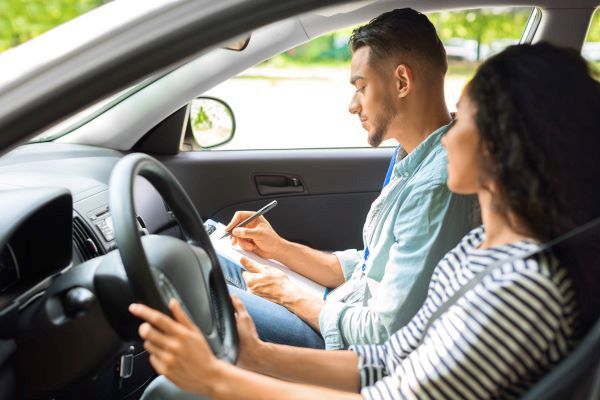
Road safety: Updated requirements for driving licences |
Background
The driving disqualification rules are part of the Road safety package presented by the Commission in March 2023. It also contains cross-border exchange of information on traffic offences rules which are currently in negotiations with Council. The package aims to improve safety for all road users and to move as close as possible to zero fatalities in EU road transport by 2050 (“Vision Zero“).
More information: European Parliament
Publicaciones relacionadas:
 Single European Sky: lowering emissions and reducing delays
 Deal confirms zero-emissions target for new cars and vans in 2035
 European Parliament approves end of combustion cars by 2035
 Fit for 55: deal on new EU rules for cleaner maritime fuels
 Agreement between the European Parliament and Council to install more recharging and refuelling stations across Europe
Leave a Reply