• Skip to primary navigation
  • Skip to main content
  • Skip to primary sidebar
  • Skip to footer
  • Bluesky
  • Facebook
  • Instagram
  • Twitter
  • YouTube
CDE Almería – Centro de Documentación Europea – Universidad de Almería

CDE Almería - Centro de Documentación Europea - Universidad de Almería

Centro de Documentación Europea de la Universidad de Almería

  • HOME
  • WHAT´S ON
    • EU NEWS
    • Activities
    • EU Calls and Awards
    • Radio Program «Europe with You»
  • DOCUMENTATION
    • EU Media Collection
      • Web Space
      • MEDIATHEQUE REPOSITORY
  • Europe on the net
    • Institutions
    • EU Representation in Spain
    • European information network of Andalusia
  • ABOUT US
    • Presentation
    • Services
    • People
    • Contact
  • Spanish
  • English

The European Parliament on Tuesday approved new measures to minimise emissions of several greenhouse gases

Inicio » Noticias UE » Environmental Affairs » The European Parliament on Tuesday approved new measures to minimise emissions of several greenhouse gases

19 de January de 2024

With 457 votes in favour, 92 against and 32 abstentions, MEPs endorsed a deal reached with the Council to further cut emissions from fluorinated gases.
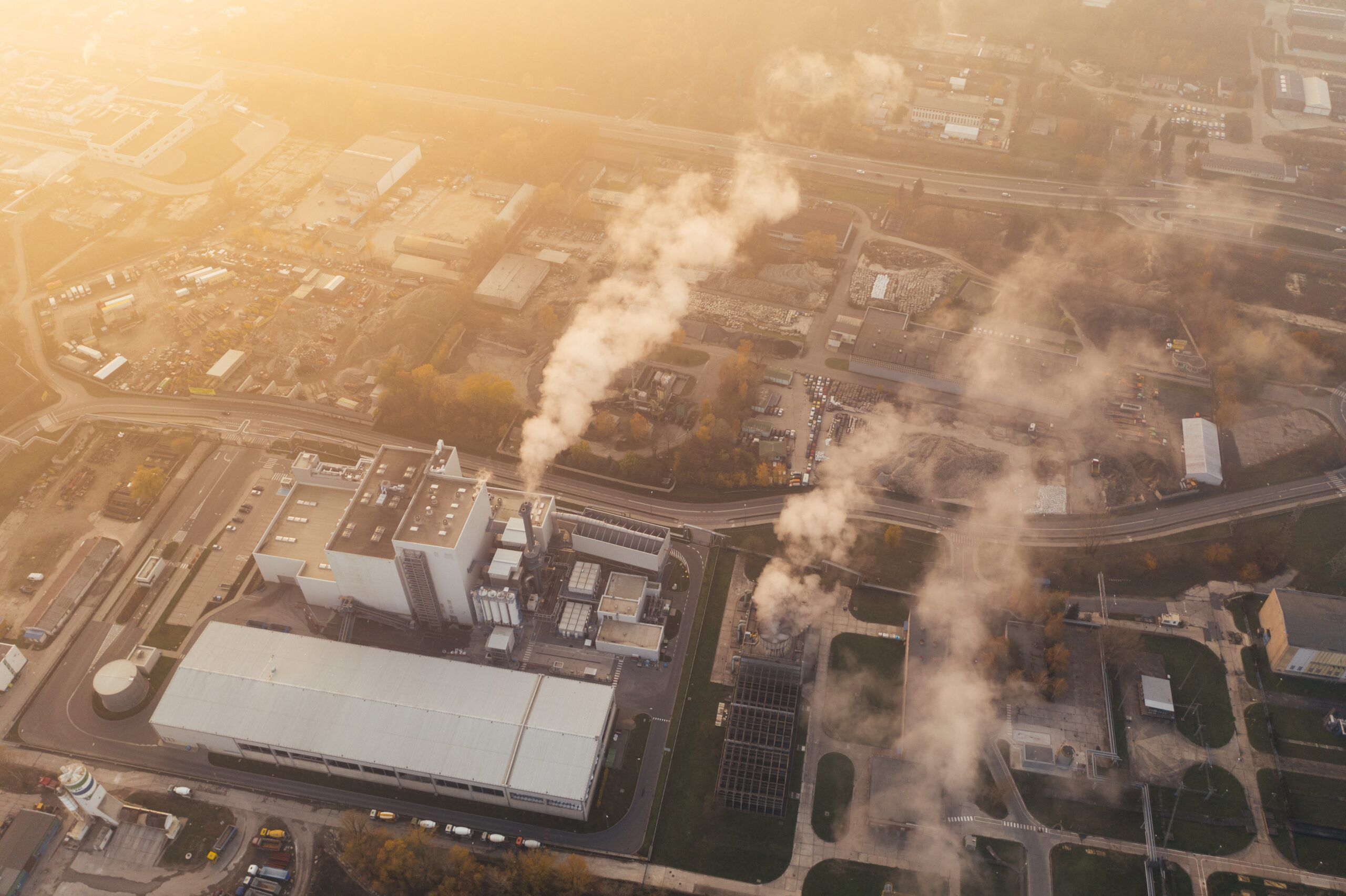
The text foresees a total phase-out of hydrofluorocarbons (HFCs) by 2050, including a trajectory to reduce the EU consumption quota between 2024-2049. It introduces strict requirements that prohibit placing on the EU market products containing F-gases and specific phase-out dates for the use of F-gases in sectors where it is technologically and economically feasible to switch to alternatives that do not use F-gases, such as domestic refrigeration, air conditioning and heat pumps.

The deal on reducing emissions of ozone-depleting substances (ODS) was adopted with 538 votes in favour, eight against and 13 abstentions. The law introduces requirements to recover and recycle such substances in building materials during renovations (found in particular in insulation foams), which is the main source of remaining ODS emissions in the EU. It also introduces strict exemptions for their use as feedstock (to produce other substances, for example in the pharmaceutical or chemical industry), as process agents, in laboratories and for fire protection.

The EU’s goal is to drastically reduce greenhouse gases

Next steps

Following the final votes in plenary, the Council will now have to formally endorse the texts before their publication in the EU Official Journal.

Background

Fluorinated greenhouse gases, such as hydrofluorocarbons, perfluorocarbons, sulphur hexafluoride and nitrogen trifluoride (used in refrigerators, air-conditioning, heat pumps, fire protection, foams or electrical switchgear equipment) and ozone-depleting substances, such as halons (used in fire extinguishers), methyl bromide (to control pests) and hydrochlorofluorocarbons (used in fridges and air-conditioning systems) are man-made greenhouse gases (GHG) with high global warming potential. Emissions from these gases must be reduced further in order to contribute to EU climate objectives and comply with international agreements (the Montreal Protocol and the related Kigali Amendment).

In adopting this report, Parliament is responding to citizens’ expectations for the EU to support the shift to a sustainable and resilient growth model and promote greener production processes, as expressed in proposal 11(1) of the conclusions of the Conference on the Future of Europe.
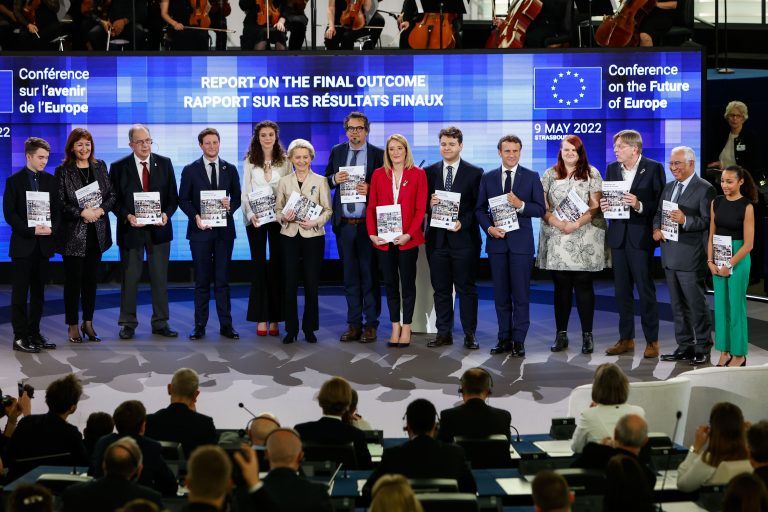
The Conference on the Future of Europe concludes its work

More information: European Parliament

Publicaciones relacionadas:

European environmental liability standards under review emisiones de gases contaminantes en una ciudadCouncil and Parliament reach provisional deal on EU emissions trading system and the Social Climate Fund Default ThumbnailBiodiversity loss: Impact and EU measures Complex network of European and global developments impacts sustainability Europe’s resilience: halting biodiversity loss and building a healthy and sustainable food system


Environmental Affairs,  EU News,  Uncategorized 8th Environment Action Programme,  emissions,  Environment,  fluorinated gases,  gases fluorados,  gases fluorados,  global climate goals,  Greenhouse gases,  Medio Ambiente,  ozone-depleting substances,  Reducing

“This is a space for debate. All comments, for or against publication, that are respectful and do not contain expressions that are discriminatory, defamatory or contrary to current legislation will be published”.

Reader Interactions

Leave a Reply Cancel reply

Your email address will not be published. Required fields are marked *

This site uses Akismet to reduce spam. Learn how your comment data is processed.

Primary Sidebar

Footer

  • CDE Almería
  • Biblioteca Nicolás Salmerón – Universidad de Almería
  • Planta: 1ª, Despacho: 1.05.0B.
  • Ctra. Sacramento s/n. Almería (Spain)
  • Teléfono: (+34) 950 015266

HOME
NEWS
DOCUMENTATION
EUROPE ON THE NET
ABOUT US

  • LEGAL NOTICE
  • PRIVACY POLICY
  • COOKIE POLICY
  • ACCESSIBILITY
  • SITEMAP

Copyright © 2026 CDE Almería · Creative Commons LicenseThis work is licensed under a Creative Commons Attribution-NonCommercial 4.0 International License.

<p>El Centro de Documentación Europea de la Universidad de Almería utiliza cookies propias y de terceros para facilitar al usuario la navegación en su página Web y el acceso a los distintos contenidos alojados en la misma. Asimismo, se utilizan cookies analíticas de terceros para medir la interacción de los usuarios con el sitio Web. Pinche el siguiente enlace si desea información sobre el uso de cookies y como deshabilitarlas. </p>

Politica de privacidad

El Centro de Documentación Europea de la Universidad de Almería utiliza cookies propias y de terceros para facilitar al usuario la navegación en su página Web y el acceso a los distintos contenidos alojados en la misma. Asimismo, se utilizan cookies analíticas de terceros para medir la interacción de los usuarios con el sitio Web. Pinche el siguiente enlace si desea información sobre el uso de cookies y como deshabilitarlas. <a href="/politica-de-cookies" rel="noopener" target="_blank">Más información</a>

Cookies estrictamente necesarias

Las cookies estrictamente necesarias tiene que activarse siempre para que podamos guardar tus preferencias de ajustes de cookies.

Básicamente la web no funcionara bien si no las activas.

Estas cookies son:

  • Comprobación de inicio de sesión.
  • Cookies de seguridad.
  • Aceptación/rechazo previo de cookies.
Cookies de terceros

Esta web utiliza Google Analytics, Google Tag Manager y Yandex Metrika para recopilar información anónima tal como el número de visitantes del sitio, o las páginas más populares.

Dejar estas cookies activas nos permite mejorar nuestra web.

Política de cookies

Pinche el siguiente enlace si desea información sobre el uso de cookies y como deshabilitarlas. Más información