
The Spanish presidency of the Council aims to make further progress in achieving a European policy in the field of space and to specify and strengthen the role of the European Union as a benchmark in the space industry.
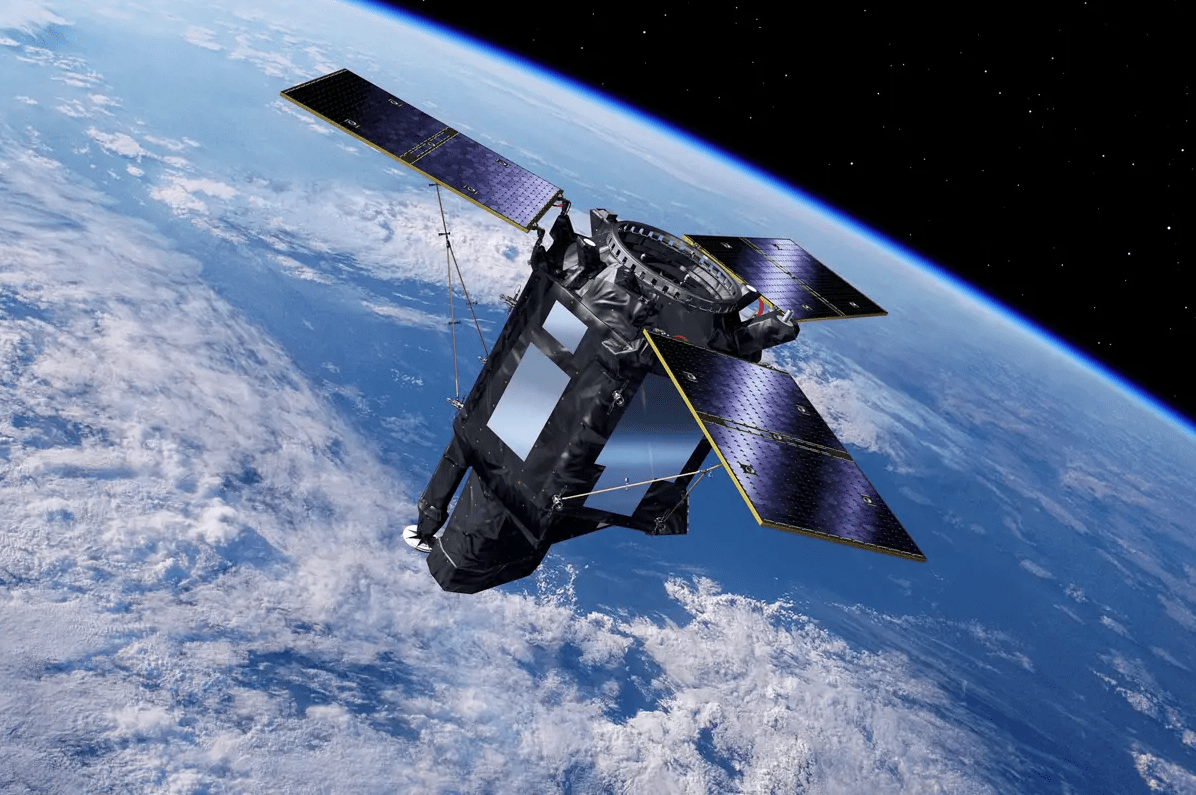
During this presidency, Council Conclusions are sought to be adopted on space traffic management (STM), a key element for greater security in outer space.
The presidency is also working on Council Conclusions on the Space Strategy for Security and Defence (SSSD) in the European Union.
All these issues will be addressed at the informal ministerial meeting on space to be held in Seville on 7 November in the Navigation Pavilion, built for the 1992 Universal Exhibition.
The Andalusian capital, which has been chosen as the European Space Capital for 2024, will also debate the green and sustainable use of space, as well as its resilience and competitive industrialisation.
Cooperation with the European Space Agency and CELAC
In the same context, European space ministers will meet with the heads of the European Space Agency (ESA), currently chaired by Germany and comprising a total of 17 of the 27 countries that make up the EU.
And to close the day there will also be a meeting between the ministers of the EU and those of the Community of Latin American and Caribbean States (CELAC), in which new forms of cooperation between the two regions in the field of space will be sought.
For the Spanish Presidency of the Council, the aim is to establish a high-level dialogue between Europe and the CELAC countries to discuss how to strengthen the strategic space partnership and what the main challenges and needs are, in addition to establishing the programmes, instruments and forms of financing to achieve these objectives.
Ensuring a safe and sustainable space
The European Union is seeking to develop a space traffic management (STM) approach to ensure that space activities are safe and sustainable.
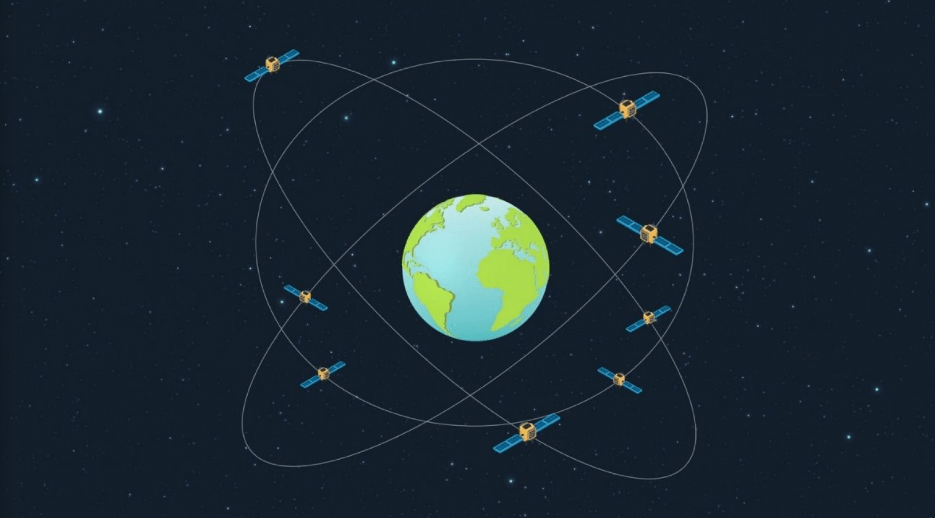
Since the start of the space race, some 6,400 launches have put 15,700 satellites into orbit, of which 8,300 are currently operational.
According to the Council of the European Union, the number of satellites and the amount of debris in space are constantly increasing, which is congesting space and endangering the security of the space assets of the EU and its member states.
European Union launches three new missions in space |
Just this year, coinciding with the Spanish six-month presidency, the Council adopted Conclusions entitled “Fair and Sustainable Use of Space”, which include a call for a European approach to space traffic management, at a time when orbits are becoming increasingly congested with space objects.
According to the document approved by the Council, space is a common universal asset that should be open for exploration and use by all states.
Member states and the Commission are also called upon to continue to implement the 21 voluntary Guidelines for the Long-term Sustainability of Outer Space Activities adopted by the United Nations.
Spain now has its own Space Agency
Seville will be the head office of the Spanish Space Agency, which, according to the Ministry of Science and Innovation, must unify all the country’s space policies and effectively coordinate services and activities in the sector to guarantee the Government of Spain’s strategic action in relation to space.
The Spanish Space Agency, which began its work in 2023, has an initial budget of more than 700 million euros this year and will employ 75 highly-qualified people with strong professional backgrounds.
The acting Minister for Science and Innovation, Diana Morant, has pointed out that this agency will bring space closer to the public and, to this end, will have a Space and Society Office, dedicated to awakening the vocations of young people, especially women.
It will also be an interlocutor with the European Space Agency (ESA) and other space agencies, such as NASA in the United States, and will become a node for public-private partnership, supporting the existing space sector and fostering the creation of new aerospace companies.
More information: Spanish Presidency of the Council of the European Union
Publicaciones relacionadas:
 European Union launches three new missions in space
 New plan to support green and digital transition and EU recovery
 Towards safe and sustainable use of space and a vision for Copernicus
 New Roaming rules for travellers in the EU
 European Commission lays the groundwork to make gigabit connectivity available to all citizens and businesses across the EU
Leave a Reply