
Clean water is essential for humans and healthy ecosystems. Find out what the EU and European Parliament are doing to safeguard it.
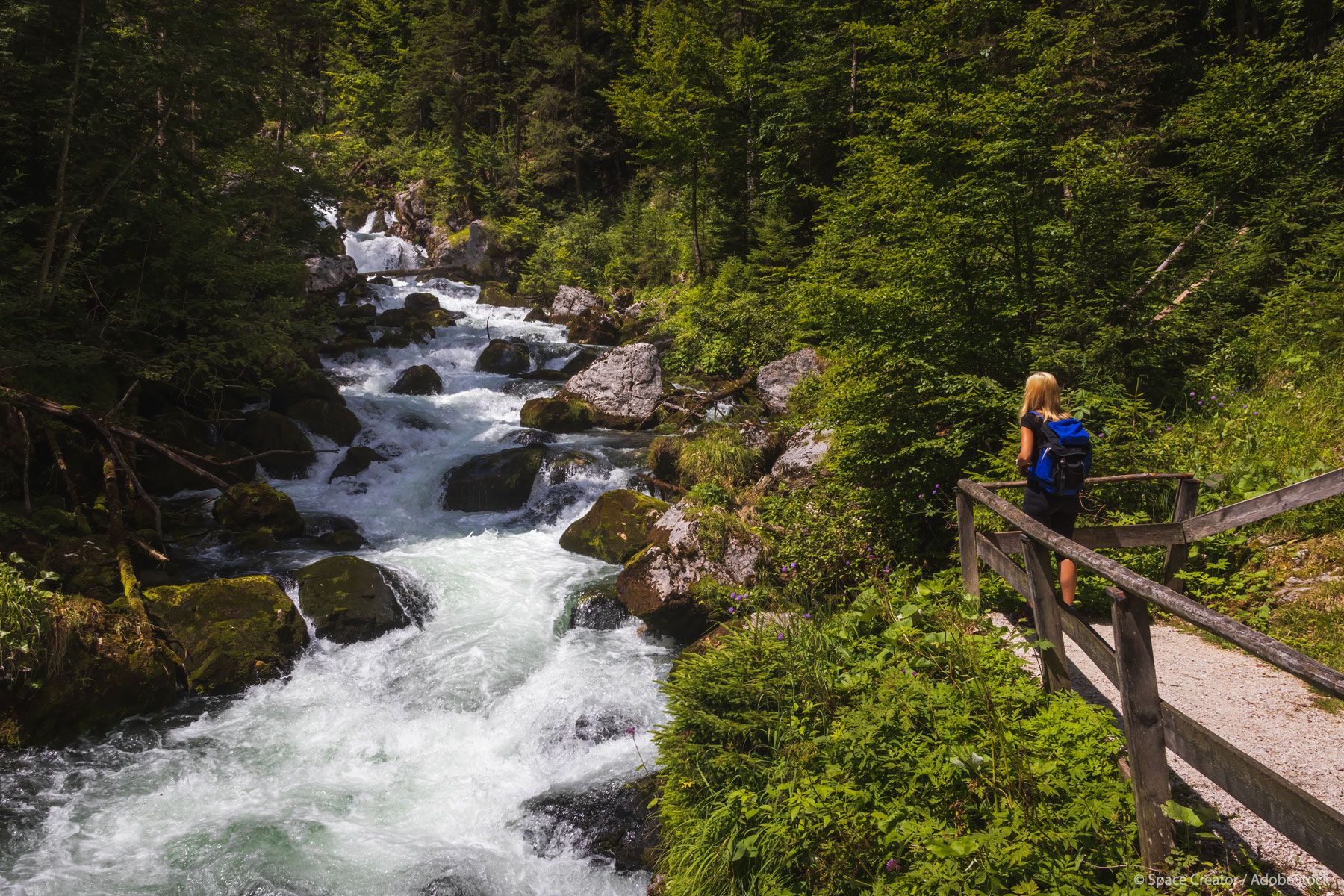
According to the European Environment Agency, water pollution in the EU decreased between the 1990s and 2010s. However, progress has slowed with pollution in 58% of surface water since 2016. In addition, only 42% of surface water bodies and 77% of groundwater are rated as having “good chemical status”.
In its 2020 resolution on the implementation of EU water legislation, the European Parliament called on the European Commission to take all necessary measures to ensure good chemical status can be achieved more widely and to take decisive EU-wide action when EU countries fail to meet environmental quality standards. The resolution stressed that substances affecting drinking water, such as per- and polyfluoroalkyl substances and some pharmaceuticals, should be a priority for monitoring.
In line with the European Green Deal’s zero pollution ambition, the Commission tabled a proposal in October 2022 to revise the watch lists of surface water and groundwater pollutants to be monitored and controlled to protect freshwater bodies. The proposal also seeks to remedy shortcomings identified in the current framework as regards chemical pollution in waters and to enable swifter adaptation to scientific developments.
Definitions
Groundwater is found underground in the cracks and spaces in soil, sand and rock (for example artesian wells, artificial wells, springs).
Surface water is any body of water above ground, including streams, rivers, lakes, wetlands, reservoirs, and creeks

Eurobarometer: Europeans seriously worried about air quality and call for stronger action
|
What Parliament is proposing
In June 2023, Parliament’s environment committee adopted its position on protecting groundwater and surface waters from pollution and improving water quality standards. The new law revises the Water Framework Directive, the Groundwater Directive and the Environmental Quality Standards Directive (Surface Water Directive). The aim is to better protect human health and natural ecosystems from pollutants.
Expanding the watch list
MEPs propose that the watch list of pollutants should not be limited to a maximum of substances as proposed by the Commission. They want it to be regularly updated to keep up with new scientific evidence and the fast-evolving pace of emerging new chemicals.
MEPs want a number of substances to be added to the watch list as soon as suitable monitoring methods are identified, including microplastics.
Preventing groundwater pollution
To better protect ground water, MEPs demand that the threshold values – which are quality standards to assess the chemical status – are 10 times lower for groundwater than those for surface water.
They also want a subset of specific per- and polyfluoroalkyl substances to be added to the list of groundwater pollutants, as these substances have been detected at more than 70% of the groundwater measuring points in the EU. MEPs want stricter standards for glyphosate, bisphenol, atrazine, pharmaceuticals and pesticides.
Polluters should pay
The report also says producers of products containing polluting substances should contribute to the monitoring costs.
More information: European Parliament
Publicaciones relacionadas:
 Cutting emissions from planes and ships: EU actions explained
 Eurobarometer: Europeans seriously worried about air quality and call for stronger action
 The CJEU concludes that purchasers of cars affected by “dieselgate” will be entitled to compensation.
 European Council adopts regulation on CO2 emissions from new passenger cars and vans
 Agroecology: 14 EU-funded projects that are helping to shape the future of agriculture
Leave a Reply