• Skip to primary navigation
  • Skip to main content
  • Skip to primary sidebar
  • Skip to footer
  • Bluesky
  • Facebook
  • Instagram
  • Twitter
  • YouTube
CDE Almería – Centro de Documentación Europea – Universidad de Almería

CDE Almería - Centro de Documentación Europea - Universidad de Almería

Centro de Documentación Europea de la Universidad de Almería

  • HOME
  • WHAT´S ON
    • EU NEWS
    • Activities
    • EU Calls and Awards
    • Radio Program «Europe with You»
  • DOCUMENTATION
    • EU Media Collection
      • Web Space
      • MEDIATHEQUE REPOSITORY
  • Europe on the net
    • Institutions
    • EU Representation in Spain
    • European information network of Andalusia
  • ABOUT US
    • Presentation
    • Services
    • People
    • Contact
  • Spanish
  • English

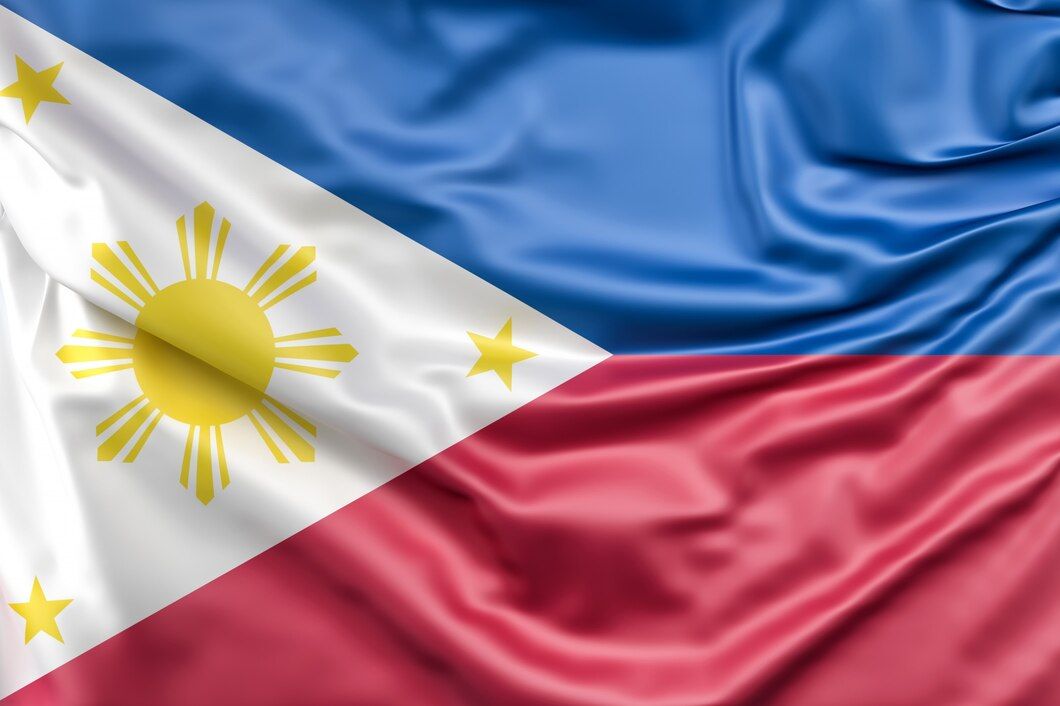
Philippines: European Union to deploy Election Observation Mission

Inicio » Noticias UE » Asuntos Institucionales » International Politics and Cooperation » Philippines: European Union to deploy Election Observation Mission

14 de March de 2025

High Representative/Vice President of the European Commission (HR/VP) Kaja Kallas has decided to deploy an EU Election Observation Mission (EOM) to observe the mid-term elections in the Republic of the Philippines on 12 May 2025.

Following an invitation by the Philippines’ Commission on Elections, this will be the first deployment of an EOM in the country, marking a step toward stronger EU-Philippines relations.

HR/VP Kallas has appointed Marta Temido, Member of the European Parliament, as Chief Observer.

Ahead of the deployment, Chief Observer, Marta Temido, said: “It will be a privilege to lead the 2025 EU Election Observation Mission to the Philippines. I look forward to meeting and engaging with representatives of State institutions, political parties, candidates, civil society, and other electoral stakeholders in the Philippines.”

Background

The EU Election Observation Mission (EOM) will provide a comprehensive, independent, and impartial assessment of the electoral process based on international and regional standards for democratic elections.

The EU EOM´s mandate is to assess the electoral process in line with the Philippines’ national legal framework, as well as with the international and regional standards that the country has signed up to regarding democratic elections.

The mission will issue a preliminary statement and hold a press conference after the elections. A final report, including recommendations for future electoral processes, will be presented and shared with stakeholders after the finalisation of the entire electoral process.

More information Diplomatic Service of the European Union.

Publicaciones relacionadas:

Día Internacional de la mujerInternational Women’s Day 2020: Beijing Declaration 25 years after EU-UK future relations: crucial to ensure EU leverage and unity Statement of the Foreign Affairs Council about the crisis in Idlib and the situation at the EU external borders with Turkey Efficient contact tracing applications to support the lifting of confinement measures COVID-19: EU emergency measures to help farmers and fishermen



Institutional Affairs,  International Politics and Cooperation Filipinas

“This is a space for debate. All comments, for or against publication, that are respectful and do not contain expressions that are discriminatory, defamatory or contrary to current legislation will be published”.

Reader Interactions

Leave a Reply Cancel reply

Your email address will not be published. Required fields are marked *

This site uses Akismet to reduce spam. Learn how your comment data is processed.

Primary Sidebar

Footer

  • CDE Almería
  • Biblioteca Nicolás Salmerón – Universidad de Almería
  • Planta: 1ª, Despacho: 1.05.0B.
  • Ctra. Sacramento s/n. Almería (Spain)
  • Teléfono: (+34) 950 015266

HOME
NEWS
DOCUMENTATION
EUROPE ON THE NET
ABOUT US

  • LEGAL NOTICE
  • PRIVACY POLICY
  • COOKIE POLICY
  • ACCESSIBILITY
  • SITEMAP

Copyright © 2026 CDE Almería · Creative Commons LicenseThis work is licensed under a Creative Commons Attribution-NonCommercial 4.0 International License.

<p>El Centro de Documentación Europea de la Universidad de Almería utiliza cookies propias y de terceros para facilitar al usuario la navegación en su página Web y el acceso a los distintos contenidos alojados en la misma. Asimismo, se utilizan cookies analíticas de terceros para medir la interacción de los usuarios con el sitio Web. Pinche el siguiente enlace si desea información sobre el uso de cookies y como deshabilitarlas. </p>

Politica de privacidad

El Centro de Documentación Europea de la Universidad de Almería utiliza cookies propias y de terceros para facilitar al usuario la navegación en su página Web y el acceso a los distintos contenidos alojados en la misma. Asimismo, se utilizan cookies analíticas de terceros para medir la interacción de los usuarios con el sitio Web. Pinche el siguiente enlace si desea información sobre el uso de cookies y como deshabilitarlas. <a href="/politica-de-cookies" rel="noopener" target="_blank">Más información</a>

Cookies estrictamente necesarias

Las cookies estrictamente necesarias tiene que activarse siempre para que podamos guardar tus preferencias de ajustes de cookies.

Básicamente la web no funcionara bien si no las activas.

Estas cookies son:

  • Comprobación de inicio de sesión.
  • Cookies de seguridad.
  • Aceptación/rechazo previo de cookies.
Cookies de terceros

Esta web utiliza Google Analytics, Google Tag Manager y Yandex Metrika para recopilar información anónima tal como el número de visitantes del sitio, o las páginas más populares.

Dejar estas cookies activas nos permite mejorar nuestra web.

Política de cookies

Pinche el siguiente enlace si desea información sobre el uso de cookies y como deshabilitarlas. Más información