
TheJoint Communication on Humanitarian Aid adopted today sets out how the EU will continue to be a reliable and principled donor within a global aid system under severe pressure.
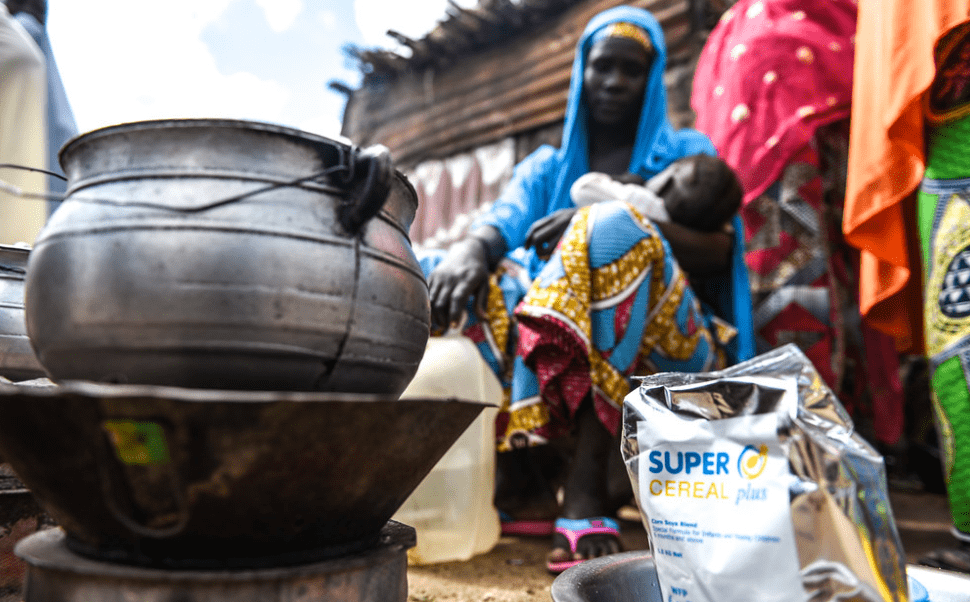
Photo: European Union/Samuel Ochai
Humanitarian needs have reached unprecedented levels: 239 million people worldwide require assistance. However, current global humanitarian funding is barely enough to help half of those in need, leaving millions without vital support. The number of crises and their duration are increasing, whilst budget cuts and insecurity are making the delivery of humanitarian aid increasingly difficult.
The European Commission and the High Representative are responding with concrete solutions to ensure that principled humanitarian aid reaches those in need around the world. This is based on three pillars: protect, act and collaborate.
The President of the European Commission, Ursula von der Leyen, stated: “As the world’s leading humanitarian donor, the European Union continues to uphold the dignity of those in need, as well as that of those who risk their lives to help them. With this package of measures, we are ensuring that life-saving aid is delivered more efficiently, even in the most challenging environments. At the same time, we are building resilience to reduce dependence on aid.”
Protect
The EU will take concrete steps to ensure that humanitarian assistance is delivered safely and without hindrance. This involves stepping up humanitarian diplomacy through a joint ‘Team Europe’ effort. All available tools will be used, including political and human rights dialogues, advocacy at international level, coordination in multilateral forums, as well as mediation for peace and stabilisation.
The EU will also strengthen measures and funding for the safety of humanitarian staff, ranging from the prevention of security incidents to the care of victims. The voices of those affected matter: the EU will facilitate greater involvement of local actors in the humanitarian response, empower communities and ensure that our response is inclusive for all, particularly the most vulnerable.
Implement
By reforming humanitarian supply chains, the EU will maximise value for money from procurement through to final delivery. It will also promote funding modalities that foster the efficiency and predictability of aid, as well as the dignity of beneficiaries, including cash assistance, preventive action, multi-year funding, pooled funds and support for local actors. Collective services that facilitate the delivery of humanitarian aid will also be strengthened, including high-quality, shared data on people’s needs.
Couple
The EU will support resilience and peace, and provide durable solutions to reduce dependence on humanitarian aid. The EU will work more closely with international financial institutions, the private sector and philanthropic organisations to find innovative ways to fund vulnerable areas and those most in need, helping them to transition from fragility to resilience. The European Humanitarian Team can achieve more by working together, and options for pooling resources more effectively will also be explored.
Fund
The international humanitarian system has been deeply shaken by the outbreak of armed conflict and the dire humanitarian situation in Gaza, Ukraine and Sudan, and severe funding cuts are affecting all aspects of humanitarian work.
The number of people forcibly displaced or seeking asylum has doubled over the last decade, reaching 117.3 million in 2025. Around 20% of all children worldwide — approximately 500 million — live in or are fleeing conflict zones. Sexual and gender-based violence, including conflict-related sexual violence, has continued to rise, affecting mainly women and girls. Food insecurity and malnutrition are becoming widespread globally, and the number of people suffering from acute hunger is reaching catastrophic levels.
The European Union and its Member States provide the largest share of global humanitarian funding (35% in 2025). The European Commission alone has allocated nearly€2 billion to humanitarian aidthis year. The EU will continue to provide needs-based, inclusive and non-discriminatory assistance to save lives and preserve human dignity.
These efforts enjoy strong and consistent public support from EU citizens. In 2024, 91% of respondents to theCommission’sEurobarometersurvey considered it important for the EU to fund humanitarian aid.
Further information: European Commission.
Publicaciones relacionadas:
 EU announces €36 million in humanitarian aid to Mozambique and neighbouring countries in Southern Africa
 Commission response to the European citizens’ initiative on reducing unsafe abortion in the EU
 The Commission has presented a new Gender Equality Strategy 2026-2030 for a more equal, cohesive and prosperous Europe.
 The EU and its Member States pledge over €811 million in response to the crisis in Sudan
 The Commission welcomes the historic agreement on the revision of air passenger rights
Leave a Reply