
In a year of shrinking global aid, the EU is choosing solidarity, delivering life-saving aid and standing by international humanitarian law. This year, it will provide €123,3 million in humanitarian aid to deliver life-saving humanitarian assistance to the most vulnerable people in Latin America and the Caribbean. Part of this aid will also bolster disaster preparedness and response, given the region’s high exposure to natural hazards.
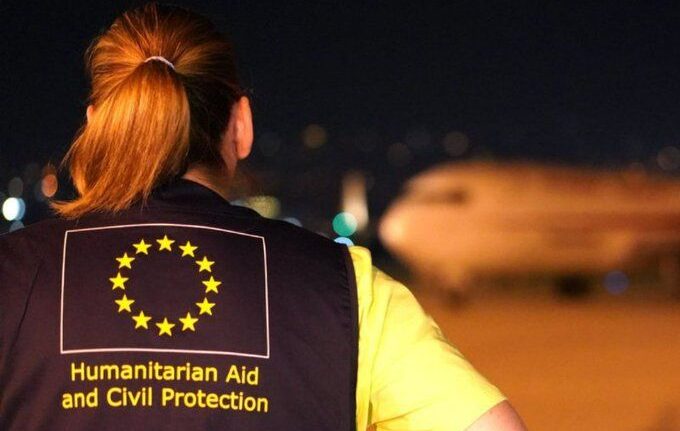
In 2025, 15.6 million people in Latin America and the Caribbean were identified as needing humanitarian assistance. In 2026, because of severe budget cuts, the revised target presented in the United Nations is set to reduce this figure by half, leaving millions without vital aid. These cutbacks underscore the critical importance of the EU humanitarian aid for the region.
€52 million will provide relief to the Venezuelan people in need in the region, wherever they are, and their host communities.
In Colombia, €17 million will mostly be allocated to support people affected by armed conflict, as well as people displaced in border areas.
Additionally, a regional allocation of over €16.3 million for the rest of South America will support disaster preparedness and response to humanitarian crises in the region.
In the Caribbean, €23 million will be used to address the humanitarian impact of escalating armed violence in Haiti, helping affected populations meet their most urgent needs. An additional €4 million will be awarded to the rest of the Caribbean, with a particular focus on the humanitarian situation in Cuba and in the Dominican Republic as well as in countries hosting refugees and asylum seekers.
Finally, €11 million will support vulnerable people affected by violence, forced displacement, and food insecurity in Central America and Mexico.
Background
Latin America and the Caribbean face complex humanitarian crises driven by factors such as armed conflicts, widespread violence, political instability, displacement, socio-economic crises and environmental hazards. Up to 21 million people are forcibly displaced in the region, with limited access to essential services like healthcare and education. Food insecurity is on the rise, while humanitarian operations are being scaled back globally due to funding cuts.
Many crises in the region are forgotten, and humanitarian response capacities are severely limited by a dramatic funding gap. Almost all the Humanitarian Response Plans in the region in 2025 were funded at less than 20%.
Furthermore, the region is the second most exposed to extreme weather events in the world, with nearly three quarters of the population living in high-risk disaster areas. In the aftermath of these events, communities are destroyed, and people are forced to flee their homes, resulting in cyclical fragility and increasing humanitarian needs.
More information: European Commission
Publicaciones relacionadas:
 EU announces €36 million in humanitarian aid to Mozambique and neighbouring countries in Southern Africa
 New measures to strengthen the EU’s humanitarian response
 Combating racial discrimination in the EU
 25 years of the Charter of Fundamental Rights – safeguarding our freedoms and values
 The Commission welcomes the historic agreement on the revision of air passenger rights
Leave a Reply