
The Council and the European Parliament reached a provisional deal on the regulation for digital labelling of fertilising products. This proposal, which amends the currently applicable legislation, aims to introduce the possibility to opt for digital label on EU fertilising products, to improve the readability of labels, leading to a more efficient use of fertilising products, and to simplify the labelling obligations for suppliers while reducing costs for the industry.
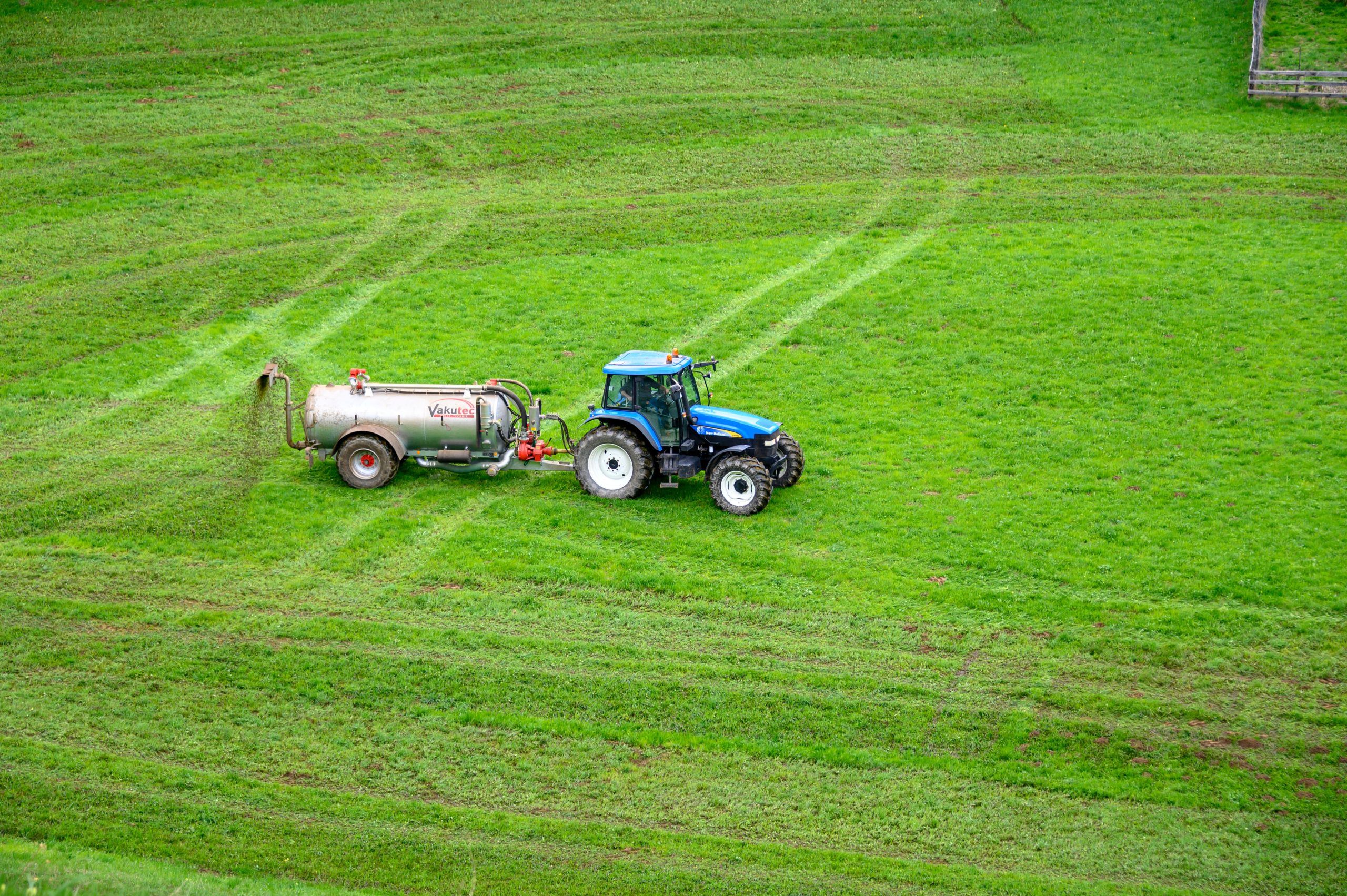
The provisional agreement reached today encourages the wider use of digital labelling while including measures to provide physical labels when they are most needed.The agreement also specifies that digital labels will be available for a period of 10 years from the moment that the product is placed on the market.
Commission proposal
The revision of this legislation proposes allowing suppliers of fertilising products to communicate labelling information in a physical format, a digital format, or a combination of the two. The Commission’s text proposes that a digital-only format will be allowed when the EU fertilising products are sold without packaging or when the products are sold to economic operators who are not end-users of the products.
Farmers and other consumers of fertilising products sold in packaging would continue to benefit from both digital and physical labels for the most important information (i.e. health and environmental protection, agronomic efficiency or contents). The Commission’s proposal prescribes the content and the technological requirements for digital labels. The economic operators would have to ensure that the digital label will be searchable, accessible, free of charge and capable of meeting the needs of vulnerable groups.
Algae can be part of healthier diets, reduce CO 2 emissions and fight water pollution
|
Main elements of the agreement
The provisional agreement reached today by the two co-legislators, promotes the wider use of digital labelling to reduce the costs, bureaucracy, and environmental footprint of producers, but ensures that consumers, including vulnerable groups or people with limited digital competences, have all the information they need through physical means.
Today’s provisional agreement allows the use of digital labels for products sold without packaging (in bulk), provided that the information of the label is also displayed in physical format in a visible place at the point of sale.
The co-legislators have decided to enlarge the availability of digital labels to a duration of 10 years from the moment that the product is placed on the market.
Finally, the provisional agreement brings back to the physical label a certain set of information about the agronomic efficiency of the fertilizing products that are described in Annex III of the regulation. The Commission would be empowered to update the general digital labelling requirements through delegated acts in the future.
Next steps
The provisional agreement reached with the European Parliament now needs to be endorsed and formally adopted by both institutions.
Background
Digital labels are QR or a bar codes that redirects the user to a web page where the information of the label is stored. Digital solutions reduce substantially the cost of labelling and at the same time makes it easy to update its content. Furthermore, the quantity and quality of the information that can be stored in a digital label is much higher compared with a physical label, whose readability can prove difficult, especially small packages. However, the level of digital literacy varies among social groups and ages, and some vulnerable groups may have difficulties to understand the functioning of digital labels or smart devices.
In the EU, digital labelling is already used for some products containing chemicals, for instance batteries, and rules for digital labelling are under consideration for other products (i.e. detergents, cosmetics and other chemicals). The simplification of labelling obligations is expected to reduce annual costs by, on average, €57 000 for a large company and €4 500 for an SME.
Up until now, regulation (EU) 2019/1009 has governed the requirements for the labelling of fertilisers. The Commission’s proposal, published on 27 February 2023, aims to improve the readability of labels, introducing the possibility to provide labelling information in a digital format.
More information: European Council
Publicaciones relacionadas:
 Europe’s priorities in the field of agriculture and fisheries
 On 2 January 2023, the law regulating the management system of the new CAP entered into force.
 Healthy Agricultural Soils: 24 EU countries coordinate unprecedented research programme
 Coronavirus: Commission announces further measures to support the agri-food sector
 EUROPEAN AGENDA: Agriculture, Livestock Farming and Fisheries
Leave a Reply