• Skip to primary navigation
  • Skip to main content
  • Skip to primary sidebar
  • Skip to footer
  • Bluesky
  • Facebook
  • Instagram
  • Twitter
  • YouTube
CDE Almería – Centro de Documentación Europea – Universidad de Almería

CDE Almería - Centro de Documentación Europea - Universidad de Almería

Centro de Documentación Europea de la Universidad de Almería

  • HOME
  • WHAT´S ON
    • EU NEWS
    • Activities
    • EU Calls and Awards
    • Radio Program «Europe with You»
  • DOCUMENTATION
    • EU Media Collection
      • Web Space
      • MEDIATHEQUE REPOSITORY
  • Europe on the net
    • Institutions
    • EU Representation in Spain
    • European information network of Andalusia
  • ABOUT US
    • Presentation
    • Services
    • People
    • Contact
  • Spanish
  • English

New chapter in the cooperation between Europe and Canada

Inicio » EU News » Institutional Affairs » International Politics and Cooperation » New chapter in the cooperation between Europe and Canada

25 de June de 2025

The European Union and Canada have concluded a Security and Defence Partnership and launched cooperation initiatives in industrial policy and digital trade during a bilateral summit held yesterday.
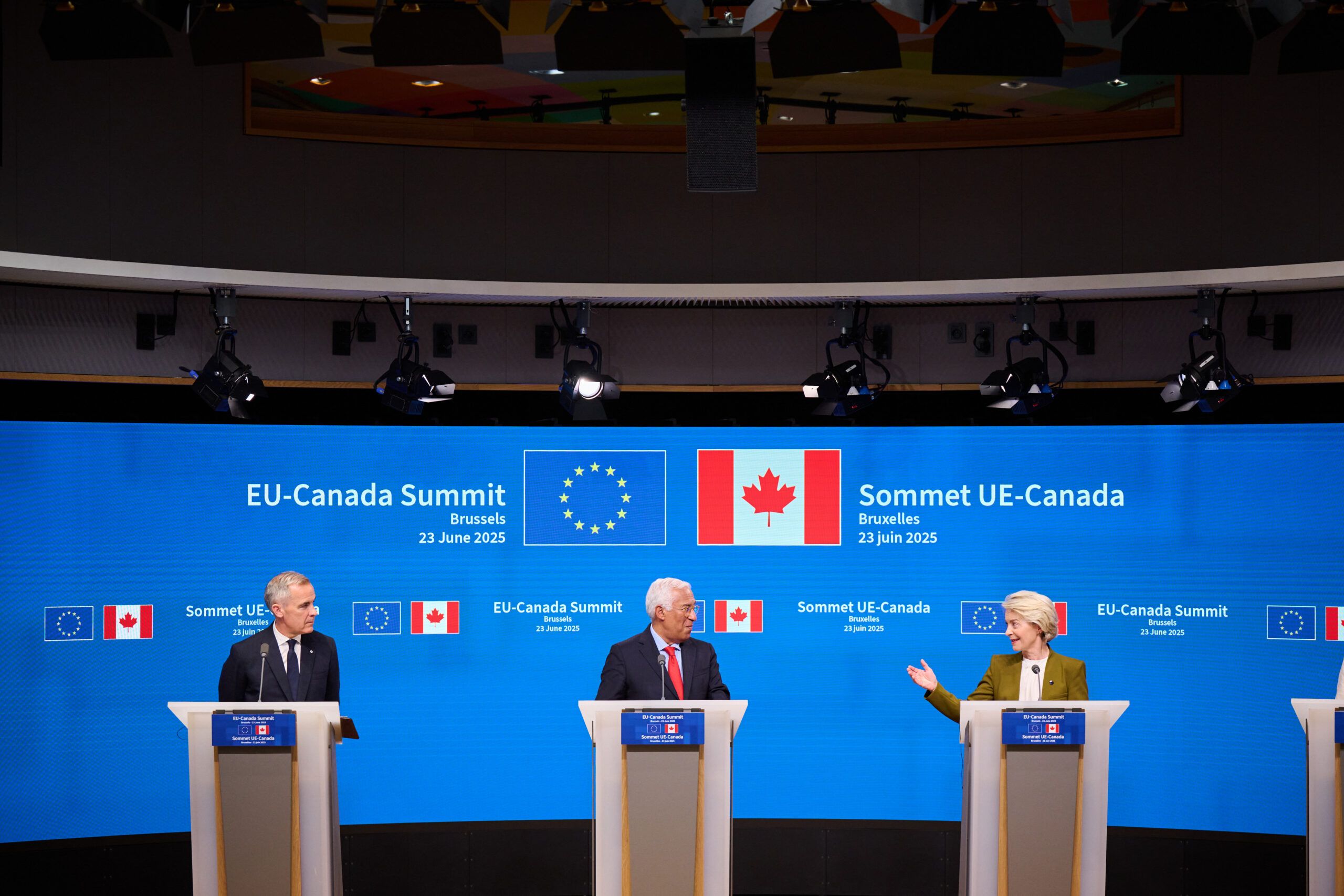


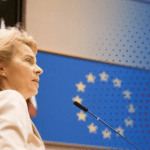
European Commission President Ursula von der Leyen and European Council President António Costa welcomed Canada’s Prime Minister Mark Carney in Brussels, days after he hosted the G7 Summit in Kananaskis.

With the new agreements, the EU and Canada entered a new phase in their already close strategic partnership.

The Security and Defence Partnership signed yesterday enables Canada to participate in joint defence procurements along with EU Member States under the SAFE instrument, reinforcing Canada’s role in the EU’s security architecture.

President von der Leyen announced that negotiations will start swiftly on a second agreement that will allow the Canadian defence industry to also take part in the joint procurements.

As the President said: “Together, we will define where our cooperation can have the most value added, and where we should channel joint investments. It will be good for our industries; it will be good for our people; and it will be good for transatlantic security, too.”

The EU and Canada also reiterated their unwavering support for Ukraine and committed to continue piling pressure on Russia to make it come to the negotiating table. They also reaffirmed their continued support for Moldova as it deals with Russia’s attempts to undermine it.

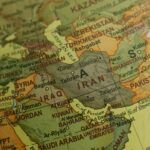
At the same time, in the midst of current developments in the Middle East, both sides called again for an immediate and permanent ceasefire in Gaza, the release of all hostages and the unimpeded access of humanitarian aid. Likewise, they called to avoid escalation between Israel and Iran, while restating that Iran cannot have nuclear weapons and that its destabilising role in the region needs to be addressed.

On trade and economy, the leaders celebrated the success of the EU-Canada Comprehensive and Economic Trade Agreement (CETA), which has led to an increase of 65% in bilateral trade in goods since its provisional entry into application.

“CETA stands as strong symbol of the power of free and fair trade. I must say, 98% of our tariff lines are at zero. I repeat it: zero,” President von der Leyen emphasised.

Building on that success, both partners committed to strengthen cooperation under their Strategic Partnership on Raw Materials and they launched an EU-Canada Industrial Policy Dialogue for government and industry representatives on both sides of the Atlantic to explore ways to reinforce common supply chains.

Furthermore, the EU and Canada agreed to start negotiations on a Digital Trade Agreement and they will explore ways to cooperate on Artificial Intelligence by aligning standards and eventually, by the participation of Canada in the EU’s AI Factories initiative.

More information: European Commission. 
Publicaciones relacionadas:

bandera eu-usaEU-US Critical Minerals Agreement EU expands scope of sanctions against Iran Communiqué Government of Spain in view of Russia’s aggression against Ukraine Deeper cooperation between EU and Japan is a vital necessity Ursula von der Leyen and European FlagUkraine, Moldova and Georgia’s perspective to become members of the EU

EU News,  Institutional Affairs,  International Politics and Cooperation Agreement,  Canada,  Colaboration,  EU,  European Commission,  internacional,  Irán,  trading,  ukraine

“This is a space for debate. All comments, for or against publication, that are respectful and do not contain expressions that are discriminatory, defamatory or contrary to current legislation will be published”.

Reader Interactions

Leave a Reply Cancel reply

Your email address will not be published. Required fields are marked *

This site uses Akismet to reduce spam. Learn how your comment data is processed.

Primary Sidebar

Footer

  • CDE Almería
  • Biblioteca Nicolás Salmerón – Universidad de Almería
  • Planta: 1ª, Despacho: 1.05.0B.
  • Ctra. Sacramento s/n. Almería (Spain)
  • Teléfono: (+34) 950 015266

HOME
NEWS
DOCUMENTATION
EUROPE ON THE NET
ABOUT US

  • LEGAL NOTICE
  • PRIVACY POLICY
  • COOKIE POLICY
  • ACCESSIBILITY
  • SITEMAP

Copyright © 2026 CDE Almería · Creative Commons LicenseThis work is licensed under a Creative Commons Attribution-NonCommercial 4.0 International License.

<p>El Centro de Documentación Europea de la Universidad de Almería utiliza cookies propias y de terceros para facilitar al usuario la navegación en su página Web y el acceso a los distintos contenidos alojados en la misma. Asimismo, se utilizan cookies analíticas de terceros para medir la interacción de los usuarios con el sitio Web. Pinche el siguiente enlace si desea información sobre el uso de cookies y como deshabilitarlas. </p>

Politica de privacidad

El Centro de Documentación Europea de la Universidad de Almería utiliza cookies propias y de terceros para facilitar al usuario la navegación en su página Web y el acceso a los distintos contenidos alojados en la misma. Asimismo, se utilizan cookies analíticas de terceros para medir la interacción de los usuarios con el sitio Web. Pinche el siguiente enlace si desea información sobre el uso de cookies y como deshabilitarlas. <a href="/politica-de-cookies" rel="noopener" target="_blank">Más información</a>

Cookies estrictamente necesarias

Las cookies estrictamente necesarias tiene que activarse siempre para que podamos guardar tus preferencias de ajustes de cookies.

Básicamente la web no funcionara bien si no las activas.

Estas cookies son:

  • Comprobación de inicio de sesión.
  • Cookies de seguridad.
  • Aceptación/rechazo previo de cookies.
Cookies de terceros

Esta web utiliza Google Analytics, Google Tag Manager y Yandex Metrika para recopilar información anónima tal como el número de visitantes del sitio, o las páginas más populares.

Dejar estas cookies activas nos permite mejorar nuestra web.

Política de cookies

Pinche el siguiente enlace si desea información sobre el uso de cookies y como deshabilitarlas. Más información