
The Russian state, and Vladimir Putin personally, bear criminal and political responsibility for the death of their strongest opponent, Alexei Navalny, say MEPs.
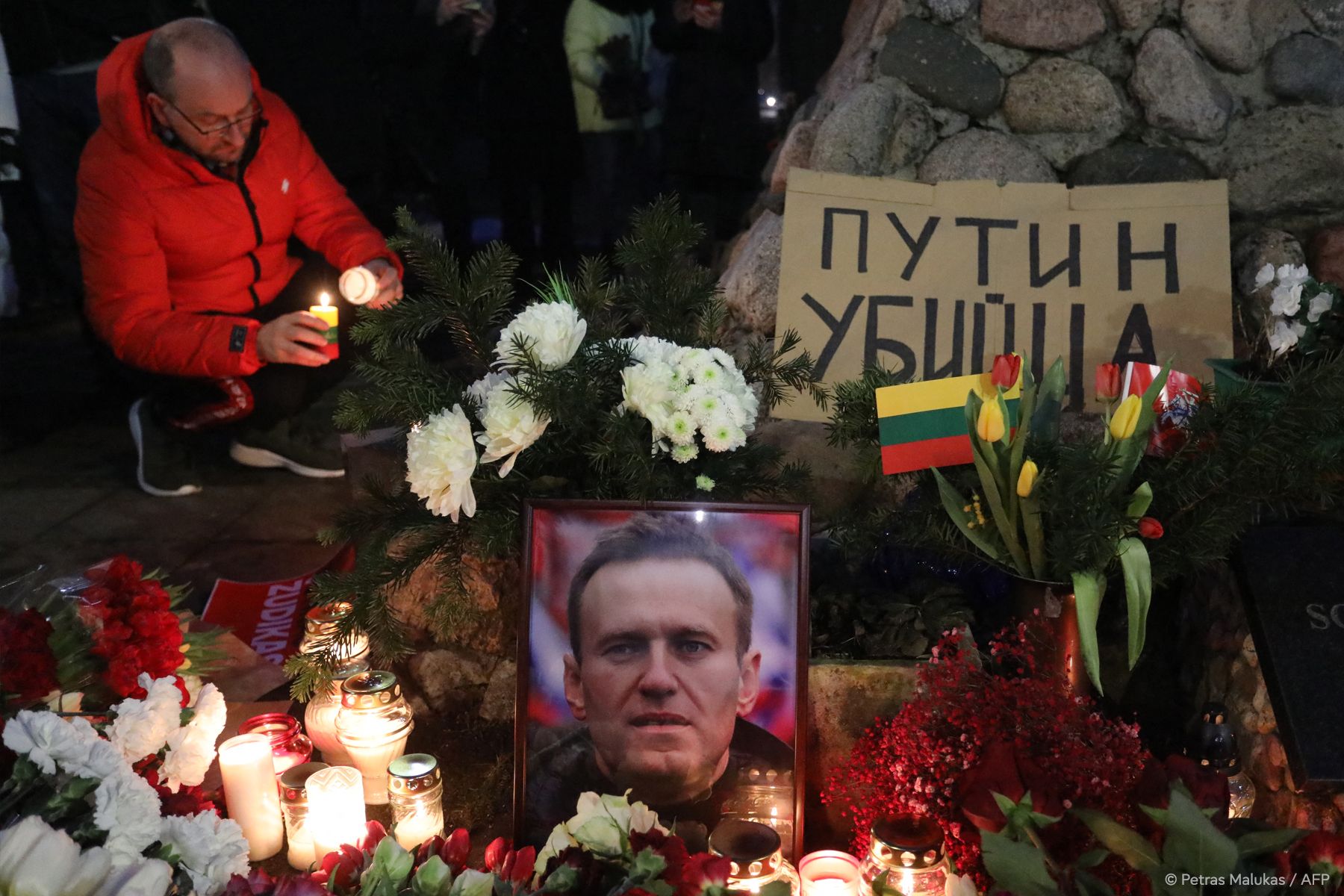
The European Parliament strongly condemns the murder of Alexei Navalny and gives its full support to Yulia Navalnaya in her determination to continue his work. In a resolution adopted on Thursday, they stress that the full criminal and political responsibility for his death lies with the Russian state, and its president Vladimir Putin in particular, who should be held accountable.
MEPs warn that the killing of Alexei Navalny is yet another sign of the increasing and systematic repression in Russia and demand an independent and transparent international investigation into his murder in order to uncover the truth, ensure accountability, and secure justice.
Russia’s political system is controlled, the resolution says, by a consolidated authoritarian regime with rampant corruption that uses rigged elections as a semblance of democracy and concentrates all power in the hands of Vladimir Putin.
Support the democratic opposition in Russia, say MEPs
Stressing that the people of Russia cannot be confused with the “warmongering, autocratic and kleptocratic regime of the Kremlin”, MEPs express their solidarity with all those in Russia and beyond who, despite the purposefully brutal repression and the severe personal consequences, continue to find the courage to speak the truth.
Alexei Navalny embodied the struggle for freedom of Russia and for democracy in Russia with his dream of a “Beautiful Russia of the future”, MEPs say, calling on the EU and its member states to continue to show unfailing solidarity and actively support independent Russian civil society and the democratic opposition.
They also urge the member states to intensify their efforts to find feasible ways of freeing those suffering imprisonment and repression, especially ill or political prisoners who have been tortured, including the option of possible prisoner exchanges.
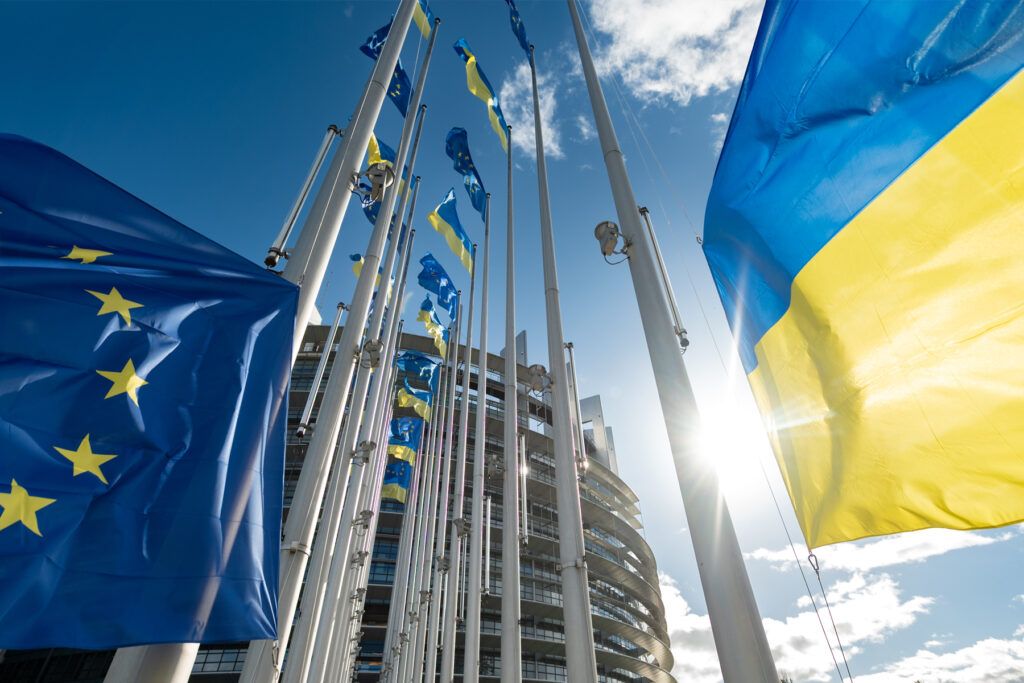
Parliament calls on the EU to give Ukraine whatever it needs to defeat Russia
|
Support for Ukraine is the best answer to Kremlin
Since the start of Russia’s full-scale invasion of Ukraine in 2022, Russian authorities have increased their repression of opposition voices in the country, warn MEPs, who want the EU, its member states and likeminded partners around the world to continue the political, economic, financial, and military support for Ukraine as the best answer to the current oppressive and aggressive practices by the Kremlin regime. Ukraine’s decisive victory may lead to genuine changes in the Russian Federation, in particular deimperialisation, decolonialisation and refederalisation, all of which are necessary conditions for establishing democracy in Russia.
Parliament calls on the Commission and in particular the European External Action Service to develop a proactive, long-term strategic policy towards Russia that effectively responds to the reality of EU-Russia relations today, the human rights situation in Russia and the needs for support of the Russian civil society and opposition representatives in exile.
The resolution was adopted by 506 votes in favour, 9 against and 32 abstentions.
More information: European Parliament
Publicaciones relacionadas:
 President Zelenskyy says Russia is a grave threat to the European way of life
 Statement by the members of the European Council after one year of Russia’s war of aggression against Ukraine
EU condemns illegitimate “elections” in occupied territories of Ukraine
EU impose new restrictive measures to Iran due to supply unmanned aerial vehicles to Russia
Statement by the members of the European Council after one year of Russia’s war of aggression against Ukraine
EU condemns illegitimate “elections” in occupied territories of Ukraine
EU impose new restrictive measures to Iran due to supply unmanned aerial vehicles to Russia
 EU leaders agreed to start accession talks with Ukraine and Moldova
Leave a Reply