
MEPs want to strengthen crisis prevention in the EU and improve support for post-disaster recovery.
On Thursday, November 12, the European Parliament adopted its position on the Union Civil Protection Mechanism (UCPM) 2028–2034. This is the EU’s main instrument for assisting Member States affected by disasters such as forest fires, floods or earthquakes, through resources mobilised on a voluntary basis and procured jointly.
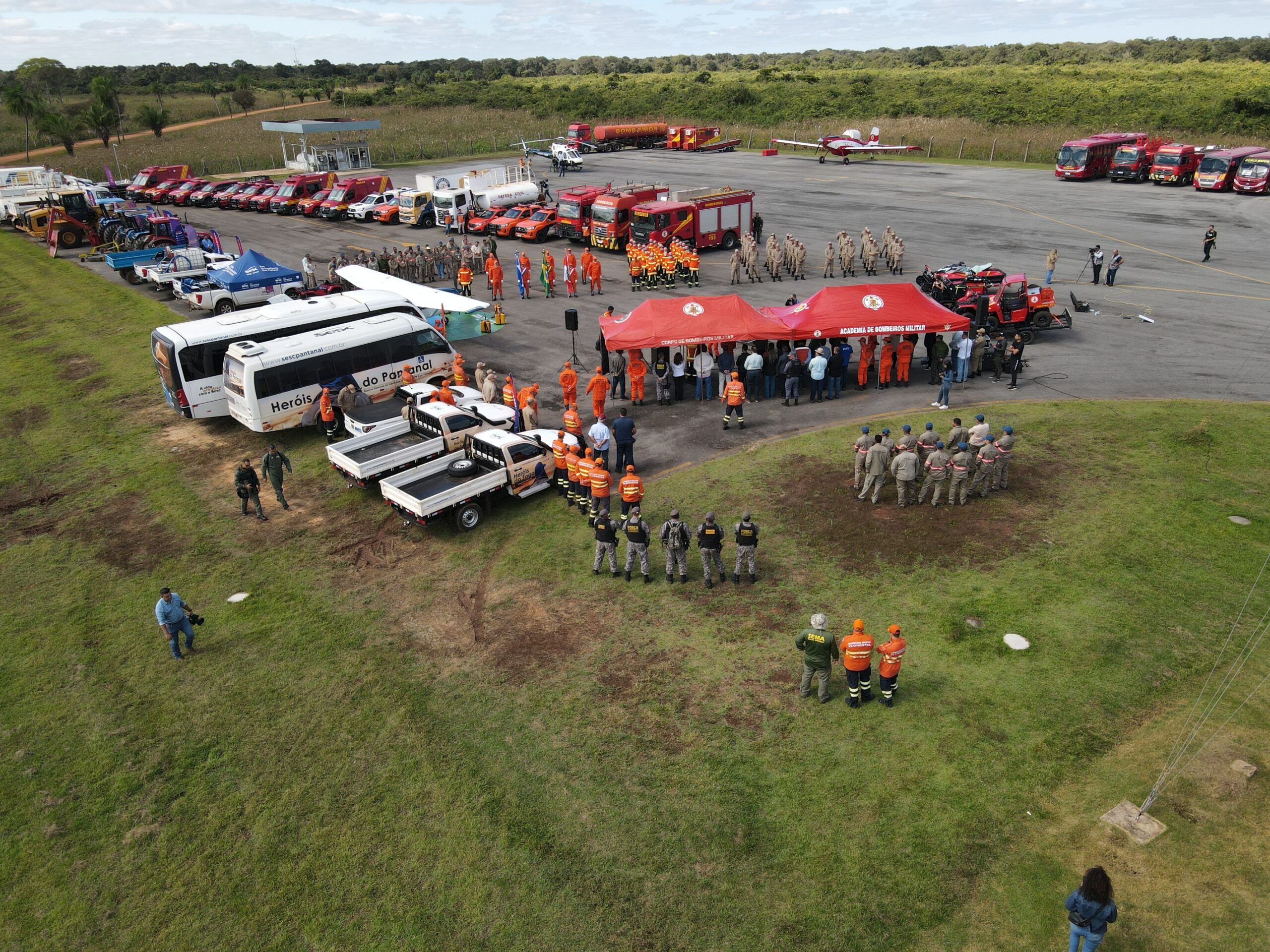
MEPs are proposing to increase the EU Civil Protection Mechanism’s budget for the seven-year period to 12,420 million euros at current prices (11,000 million euros at constant 2025 prices), compared with the €10,680 million proposed by the Commission. They also propose allocating the funds as follows: 40 per cent for civil protection and 40 per cent for health emergencies, with the remaining 20 per cent set aside as a flexibility margin.
Monitoring and anticipating crises before they occur
The European Parliament wishes to strengthen the mechanism’s monitoring and anticipation capabilities, so that EU institutions and local stakeholders can prepare for crises rather than merely reacting when they occur. To this end, it advocates identifying the areas most at risk of disasters and using climate change projections.
It also proposes creating a specific framework to coordinate collaboration between civil and military authorities in crisis management, as well as giving a greater role to local and regional governments. Furthermore, MEPs want to make use of the EU’s space-based resources to improve early-warning systems.
A joint EU response
MEPs agree that the new programme must strengthen the joint emergency response capability (rescEU). Among the measures proposed to this end is the creation of an air fleet to combat forest fires, which will be operational from 2028.
They also call for the establishment of a framework to facilitate post-disaster recovery, setting out the responsibilities of each administration, as well as the necessary resources to coordinate the process.
MEPs recognise the role of volunteers, whom they wish to provide with a specific legal status that includes insurance, recognition of their training and exemptions from certain work obligations.
Response to health emergencies
The new programme would also help EU countries to tackle serious health threats that could affect several Member States. To this end, it envisages measures such as the creation of stockpiles of medical supplies (for example, personal protective equipment and active ingredients for manufacturing medicines) and the development of early warning systems.
MEPs are calling for the EU to step up its support for cooperation between specialist medical centres and healthcare teams from different countries, the capacity to respond to surges in demand (including monitoring the availability of intensive care beds) and the transfer of patients to other Member States in the event of overcapacity.
Statements
The rapporteur, Leire Pajín (S&D, Spain), stated:
‘The Civil Protection Mechanism is the finest example of European solidarity. But we still need to improve our ability to anticipate crises, develop a genuine culture of preparedness and coordinate the various stakeholders more effectively. We must explain to the public what their role is and what they should do in the event of a crisis. We also need to combat disinformation, and to achieve all this, more resources are needed. The European Parliament supports a mechanism that protects lives and anticipates crises.”
Rapporteur Aurelijus Veryga (ECR, Lithuania) added:
“In Europe, we must invest more in preparing our societies before emergencies arise. The COVID-19 pandemic highlighted the need to integrate health preparedness into the EU’s civil protection framework. At the same time, climate-related emergencies put human lives at risk and cause serious damage to infrastructure. Member States on the eastern border, for their part, face specific challenges, such as hybrid threats. We cannot tackle these challenges without adequate funding. The cost of preparedness may seem high, but the cost of being unprepared is always much greater.”
Next steps
Parliament adopted its position by 424 votes in favour, 105 against and 83 abstentions. MEPs are ready to begin negotiations with the Council to agree on the final text of the legislation.
Background
This legislation forms part of the package relating to the EU’s long-term budget for 2028–2034 (MFF).
Parliament wants the budget to remain a key investment tool to support citizens, regions and businesses, and to deliver benefits that complement national budgetary resources.
MEPs propose increasing the budget allocation to tackle new challenges and emphasise the need for new sources of revenue to finance an ambitious and sustainable budget.
More information: European Parliament
Publicaciones relacionadas:
 The EU announces the establishment and membership of the PreparEU Advisory Group on disaster preparedness
 The Commission grants €134.8 million to Spain and Romania following fires and floods
 The Commission adopts new measures to prepare Europeans for the growing risks of a crisis
 Close to €1.6 billion of EU funds will help Spain recover from Valencia’s devastating floods
 EU launches Humanitarian Air Bridge after Myanmar earthquake and provides further assistance
Leave a Reply