
As Europe faces increasingly frequent and complex crises, the European Commission is stepping up its efforts to strengthen preparedness across the EU. From helping citizens to protect themselves during emergencies to ensuring that national civil protection systems can continue to function when a disaster strikes, the EU is implementing concrete measures to make Europe more resilient.
At the European Civil Protection Forum, Hadja Lahbib, Commissioner for Equality, Preparedness and Crisis Management , presented new guidelines to help people and communities prepare for emergencies, including during the first 72 hours of a crisis. She also announced plans for an annual EU Preparedness Day, the first of which is scheduled for October 2027. These initiatives are based on a recently adopted Commission Recommendation on operational continuity and stress testing to strengthen the resilience of national civil protection contact points across Europe.
Together, they mark further progress in implementing the Union’s Preparedness Strategy, turning Europe’s preparedness ambitions into practical actions.
New guidelines to strengthen public preparedness
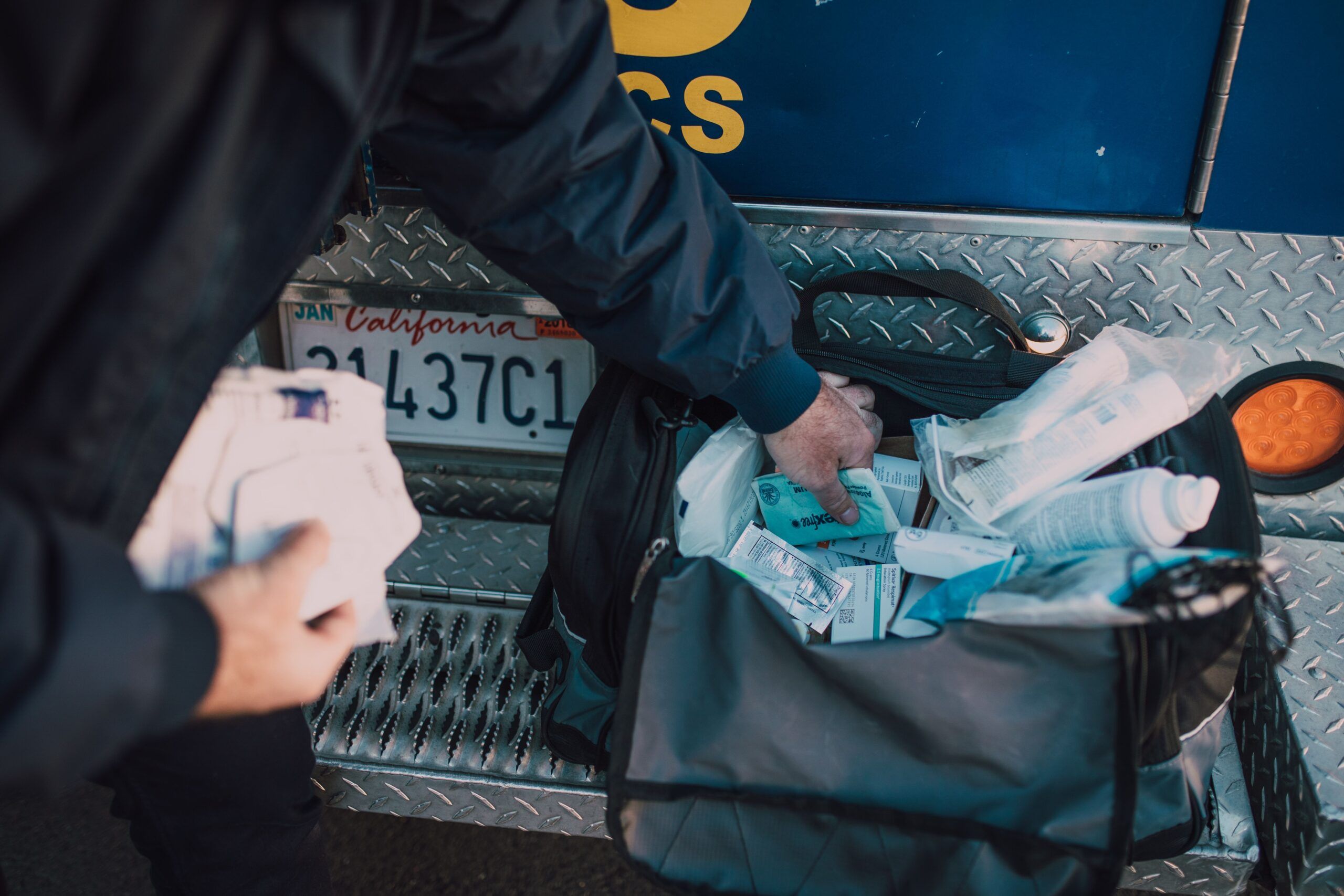
From packing essentials into an emergency bag to knowing how to react when a disaster strikes, preparedness starts with practical steps. The Commission’s new guidelines will help the authorities provide people with the knowledge and tools they need to protect themselves and others in a crisis.
They cover four key areas:
- 72-hour self-sufficiency: helping people meet their essential needs during the first three days of an emergency, whilst public assistance is mobilised, including through essential emergency supplies and emergency kits.
- Preparedness education: integrating preparedness into early years and primary school curricula and providing training for educators, helping children to develop preparedness skills from an early age through accessible, age-appropriate activities, without causing fear or anxiety.
- Inclusive preparedness for people with disabilities: making preparedness measures more inclusive and accessible, taking into account the needs of people with disabilities and encouraging their participation in preparedness planning, so that no one is left behind.
- Communication of risks and threats: helping the authorities to communicate risks and threats more effectively, ensuring that citizens receive timely, accessible and reliable information before, during and after emergencies.
Together, these non-binding guidelines aim to foster a culture of preparedness across Europe, ensuring that people and communities are better informed, equipped and able to anticipate and respond to crises.
EU Preparedness Day
To help make preparedness a shared priority across Europe, the Commission proposes establishing an annual EU Preparedness Day, to be held on 23 October each year, starting in 2027. It will encourage citizens and communities to take an active role in emergency preparedness to protect themselves and others.
The annual event will also recognise the efforts and work of national, regional and local authorities, civil protection organisations and communities in strengthening preparedness across Europe.
The date marks the anniversary of the creation of the Civil Protection Mechanism on 23 October 2001, recognising its role in fostering European solidarity and coordinating the response to disasters both within and outside the EU over the past 25 years.
The initiative reflects the importance of citizen participation, as also highlighted by the European Citizens’ Panel on Preparedness. Bringing together 150 citizens from across the EU between March and May 2026, the Panel recommended, amongst other measures, the organisation of an annual EU Preparedness Week.
The Commission will work with the European Parliament, the Council, the European Economic and Social Committee and the European Committee of the Regions on a joint declaration in support of the initiative.
Strengthening operational continuity and stress testing
The recently adopted Recommendation on operational continuity and stress testing aims to help EU Member States and states participating in the MPCU to ensure that their national civil protection contact points under the Civil Protection Mechanism remain operational at all times, even during disruptive events.
Building on lessons learnt from recent crises and disruptions, the non-binding Recommendation provides practical guidance on developing business continuity plans and regularly testing continuity arrangements. By strengthening the resilience of these national contact points, it aims to ensure that the Mechanism can continue to operate 24 hours a day and respond effectively when emergencies arise.
Background
The Union’s Preparedness Strategy, adopted in March 2025, sets out a comprehensive approach to strengthening Europe’s capacity to anticipate, prevent and respond to crises and threats.
Building on the recommendations of the Niinistö Report, the Strategy promotes a whole-of-society and whole-of-government approach, recognising that preparedness is a shared responsibility involving public authorities, businesses, civil society and citizens.
The Strategy includes concrete measures to strengthen public preparedness, raise awareness of risks and enhance the EU’s capacity to respond to emergencies.
The Guidelines on Civil Protection Preparedness are published alongside four accompanying guidance documents, including examples of good practice from Member States and around the world. As part of an ongoing collaborative process, the guidelines may be revised at a later stage, taking into account feedback and lessons learnt.
More information: European Commission
Publicaciones relacionadas:
 The EU announces the establishment and membership of the PreparEU Advisory Group on disaster preparedness
 The Commission grants €134.8 million to Spain and Romania following fires and floods
 EU launches Humanitarian Air Bridge after Myanmar earthquake and provides further assistance
 The EU prepares equipment and aircraft to fight forest fires.
 Close to €1.6 billion of EU funds will help Spain recover from Valencia’s devastating floods
Leave a Reply