
On the second day of the summit, they were joined by Chairperson of the African Union, Macky Sall, via video conference during the discussion on food security.
Solidarity lanes
The Russian war of aggression against Ukraine is having a direct impact on global food security and affordability.
The European Council called on Russia to:
- end its attacks on transport infrastructure in Ukraine
- lift the blockade of Ukrainian Black Sea ports
- allow food exports, in particular from Odesa
The European Council strongly condemns the destruction and illegal appropriation by Russia of agricultural production in Ukraine.
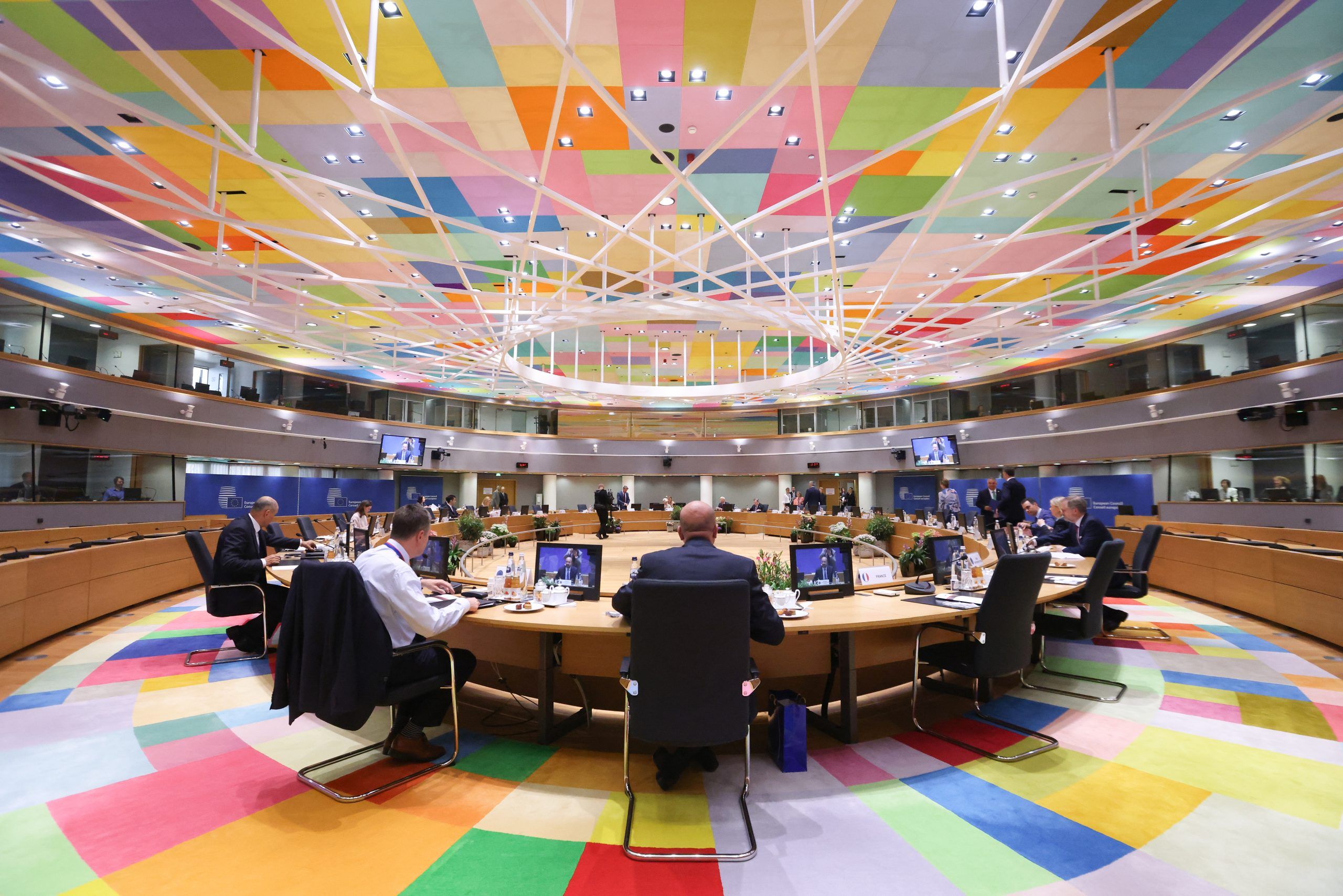
EU leaders invited member states to accelerate work on the solidarity lanes put forward by the European Commission to facilitate food exports from Ukraine.
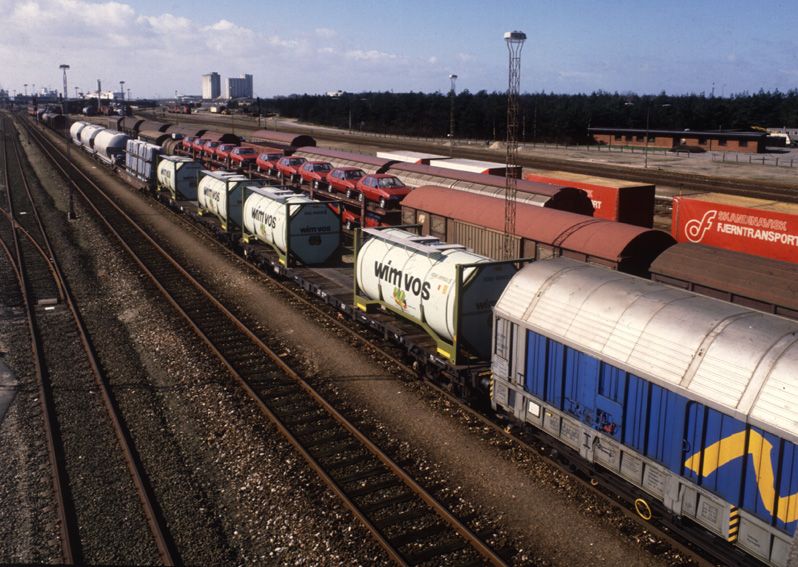
Commission to establish Solidarity Lanes to help Ukraine export agricultural goods
|
International coordination
EU leaders called for effective international coordination to ensure a comprehensive global response to food security challenges.
In this respect, they welcomed a number of international initiatives, including:
- the international food and agriculture resilience mission (FARM) initiative
- the Unites Nations global crisis response group
- the upcoming G7 initiative establishing a global alliance for food security (GAFS)
Leaders reiterated their commitment to keep global trade in food commodities free of unjustified trade barriers, enhance solidarity towards the most vulnerable countries and increase local sustainable food production.
The European Council invited the Commission to explore the possibility of mobilising reserves from the European Development Fund to support the most affected partner countries.
EU leaders also underlined the importance of the common agriculture policy (CAP) in the EU’s contribution to food security and called for the swift adoption of the CAP strategic plans.
To address the ongoing shortages of fertilisers in the global market, the European Council called for greater collaboration with international partners in promoting a more efficient use of and alternatives to fertilisers.
Security and defence
The European Council discussed EU security and defence in the wake of Russia’s aggression against Ukraine. In this new context, recalling the Versailles Declaration and the European Council conclusions of 24-25 March 2022, EU leaders stressed the importance of resolutely implementing the Strategic Compass, reinforcing the EU’s partnerships, enhancing its resilience and increasing its security and defence capacity through more and better investments, focusing on identified strategic shortfalls.
Leaders underlined that the transatlantic relationship and EU-NATO cooperation are key to our overall security. A stronger and more capable European Union in the field of security and defence will contribute positively to global and transatlantic security and is complementary to NATO, which remains the foundation of collective defence for its members.
Energy
Strengthening EU energy independence
Taking account of the EU member states’ different energy mixes, conditions and circumstances, EU leaders reviewed progress on the phasing out of Russian gas, oil and coal imports, which should take place as soon as possible as agreed in the Versailles Declaration.
In the light of earlier decisions on bans on imports from Russia and the REPowerEU plan presented by the European Commission, EU leaders called for:
- as a short-term priority, further diversifying supply sources and routes, and securing energy supply at affordable prices. In this respect, leaders encouraged the prompt use, ahead of next winter, of the EU energy purchase platform; invited the Commission to explore ways to curb rising energy prices, including the feasibility of introducing temporary price caps; invited the Council to take work forward on the EU external energy engagement strategy; and noted the importance of indigenous energy sources for the security of supply
- accelerating the deployment of renewables, which will require immediately speeding up permit-granting procedures for renewables projects and improving innovation, capacity, skills and supply chains
- further improving energy efficiency wherever possible, and promoting energy savings
- completing and improving interconnection of European gas and electricity networks by investing in infrastructure for existing and new projects, including in future-proof electricity and hydrogen-ready gas interconnections throughout the EU and in renewable production capacity
The European Council also called on the Council to rapidly examine the Commission’s proposals to deliver on the REPowerEU objectives, including their financing.
REPower the EU by engaging with energy partners in a changing world
|
Preparedness measures
In a spirit of European solidarity, leaders called for greater EU preparedness for possible major supply disruptions, in particular through bilateral solidarity agreements and a coordinated European contingency plan, which should ensure that major supply disruptions are mitigated. In this context, leaders welcomed the recent agreement between the Council and the European Parliament on gas storage and called for its speedy implementation.
European electricity market
The European Council took note of the report by the EU Agency for the Cooperation of Energy Regulators (ACER) and invited the Commission to swiftly pursue work on the optimisation of the functioning of the European electricity market.
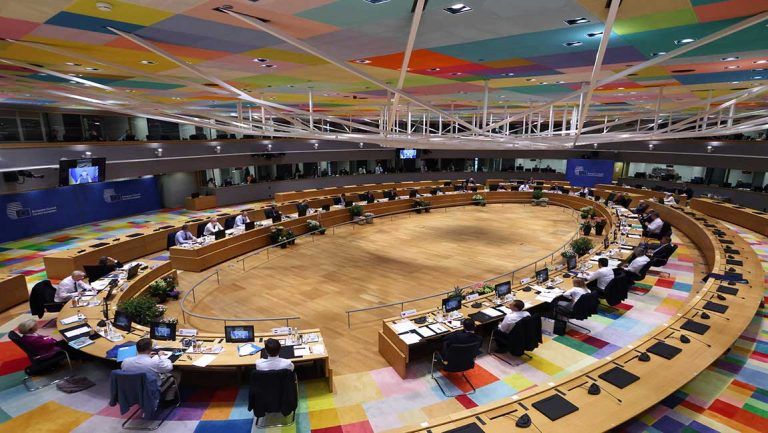
EU leaders agree on new sanctions against Russia
|
More information: European Council – Press release
Publicaciones relacionadas:
 Informal video conference of foreign affairs (defence) ministers, 28 de febrero de 2022
 Ukraine: Home Affair Ministers discuss reception of refugees
 Council approves immediate disbursement of €3.5 billion to EU countries welcoming refugees
 EU adopts fifth package of sanctions against Russia
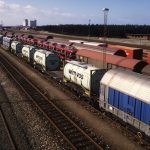 Commission to establish Solidarity Lanes to help Ukraine export agricultural goods
Leave a Reply