
Last december 13, the Council agreed its position on a proposal to update the EU’s criminal law rules on child sexual abuse and sexual exploitation of children. The revised rules expand the definition of the offences, making sure that all forms of child sexual abuse and sexual exploitation, including those enabled or facilitated by new online tools, are criminalised. They also introduce higher penalties and contain more specific requirements for prevention and assistance to victims.
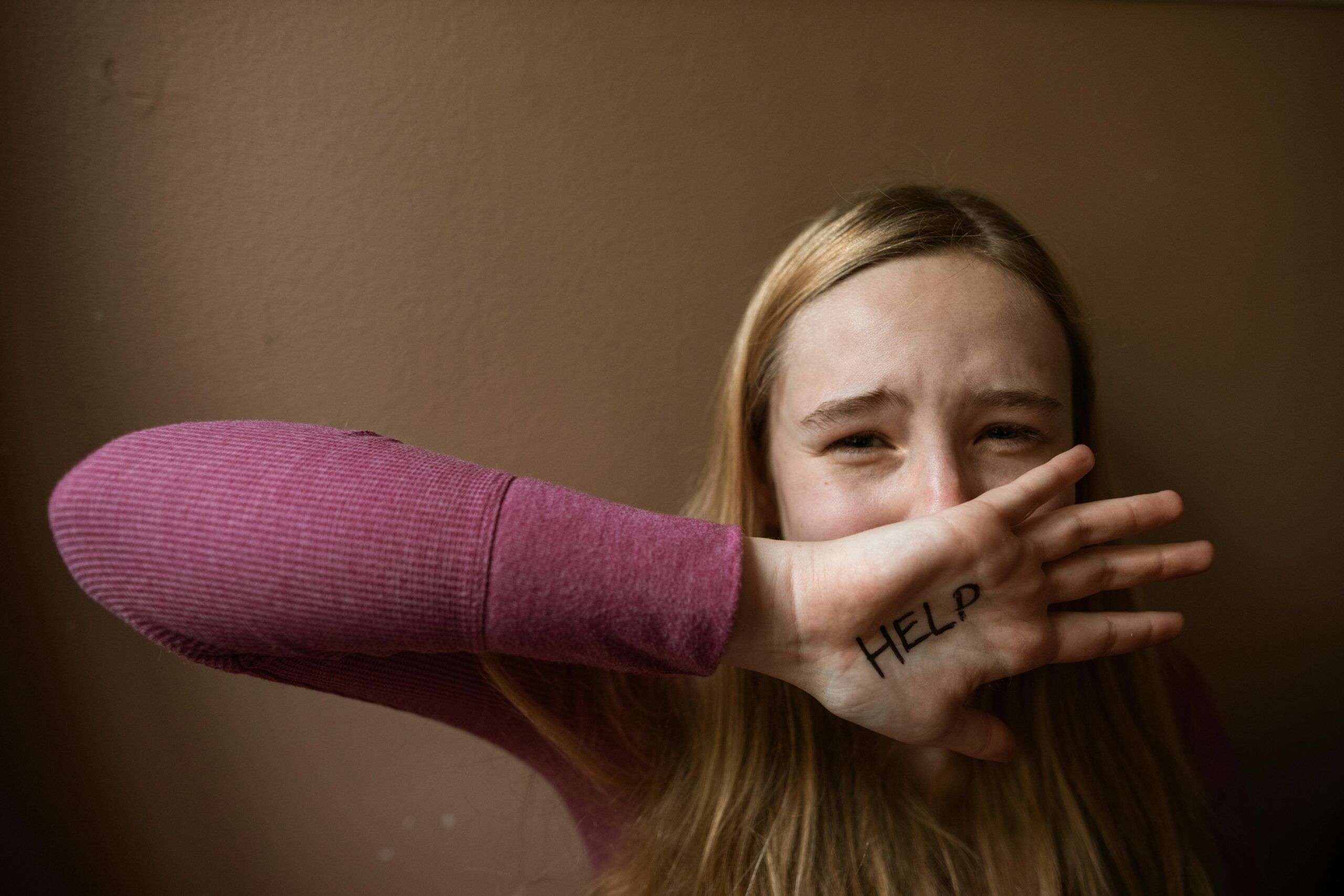
This position is the basis to enter into talks with the European Parliament to agree on a final law.
“The protection of the most vulnerable in our societies – children – must be our priority. With these new rules, we boost the fight against child sexual abuse, including as regards livestreaming of abuse or the use of AI for the generation of abuse material.”
Bence Tuzson, Hungarian Minister for Justice
Expanded definition of criminal offences
In order to ensure that all forms of child sexual abuse and exploitation are criminalised, member states agreed to update the definition of these offences. Under the new rules, member states are obliged to criminalise, investigate and prosecute the offence of livestreaming child sexual abuse. Paying money to gain access to a livestream of sexual abuse of children is on the rise in recent years.
The updated directive also makes sure that realistic images of child sexual abuse material are included in the definition of the crime. This will make it possible to better respond to the increasing emergence of deep fake or AI-generated abuse material.
In addition, the Council introduced an offence of providing instructions on how to commit child sexual abuse, sexual exploitation or solicitation of children for sexual purposes. A person who, for instance, distributes and produces a manual – whether a leaflet, a book or an online guide – that helps others to sexually abuse a child is punishable.
Higher penalties
The penalties for many of the offences have been increased. For instance, when abuse is made of a particularly vulnerable situation of the child, in particular because of disability, to sexually engage with a child, the offender will be punished by a maximum prison term of at least 10 years (instead of 8 years at present). The maximum prison sentence goes up to at least 5 years, from the current 3 years, when the child has reached the age of sexual consent.
Member states may provide for even tougher penalties in their national legislation.
Consent
As is the case under the current legislation, it remains a national competence to define the age of sexual consent i.e. the age below which it is prohibited to engage in sexual activities with a child.
However, the amended rules establish more clearly that engaging in sexual activities with children who have reached the age of sexual consent should be punishable if the child does not consent. The directive stipulates that consent must be given voluntarily, as a child’s freely formed will, and that it can be withdrawn at any time. It also determines that consent cannot be deemed to exist in cases in which the child is unable to form a free will.
Strengthening prosecution and supporting victims
In order to ensure that victims can effectively seek justice, the Council introduced a new paragraph on limitation periods. It guarantees that offences can be investigated and prosecuted for a sufficient period of time after the victim has reached the age of majority. This period runs from at least 10 years for offences punishable by a maximum penalty of at least five years of imprisonment, to at least 20 years for offences punishable by a maximum prison sentence of at least 10 years.
The new rules will also contribute to making it easier to report child sexual abuse or child sexual exploitation. Member states will have to ensure that victims can report these offences through accessible, easy to use, safe and readily available (online) channels. Information on how to report sexual abuse and the tools for that purpose should be designed and accessible in a child-friendly manner and use child-friendly language.
Support for the victims of child sexual abuse and exploitation will also be improved. According to the Council text, victims of these crimes must be provided with age-appropriate medical care, and emotional, psychological, psychosocial and educational support, as well as legal counsel. The new directive will also include rules on interim accommodation for victims.
Compensation
The Council position includes new rules on the compensation of victims and survivors of child sexual abuse. According to the Council position, member states must ensure that victims have the right to claim, from the offender, compensation for damage suffered which is the result of the offences as defined in this EU directive.
Data collection and research
In order to monitor and evaluate the phenomenon of sexual abuse and sexual exploitation of children, data collection is of the essence. The new rules therefore oblige member states to have a system in place for the collection, development, production and dissemination of statistics on offences.
Statistics that member states will have to collect include the annual number of reported offences and convictions of offences and the annual number of persons prosecuted for and convicted of the offences in question.
Next steps
On the basis of the general approach agreed today, the Council will be able to enter into negotiations with the European Parliament. The Parliament has not yet established its position.
Once adopted, national governments will have to adapt their criminal law codes to bring them into line with the revised EU directive.
Background
The current EU rules on sexual abuse and sexual exploitation of children were agreed in 2011. An EU study found that the increased online presence of children and technological developments pose challenges for law enforcement and create new possibilities for abuse. The review that is now on the table of EU legislators is meant to take account of these developments.
This update of criminal law rules is complementary to a proposal which sets out obligations for internet companies to detect, report and remove child sexual abuse material on their services. Negotiations on this proposal are still ongoing.
More information: Council of the European Union.
Publicaciones relacionadas:
 Migrant smuggling: member states reach agreement on criminal law
 EU Global Human Rights Sanctions Regime: listings renewed for an additional year
 International Day against Homophobia, Biphobia and Transphobia: Statement by the High Representative on behalf of the EU
 Joint statement of the parties to the European Economic Area Agreement on the occasion of the 30th anniversary of its entry into force
 International Women’s Day 2020: Beijing Declaration 25 years after
Leave a Reply