
On Thursday, the Committee on International Trade adopted its position on two proposals implementing certain tariff aspects of the Turnberry trade agreement between the EU and the US.
MEPs on the Committee on International Trade adopted their position ontwo legislative proposalsthat remove most tariffs on industrial and agricultural products from the United States, with 29 votes in favour, 9 against and 1 abstention.
Parliament’s rapporteur on this issue,Bernd Lange (S&D, DE),stated: “Today we have secured a broad majority in support of a robust text that seeks to bring stability, fairness and strength to our trade relationship with the United States. Our message is clear: we will not take any final decision without being in full agreement. Parliament intends to retain control and have the final say on the implementation of the agreement.”
“With this in mind, we have agreed on a clear, phased safety net that addresses the main shortcomings of the Commission’s proposal.”
Suspension and entry into force clauses
Firstly, we have made it clear that any tariffs imposed on the EU or any of its Member States due to their foreign policy decisions are unacceptable. In this regard, we have updated and strengthened the suspension clause. Should tariffs be imposed, we would immediately suspend legislative work to implement tariff preferences on US products. Tariff threats against one of us are a threat against us all.
“Secondly, we have agreed on an immediate entry into force clause, which means that, whilst we could adopt legislation to implement the agreement, tariff preferences for US products would only enter into force once the commitments agreed at Turnberry are effectively honoured by the US side.”
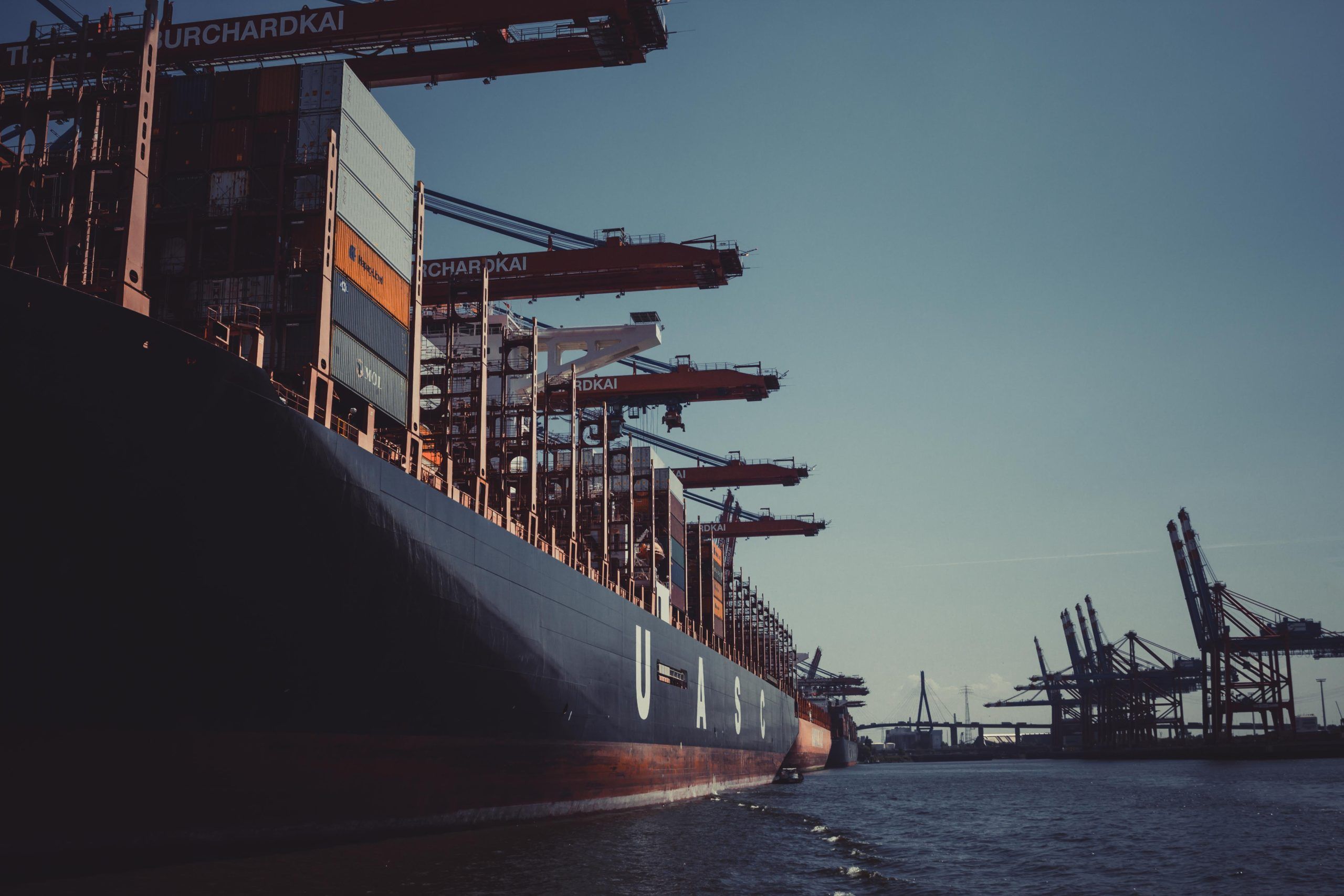
Conditions applicable to EU products containing steel.
“Another criterion that must be met before the regulation enters into force is the reduction of tariffs on EU products containing less than 50% steel or aluminium, from 50% to 15%,” said Lange.
“This new set of conditions complements the text already negotiated and agreed by Parliament’s negotiators, which covers the so-called five ‘S’s’: a specific solution for steel and aluminium, a sunset clause, a suspension provision, a safeguard mechanism and a reinforced suspension clause.”
“It is also clear that, should the United States decide to increase the current Section 122 tariffs from 10% to 15% across the board, most EU products would be subject to an effective tariff exceeding the 15% threshold due to the application of the Most Favoured Nation tariff. This would also be unacceptable and would lead to the suspension of our work on the cases.”
“We were ready to vote in January, but US threats against Greenland and the uncertainty caused by the US government’s response to the US Supreme Court ruling have forced us on two occasions to postpone our vote.”
“I hope that with this vote we are fostering a positive dynamic of trade cooperation where mutual interests converge, tariff threats disappear, and businesses and consumers can plan ahead to increase our shared prosperity and the affordability of our resources.”
Next steps
The two legislative proposals will be put to a vote by the full Parliament at its next sitting on 26 March, before negotiations with EU governments on the final version of the legislation can begin.
Background
In July 2025, the EU and the US reached a political agreement on tariffs and trade (the Turnberry Agreement). These agreements were set out in detail in a joint statement in August 2025 announcing an EU-US Framework Agreement. Subsequently, the Commission publishedtwo legislative proposalsaimed at implementing certain tariff aspects of that Framework Agreement.
The Committee on International Trade is responsible fordriving forward the legislation in Parliamentand for leading negotiations with EU governments on the final form of customs duties applied to imports of goods from the United States.
Further information: European Parliament
Publicaciones relacionadas:
 The new European Centre for Democratic Resilience begins its work
 The Commission proposes a free and secure data circulation zone between the EU and Brazil
 The first EU-Egypt summit will be held in Brussels on 22 October
 Europol support for Ukraine and entries in the Schengen Information System
 The EU and Nigeria open negotiations on a bilateral agreement on cooperation in science and technology
Leave a Reply