• Skip to primary navigation
  • Skip to main content
  • Skip to primary sidebar
  • Skip to footer
  • Bluesky
  • Facebook
  • Instagram
  • Twitter
  • YouTube
CDE Almería – Centro de Documentación Europea – Universidad de Almería

CDE Almería - Centro de Documentación Europea - Universidad de Almería

Centro de Documentación Europea de la Universidad de Almería

  • HOME
  • WHAT´S ON
    • EU NEWS
    • Activities
    • EU Calls and Awards
    • Radio Program «Europe with You»
  • DOCUMENTATION
    • EU Media Collection
      • Web Space
      • MEDIATHEQUE REPOSITORY
  • Europe on the net
    • Institutions
    • EU Representation in Spain
    • European information network of Andalusia
  • ABOUT US
    • Presentation
    • Services
    • People
    • Contact
  • Spanish
  • English

EP calls for addressing China’s restrictions on rare earth exports

Inicio » Noticias UE » Asuntos Institucionales » Cooperación y Política Exterior » EP calls for addressing China’s restrictions on rare earth exports

14 de July de 2025

Parliament is concerned about China’s export restrictions on key raw materials and the impact on the EU economy.

On 4 April 2025, China imposed export restrictions on seven rare earth elements and magnets used in the defence, energy and automotive sectors in response to increased US tariffs on Chinese products. Under the new rules, exporters will need additional licences before they can export from China.
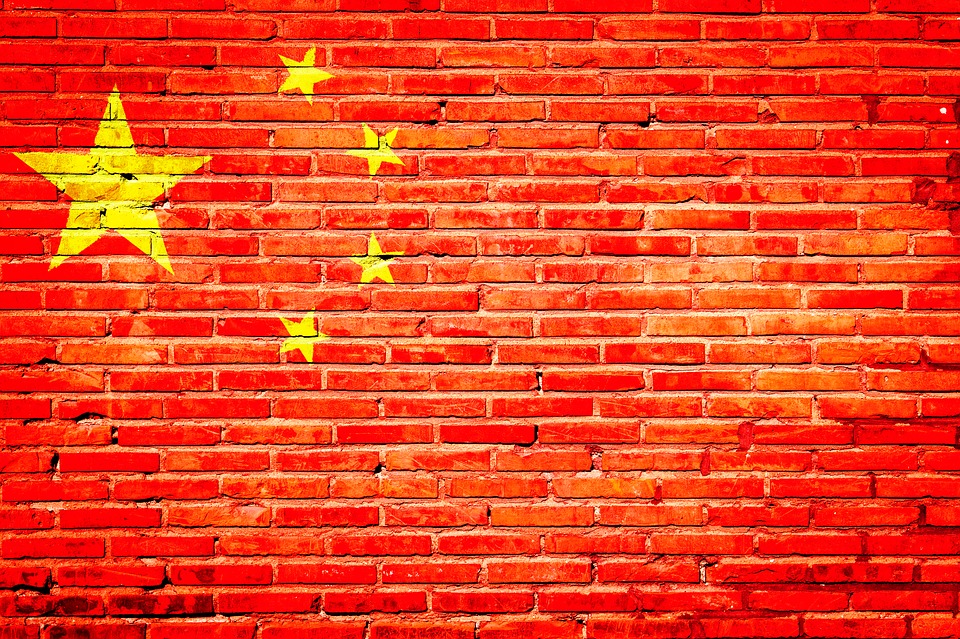
In a resolution adopted by 523 votes in favour, 75 against and 14 abstentions, Parliament says China’s action is unjustified and defines it as coercive, given the country’s quasi-monopolistic position. MEPs stress the need for the EU to identify, implement and strengthen areas where it has critical advantages over China in essential goods and technologies. They are also concerned about China’s requirement for export permit applicants to disclose confidential data.

The plenary urges the Commission and Member States to speed up the implementation of the Key Raw Materials Law, the main objective of which is to ensure that the EU has secure, diversified and sustainable access to raw materials.

The text also stresses the need for the EU to activate national mining projects and calls on the Commission and countries to assess the minimum level of strategic reserves of rare earth elements. MEPs encourage the pursuit of bilateral partnerships on raw materials with countries that meet high standards of sustainability and human rights.

Parliament hopes that these concerns and their wider implications for global supply chains will be addressed at the forthcoming EU-China summit.

Background

China has a quasi-monopoly on the export of critical raw materials, rare earth elements and permanent magnets. These are used in various sectors, such as the automotive and defence industries, but also for the production of wind turbines, headphones and MRI machines. Chinese restrictions have already been felt in these industries.

More information: European Parliament

Publicaciones relacionadas:
china ueChina lifts sanctions against MEPs The European Union and Central Asia establish a Strategic Partnership during groundbreaking summit MEPs will discuss transatlantic relations with US counterparts MEPs approve updated EU-Ukraine road transport agreement Nearly 70 billion euros in Spain’s Recovery Plan


EU News,  Institutional Affairs,  International Politics and Cooperation actualidad,  China,  Economy,  European Parliament,  European Union,  Exports,  magnets,  News,  products,  rare earth,  raw materials,  restrictions,  tariffs

“This is a space for debate. All comments, for or against publication, that are respectful and do not contain expressions that are discriminatory, defamatory or contrary to current legislation will be published”.

Reader Interactions

Leave a Reply Cancel reply

Your email address will not be published. Required fields are marked *

This site uses Akismet to reduce spam. Learn how your comment data is processed.

Primary Sidebar

Footer

  • CDE Almería
  • Biblioteca Nicolás Salmerón – Universidad de Almería
  • Planta: 1ª, Despacho: 1.05.0B.
  • Ctra. Sacramento s/n. Almería (Spain)
  • Teléfono: (+34) 950 015266

HOME
NEWS
DOCUMENTATION
EUROPE ON THE NET
ABOUT US

  • LEGAL NOTICE
  • PRIVACY POLICY
  • COOKIE POLICY
  • ACCESSIBILITY
  • SITEMAP

Copyright © 2026 CDE Almería · Creative Commons LicenseThis work is licensed under a Creative Commons Attribution-NonCommercial 4.0 International License.

<p>El Centro de Documentación Europea de la Universidad de Almería utiliza cookies propias y de terceros para facilitar al usuario la navegación en su página Web y el acceso a los distintos contenidos alojados en la misma. Asimismo, se utilizan cookies analíticas de terceros para medir la interacción de los usuarios con el sitio Web. Pinche el siguiente enlace si desea información sobre el uso de cookies y como deshabilitarlas. </p>

Politica de privacidad

El Centro de Documentación Europea de la Universidad de Almería utiliza cookies propias y de terceros para facilitar al usuario la navegación en su página Web y el acceso a los distintos contenidos alojados en la misma. Asimismo, se utilizan cookies analíticas de terceros para medir la interacción de los usuarios con el sitio Web. Pinche el siguiente enlace si desea información sobre el uso de cookies y como deshabilitarlas. <a href="/politica-de-cookies" rel="noopener" target="_blank">Más información</a>

Cookies estrictamente necesarias

Las cookies estrictamente necesarias tiene que activarse siempre para que podamos guardar tus preferencias de ajustes de cookies.

Básicamente la web no funcionara bien si no las activas.

Estas cookies son:

  • Comprobación de inicio de sesión.
  • Cookies de seguridad.
  • Aceptación/rechazo previo de cookies.
Cookies de terceros

Esta web utiliza Google Analytics, Google Tag Manager y Yandex Metrika para recopilar información anónima tal como el número de visitantes del sitio, o las páginas más populares.

Dejar estas cookies activas nos permite mejorar nuestra web.

Política de cookies

Pinche el siguiente enlace si desea información sobre el uso de cookies y como deshabilitarlas. Más información