
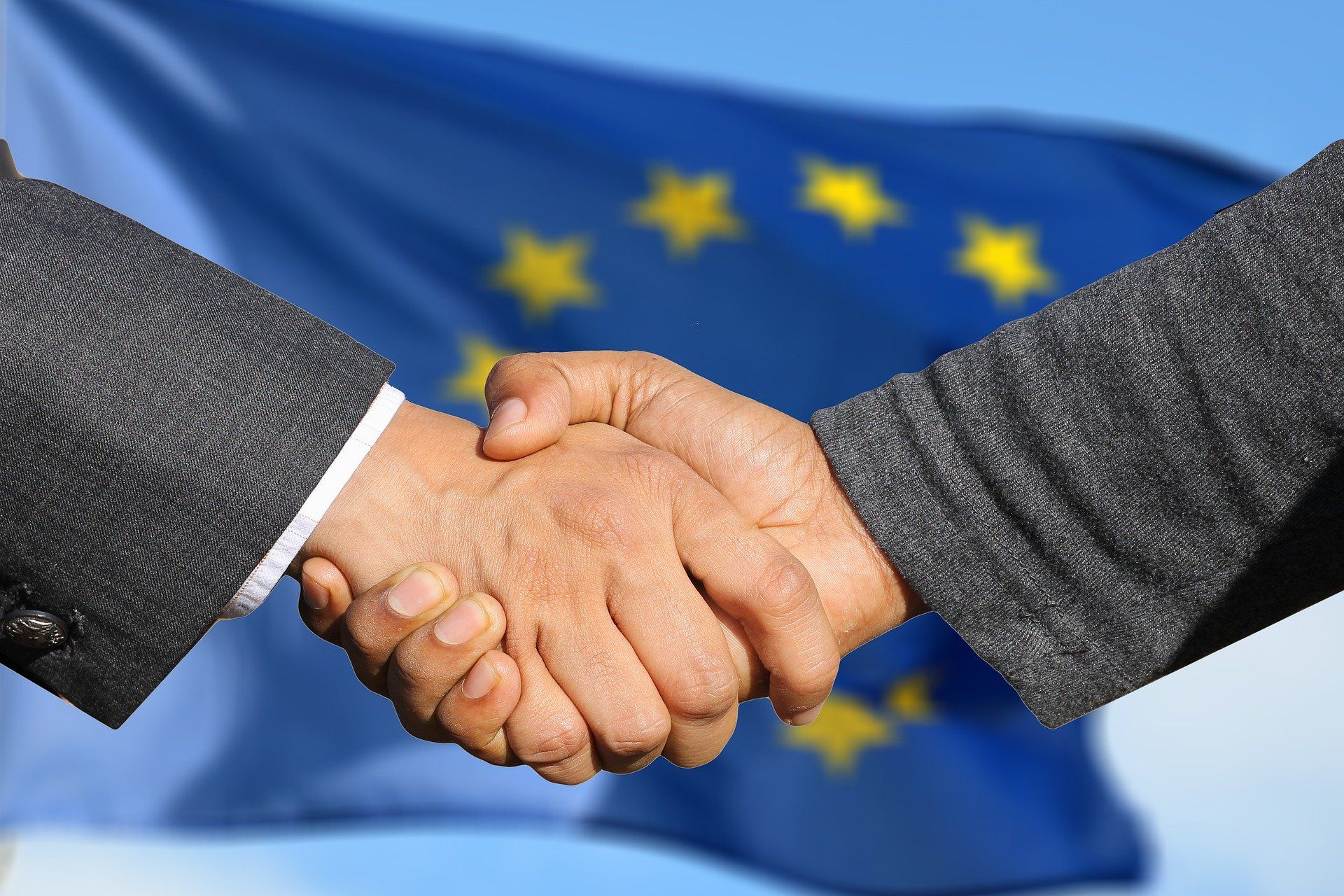
The European Union and the United Nations brought together policymakers, practitioners and international partners in Brussels to highlight the impact of their JointEU-UNMechanismagainst Global Terrorist Threats is an innovative mechanism that provides tailored support to countries facing complex security challenges.
Funded by the European Commission’s Foreign Policy Instruments (FPI) and implemented by theUnited Nations Office of Counter-Terrorism (UNOCT), (UNOCT), the Mechanism reflects a shift in the way the EU engages with partner countries: moving away from one-size-fits-all solutions towards jointly designed and delivered assistance, based on trust, collaboration and local ownership.
The event highlighted how this approach enables countries to respond more effectively to constantly evolving terrorist threats, whilst ensuring that support remains fully aligned with international law and a human rights-based framework.
A flexible, demand-driven model.
Launched in 2022 with a budget of €14 million, the Mechanism provides rapid and targeted assistance to countries that request it, helping to strengthen national capacities to prevent, detect and respond to terrorism and violent extremism.
The discussions emphasised that the Mechanism’s success lies in its demand-driven approach. Rather than prescribing solutions, the EU and the UN work closely with partner countries to identify needs and offer tailored support adapted to specific national contexts.
Since its inception, the Mechanism has already provided support to 11 countries in regions such as Africa, the Middle East and Central Asia.
From policy to practice: real-world impact
Participants explored concrete examples of the Mechanism’s work through case studies from Uganda, Iraq and Kyrgyzstan.
These measures included strengthening investigative and prosecutorial capacities, supporting the voluntary repatriation and reintegration of people from conflict zones, and improving the use of digital evidence, whilst protecting vulnerable targets.
In all cases, a common thread emerged: effective counter-terrorism requires robust institutions, cross-sectoral coordination and community trust.
Promoting gender equality in security matters.
A key objective of the Mechanism is to promote women’s participation and leadership in the fight against terrorism. With specific funding allocated to this component, the programme recognises that inclusive security approaches lead to more sustainable and effective outcomes.
The speakers emphasised that the integration of gender perspectives is not an afterthought, but a fundamental element of programme design and implementation, ensuring that interventions better respond to the needs of all members of society.
A partnership based on shared values.
The event reaffirmed the strength of cooperation between the EU and the UN in addressing global security challenges. By combining political support, technical expertise and flexible funding, this partnership helps countries strengthen their resilience to terrorism in an effective and principled manner.
As highlighted throughout the discussions, this approach reflects the EU’s broader commitment to multilateralism, human rights and sustainable peace.
Further information: European Commission
Publicaciones relacionadas:
 The Commission proposes a free and secure data circulation zone between the EU and Brazil
 New strategy to strengthen prosperity and security with India
 The first EU-Egypt summit will be held in Brussels on 22 October
 The new European Centre for Democratic Resilience begins its work
 UN approves Russia’s expulsion from Human Rights Council
Leave a Reply