
The European Commission has confirmed €458 million in humanitarian aid for Palestine, Lebanon, Syria, Jordan and Egypt in 2026. As major donors withdraw from the region and international humanitarian law comes under unprecedented pressure, the EU is continuing to provide vital assistance to millions of people.
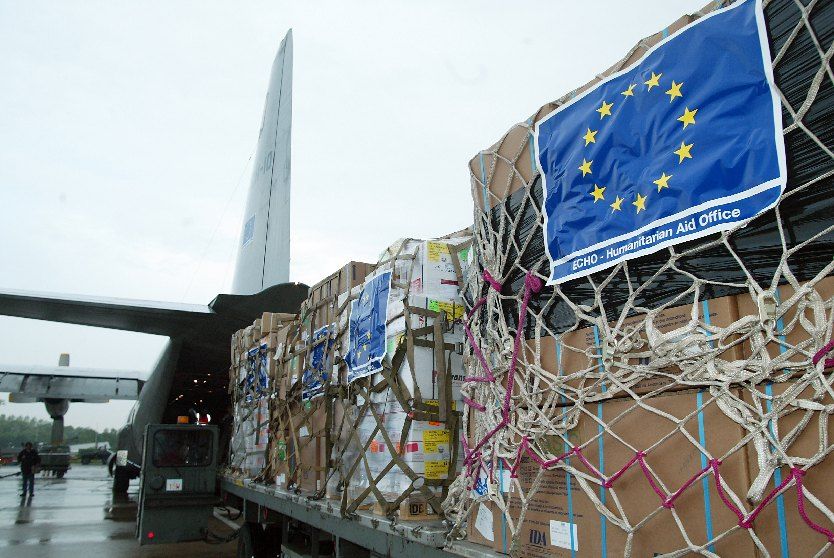
InSyria, €210 million in EU humanitarian funding will enable the continuation of emergency response and protection across the country. More than a year after the fall of the Assad regime in December 2024, 16.5 million people still require humanitarian assistance. Among them, more than 3.2 million returnees face destroyed infrastructure and a lack of livelihood opportunities. The funding covers food aid, medical care, shelter, drinking water and education for children not attending school.
In Palestine,€124 million will be allocated to food, health, protection, shelter and education assistance, provided by partners operating under extremely difficult conditions. More than 3.3 million people remain in need: 2.1 million in Gaza and 1.2 million in the occupied West Bank. In Gaza, the civilian population is suffering from malnutrition, a collapsed healthcare system and the systematic obstruction of humanitarian aid.
InLebanon, €100 million will be allocated to provide emergency medical care, basic assistance to displaced families, protection services, accommodation and education for out-of-school children. The needs are pressing: even before the current humanitarian crisis, exacerbated by events in Iran, more than three million people were in need of humanitarian assistance in Lebanon. In March 2026, Israeli air strikes led to the displacement of more than 800,000 people. Flights under the EU humanitarian air bridgeare already delivering medical and relief suppliesto the ground.
In Jordan, a total of€15.5 million will be allocatedto maintaining essential services such as healthcare and protection, and to meeting the needs of refugees, both inside and outside the camps.
In Egypt, €8 million will be allocated to providing multi-sectoral assistance to the most vulnerable, including quality education for out-of-school children and a regional disaster preparedness programme. Egypt hosts more than 1.5 million refugees and asylum seekers, mainly from Sudan and Gaza.
Fund
Across the region, the delivery of humanitarian aid is severely hampered by operational and logistical constraints, limited humanitarian access, a shrinking humanitarian space and ongoing violations of international humanitarian law.
The EU’s humanitarian aid allocations for Palestine, Lebanon, Syria, Jordan and Egypt in 2026 are made underthe European Commission’s annualGlobal Humanitarian Decisionand are implemented throughcountry-specific Humanitarian Implementation Plans.
Funding for humanitarian issues is allocated exclusively on the basis of need, in accordance with the principles of humanity, neutrality, impartiality and independence, and in full compliance with international humanitarian law.
It is delivered through the Commission’s established network, comprising UN agencies, international organisations and NGOs operating on the ground.
This €458 million package includes the mobilisation of €67.5 million from the Emergency Aid Reserve, subject to approval by the budgetary authority.
More information: European Commission.
Publicaciones relacionadas:
 The EU steps up its civil protection efforts and brings home 356 citizens amid events in the Middle East
 European Democracy Shield and EU Strategy for Civil Society strengthen resilient democracies
 EU boosts funding to protect aid workers with €4.35 million
 The Commission seeks opinions to boost women’s participation in research and innovation
EC proposes €2 million from the European Globalisation Adjustment Fund to support workers laid off from Liberty Steel in Belgium
The Commission seeks opinions to boost women’s participation in research and innovation
EC proposes €2 million from the European Globalisation Adjustment Fund to support workers laid off from Liberty Steel in Belgium
Leave a Reply