
The European Commission has published new guidelines on how the European network of protected areas, Natura 2000, can act as a powerful driver of sustainable tourism, whilst safeguarding resilient ecosystems that protect habitats and species.
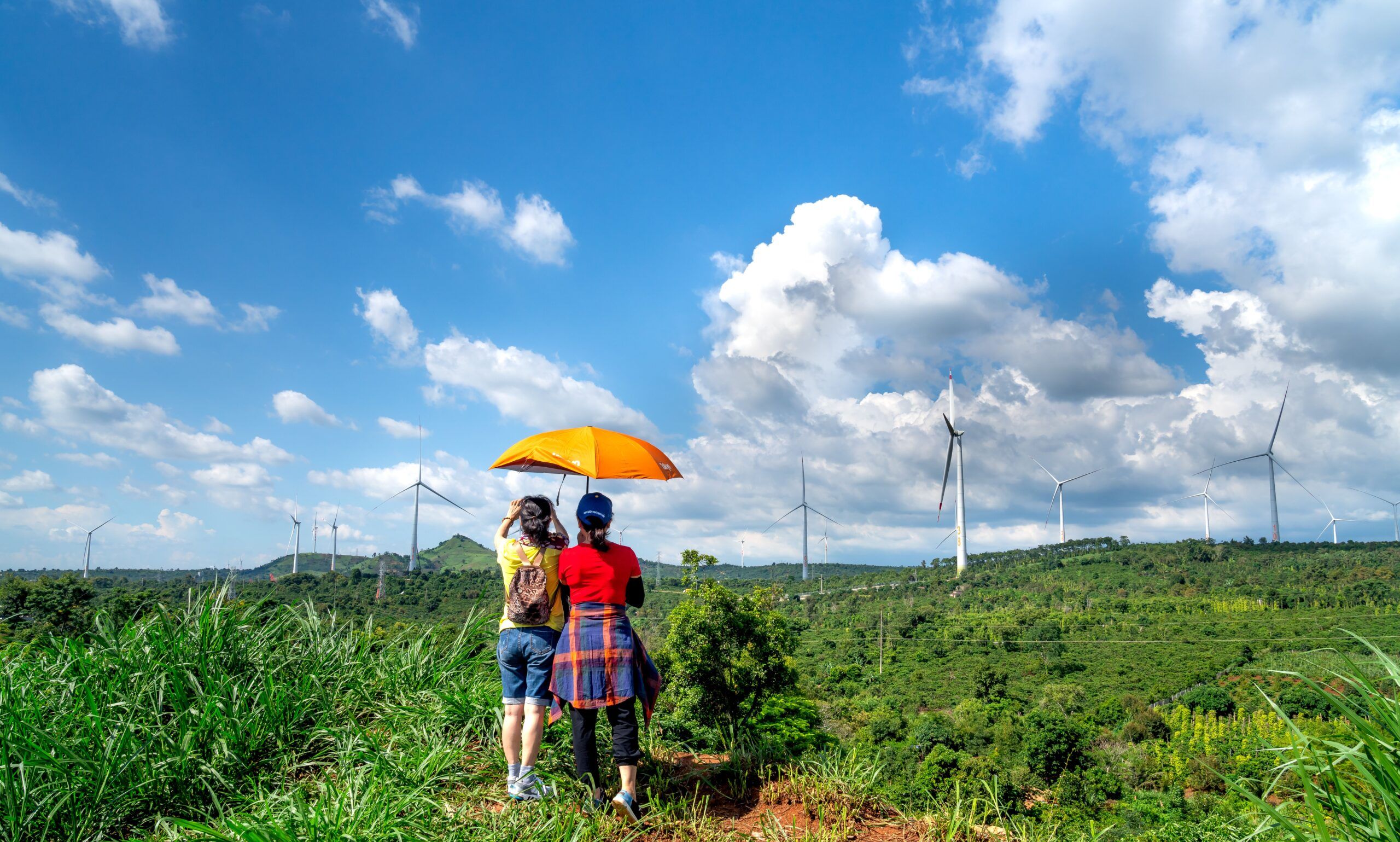
Tourism accounts for a significant share of the EU’s economy: it generated around 807,000 million euros in 2024 and employs more than 20 million people. Natura 2000 is the world’s largest network of protected areas, comprising more than 27,000 sites across all Member States and reflecting the rich diversity of Europe’s wildlife and habitats. Within Natura 2000 sites, tourism generates between 50 and 85,000 million euros a year and supports up to two million full-time equivalent jobs, particularly in rural, coastal and mountainous regions.
Today’s guidelines aim to help site managers and national authorities strike a balance between economic activities, including tourism, and meeting conservation and restoration objectives. This includes, for example, preventing increased pressure on the habitats and species that, in the first place, make these well-managed protected areas attractive to tourists. The guidelines provide a framework for the planning and management of Natura 2000 sites. This approach integrates tourism and recreational activities, and also highlights the growing importance of ecotourism – that is, travelling responsibly to natural areas in a way that preserves the environment and benefits local communities.
More information: European Commission.
Publicaciones relacionadas:
 The Commission launches the Women in Agriculture Platform
 Fisheries and aquaculture: Council agrees its negotiating position on a new framework for statistics
 Commission approves €440 million Spanish state aid scheme to support renewable hydrogen production
 The European Commission and the United Nations Environment Programme reaffirm their commitment to science and global environmental cooperation
 EU–African Union Space Dialogue Strengthens Strategic Partnership for Innovation and Sustainable Development
Leave a Reply