• Skip to primary navigation
  • Skip to main content
  • Skip to primary sidebar
  • Skip to footer
  • Bluesky
  • Facebook
  • Instagram
  • Twitter
  • YouTube
CDE Almería – Centro de Documentación Europea – Universidad de Almería

CDE Almería - Centro de Documentación Europea - Universidad de Almería

Centro de Documentación Europea de la Universidad de Almería

  • HOME
  • WHAT´S ON
    • EU NEWS
    • Activities
    • EU Calls and Awards
    • Radio Program «Europe with You»
  • DOCUMENTATION
    • EU Media Collection
      • Web Space
      • MEDIATHEQUE REPOSITORY
  • Europe on the net
    • Institutions
    • EU Representation in Spain
    • European information network of Andalusia
  • ABOUT US
    • Presentation
    • Services
    • People
    • Contact
  • Spanish
  • English

The Commission launches the Women in Agriculture Platform

Inicio » Noticias UE » The Commission launches the Women in Agriculture Platform

10 de March de 2026

To mark International Women’s Day, the European Commission has launched theWomen in Farming platform,a new initiative designed to empower women in agriculture and strengthen equal opportunities in this sector and in rural communities. Announced in the Commission’s Vision for Agriculture and Food last year, its aim is to help increase the number of women participating in agricultural businesses, promote exchange and cooperation, and encourage the sharing of good practices. This launch is particularly timely, as the United Nations has declared 2026 the International Year of Women in Agriculture.
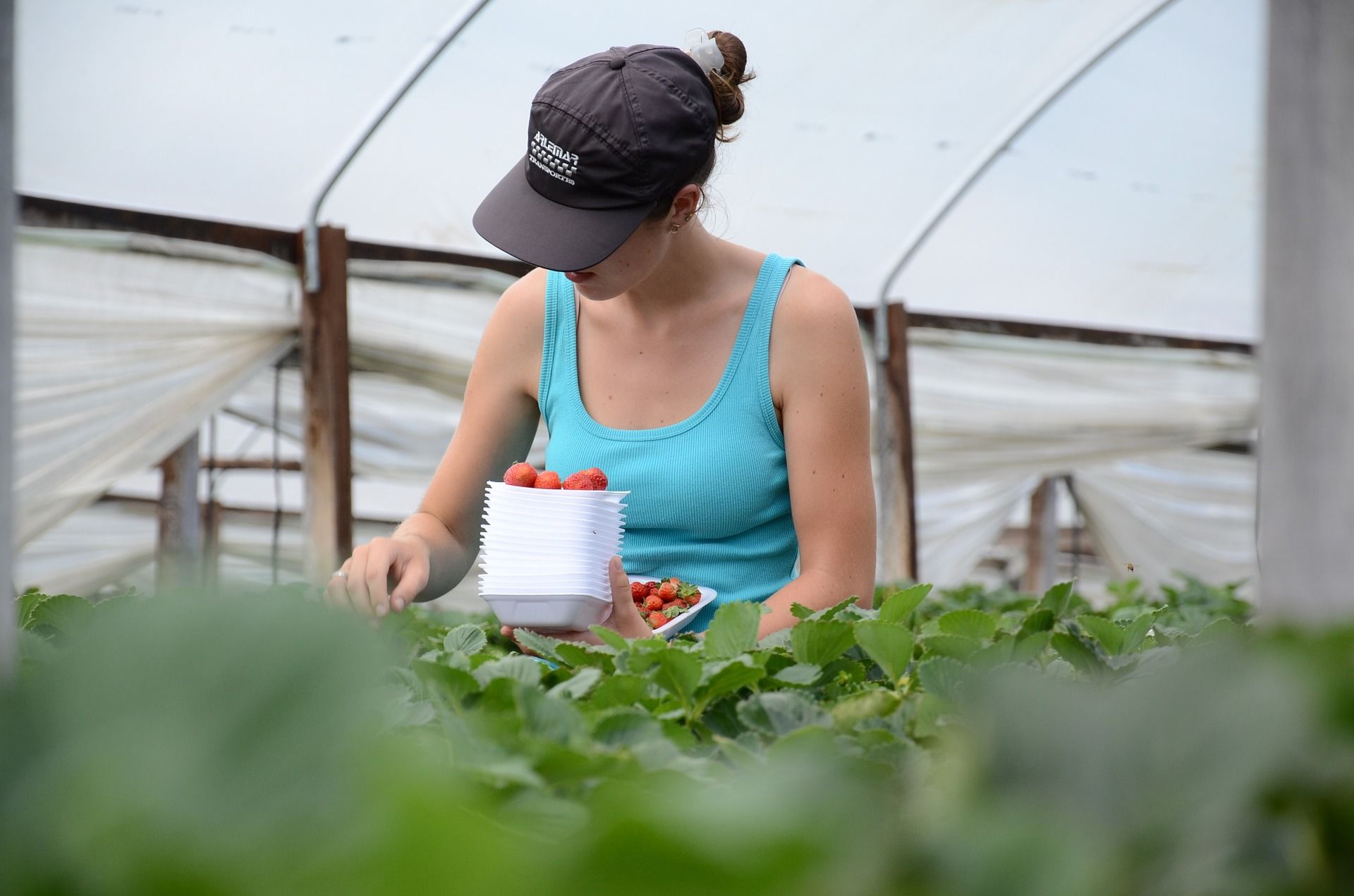
Women play a crucial role in European agriculture, often driving innovation, sustainability and diversification in rural economies. However, they remain under-represented. Currently, only 32% of farms in the EU are managed by women, and only 3% of these are managed by women under the age of 40. Women working in agriculture continue to face structural barriers to accessing land, finance, training and resources.

The new platform seeks to ensure that women’s contributions are recognised. It will support national mentoring programmes and the exchange of good practices between EU countries, including cross-border mentoring. It will encourage networking among women farmers, highlight successful projects from which others can learn, and bring practical and participatory experiences to national and EU policy-making. By developing a strong mentoring culture and network, the platform seeks to empower women in agriculture, boost their confidence and strengthen their ability to thrive within and beyond their national contexts.

In addition, the new platform will highlight model women farmers. Visibility changes mindsets, and agriculture has long been considered a male-dominated sector. Showcasing successful women challenges that stereotype and normalises female leadership in agriculture. When young women see others managing farms, innovating and leading rural businesses, it becomes easier for them to imagine themselves in those roles.

By recognising the role women play in the agricultural sector, we are not only celebrating success; we are helping to normalise women’s leadership and strengthen the future resilience of the agricultural sector.

It will also support the alignment of EU agricultural and rural development policies with the Union’s commitments on gender equality, strengthen rural communities and boost generational renewal.

In practice, the current Common Agricultural Policy explicitly promotes women’s participation in agriculture and the rural economy. Member States now have greater scope to introduce specific measures, including increased financial support, for women farmers. At the same time, we are improving the collection of gender-disaggregated data, as better quality data means better evidence-based policy-making. In 2024 alone, 55,300 young women received support to set up their own agricultural businesses and benefit from additional financial aid.

Europe’s agricultural future must be inclusive, progressive and based on equal opportunities. Discover theWomen in Farming Platformand how to apply.

More information: European Commission. 
Publicaciones relacionadas:

The Commission seeks opinions to boost women’s participation in research and innovation jovenes mirando por la ventanaThe Commission presents the first Strategy on Intergenerational Equity mujeres sonriendo juntasEuropean Commission: Gender Equality Strategy Women’s rights in the EU Almost 1 in 2 women in the EU have experienced psychological violence

Agriculture, Livestock Farming and Fisheries,  Equality,  EU News,  Social Affairs agriculture sector,  communities,  Equality,  EU,  Europe,  European Commission,  farmer,  News,  normal,  opportunity,  platform,  policies,  resilience,  roles,  rural,  sector,  visible,  women

“This is a space for debate. All comments, for or against publication, that are respectful and do not contain expressions that are discriminatory, defamatory or contrary to current legislation will be published”.

Reader Interactions

Leave a Reply Cancel reply

Your email address will not be published. Required fields are marked *

This site uses Akismet to reduce spam. Learn how your comment data is processed.

Primary Sidebar

Footer

  • CDE Almería
  • Biblioteca Nicolás Salmerón – Universidad de Almería
  • Planta: 1ª, Despacho: 1.05.0B.
  • Ctra. Sacramento s/n. Almería (Spain)
  • Teléfono: (+34) 950 015266

HOME
NEWS
DOCUMENTATION
EUROPE ON THE NET
ABOUT US

  • LEGAL NOTICE
  • PRIVACY POLICY
  • COOKIE POLICY
  • ACCESSIBILITY
  • SITEMAP

Copyright © 2026 CDE Almería · Creative Commons LicenseThis work is licensed under a Creative Commons Attribution-NonCommercial 4.0 International License.

<p>El Centro de Documentación Europea de la Universidad de Almería utiliza cookies propias y de terceros para facilitar al usuario la navegación en su página Web y el acceso a los distintos contenidos alojados en la misma. Asimismo, se utilizan cookies analíticas de terceros para medir la interacción de los usuarios con el sitio Web. Pinche el siguiente enlace si desea información sobre el uso de cookies y como deshabilitarlas. </p>

Politica de privacidad

El Centro de Documentación Europea de la Universidad de Almería utiliza cookies propias y de terceros para facilitar al usuario la navegación en su página Web y el acceso a los distintos contenidos alojados en la misma. Asimismo, se utilizan cookies analíticas de terceros para medir la interacción de los usuarios con el sitio Web. Pinche el siguiente enlace si desea información sobre el uso de cookies y como deshabilitarlas. <a href="/politica-de-cookies" rel="noopener" target="_blank">Más información</a>

Cookies estrictamente necesarias

Las cookies estrictamente necesarias tiene que activarse siempre para que podamos guardar tus preferencias de ajustes de cookies.

Básicamente la web no funcionara bien si no las activas.

Estas cookies son:

  • Comprobación de inicio de sesión.
  • Cookies de seguridad.
  • Aceptación/rechazo previo de cookies.
Cookies de terceros

Esta web utiliza Google Analytics, Google Tag Manager y Yandex Metrika para recopilar información anónima tal como el número de visitantes del sitio, o las páginas más populares.

Dejar estas cookies activas nos permite mejorar nuestra web.

Política de cookies

Pinche el siguiente enlace si desea información sobre el uso de cookies y como deshabilitarlas. Más información