
The European Commission has proposed to renew and strengthen the legal framework for the European Heritage Label. This scheme was adopted in 2011 with the aim of providing European Union recognition for sites — buildings, monuments, documents — of exceptional symbolic value that have played a key role in shaping Europe’s history, culture and integration.
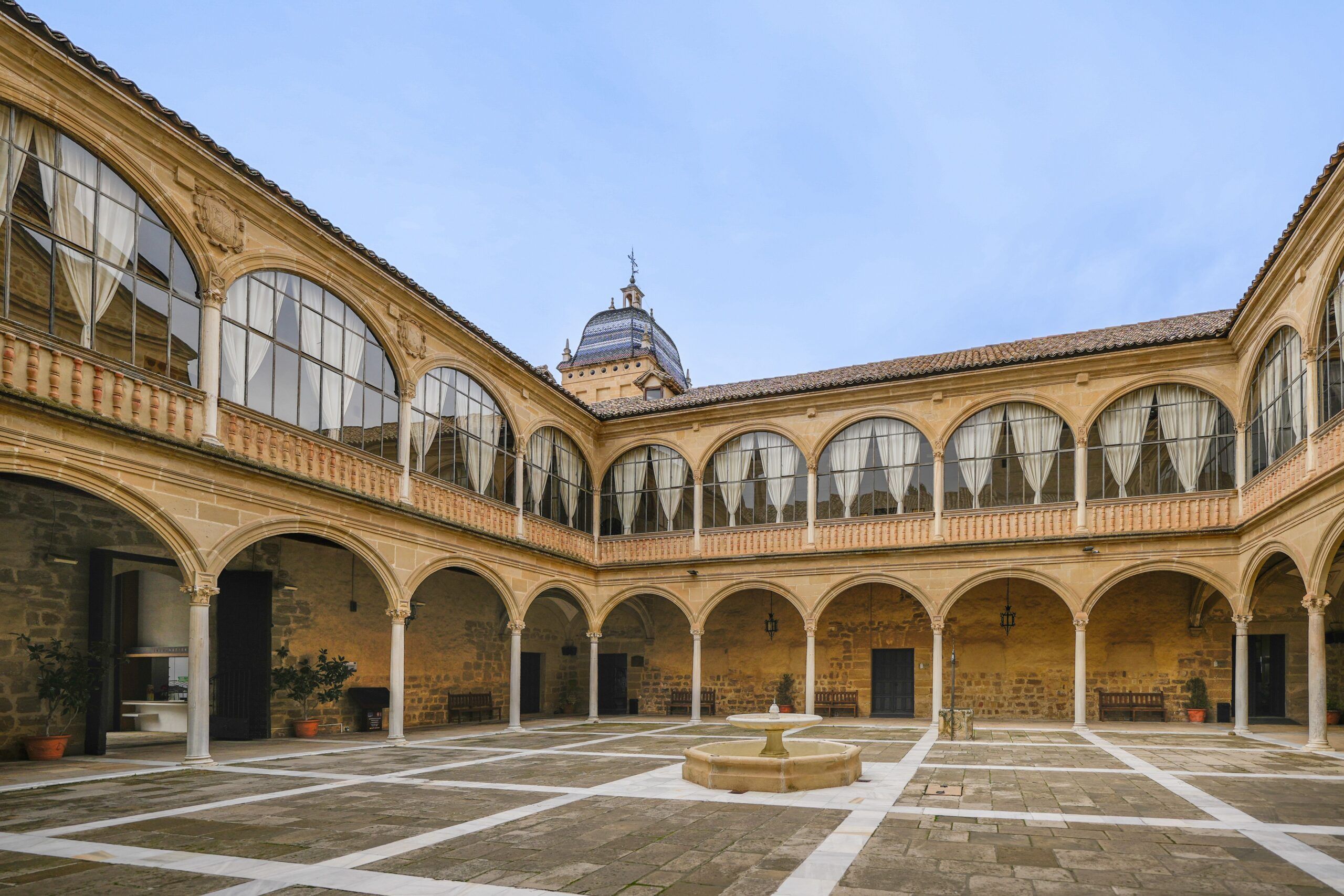
The proposal aims to give new impetus to the initiative and strengthen its European dimension, showcasing a vibrant network of sites which, taken together, tell the story of Europe and give greater recognition to the cultural experiences these sites offer.
As part of this, the proposal includes renaming the initiative from the European Heritage Seal to the European Heritage List.
According to the proposal, an award would recognise the impact of the selected and monitored sites on the ground, alongside measures to provide greater visibility, support and coordination. The new framework would facilitate the participation and collaboration of the sites, give young people a greater voice and introduce changes to the selection and monitoring process, with clearer criteria and procedures.
Among the proposal’s objectives is to foster European citizens’ understanding of Europe’s history and the construction of the Union. It is also expected to contribute to the attractiveness, economic development and sustainable development of the regions where the sites are located, particularly through cultural tourism. Furthermore, the European Heritage List will extend its recognition to sites in Iceland, Liechtenstein and Norway, as well as to candidate countries or potential candidates for EU membership associated with the Creative Europe programme or its successors.
Next steps
The Commission’s proposal will now be negotiated in the European Parliament and the Council.
Background
Currently, the European Heritage Label connects 80 sites spread across more than 300 locations in 23 Member States.
Supported by the EU’sCreative Europe programme, the European Heritage Label was established in 2011.
More information: European Commission
Publicaciones relacionadas:
 The Commission sets out the next chapter for the European Capitals of Culture following more than 40 years of success
 The Europe Pavilion at the Book Fair celebrates Spain’s 40 years in the EU
 Spanish film Sorda, among the finalists for the LUX 2026 Audience Award
 Commission launches new Culture Compass for Europe
 International Day of Holocaust Remembrance
Leave a Reply