
The European Commission has approved a financial package setting out the budgetary arrangements that will apply to Montenegro following its accession to the European Union. Montenegro is making progress in the accession process, and this proposal represents a significant step on its path towards integration into the Union, following the recent agreement reached by the Member States to begin drafting the Accession Treaty.
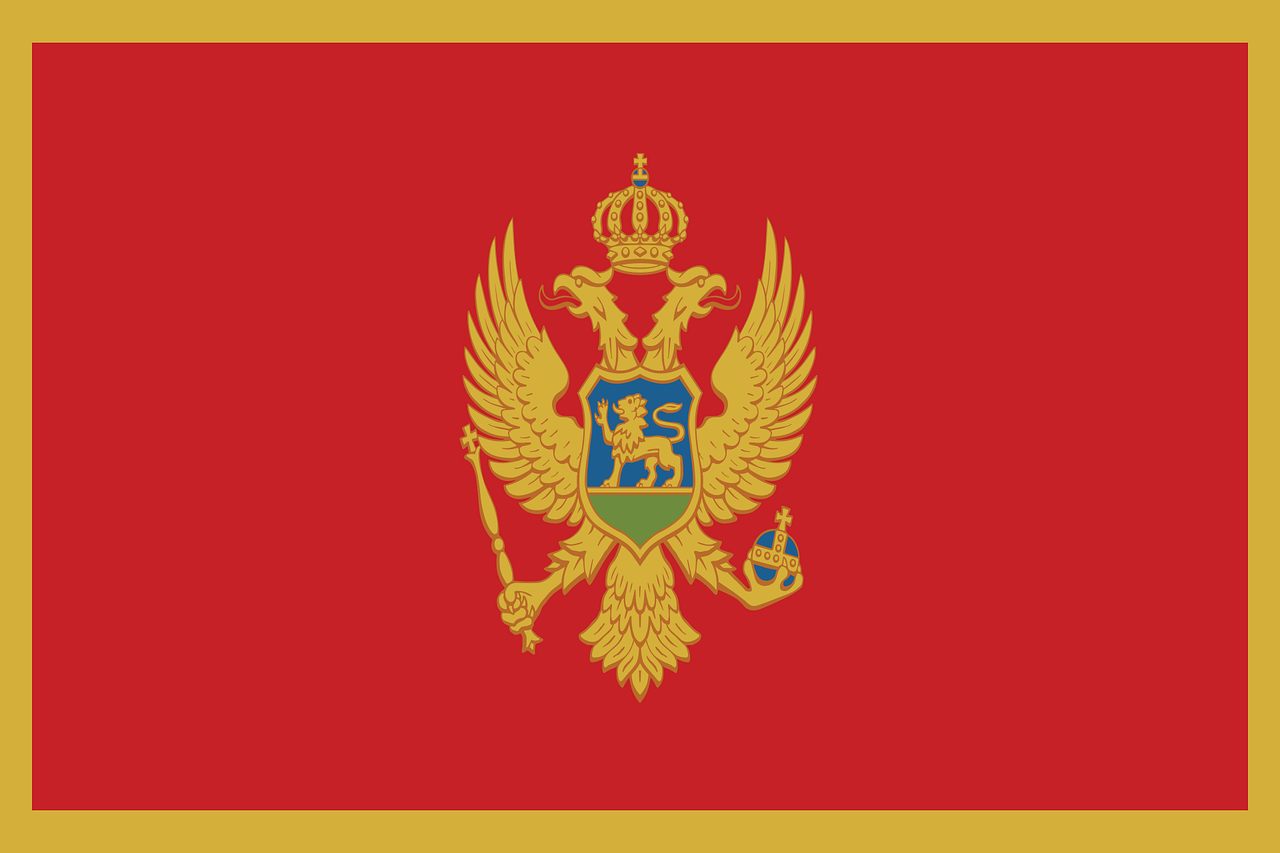
The package of measures presented falls under Chapter 33 – Financial and Budgetary Provisions – of Montenegro’s accession negotiations. It provides a clear overview of the anticipated financial implications of Montenegro’s accession to the EU.
Enlargement is a credible and strategic investment in Europe’s stability, unity and prosperity. Montenegro’s progress demonstrates that, with sustained reforms and political commitment, accession can move from being an aspiration to a reality.
President von der Leyen stated:“The package of measures announced today marks another concrete step towards Montenegro’s future within our Union. We are preparing Montenegro, the Member States and our institutions. Because enlargement is successful when it is a shared European project, based on merit, commitment and trust.”
Preparations for Montenegro’s smooth transition to the EU
This package is designed to ensure Montenegro’s full participation in EU policies and the EU budget, both as a beneficiary and as a contributor. Its aim is to prevent disruptions to funding and minimise unnecessary administrative burdens. All the financial implications set out in the package are based on the Commission’s proposal for the EU’s long-term budget of 16 July 2025.
In this package, the Commission proposes a clear path on an equal footing and with the same level of ambition as the other Member States. This will help to accelerate economic convergence, boost sustained growth and further foster integration into the EU Single Market, to the benefit of both Montenegro and the other Member States. Montenegrin citizens, businesses and institutions will benefit from greater investment, stronger public institutions and deeper integration. A larger Union is also a stronger Union. At the same time, Montenegro’s accession will contribute to Europe’s stability, connectivity and competitiveness.
Under the Commission’s proposal for the EU’s next long-term budget, support for Member States will be channelled through results-based plans, covering areas such as regional development, agriculture, social policy and home affairs, with disbursements linked to the implementation of agreed measures. In the same vein, the financial package for Montenegro provides for a structured transition from pre-accession aid to support from the EU’s internal funds. This will help to ensure continuity, strengthen implementation and ensure that EU funding is firmly focused on results.
Next steps
The Commission has submitted its proposal on the financial package for Montenegro to the Council of the EU. This package is subject to negotiation between the EU and Montenegro. On the basis of this financial package, the Commission will also submit to the Council a draft common position on Chapter 33 – Financial and budgetary provisions.
Background
Accession negotiations with Montenegro began on 29 June 2012. To date, accession negotiations have been opened on all 33 chapters of EU law and regulations, of which 16 have been provisionally closed. In May 2026, an ad hoc Council working group was set up to draft the Treaty of Accession with Montenegro.
Negotiations are currently underway for the EU’s next long-term budget (the Multiannual Financial Framework or MFF).
More information: European Commission.
Publicaciones relacionadas:
 EU and Montenegro make progress in accession negotiations
 The EU and Mexico strengthen their long-term ties at a historic summit
 The Commission proposes a free and secure data circulation zone between the EU and Brazil
 New strategy to strengthen prosperity and security with India
 The first EU-Egypt summit will be held in Brussels on 22 October
Leave a Reply