
Last April 24, the Commission is presenting a proposal to integrate the landmark international Biodiversity Beyond National Jurisdiction’ (BBNJ) Agreement, which aims to protect the ocean, tackle environmental degradation, fight climate change, and curb biodiversity loss, into EU law. This will also help the Member States with the implementation in their national systems.
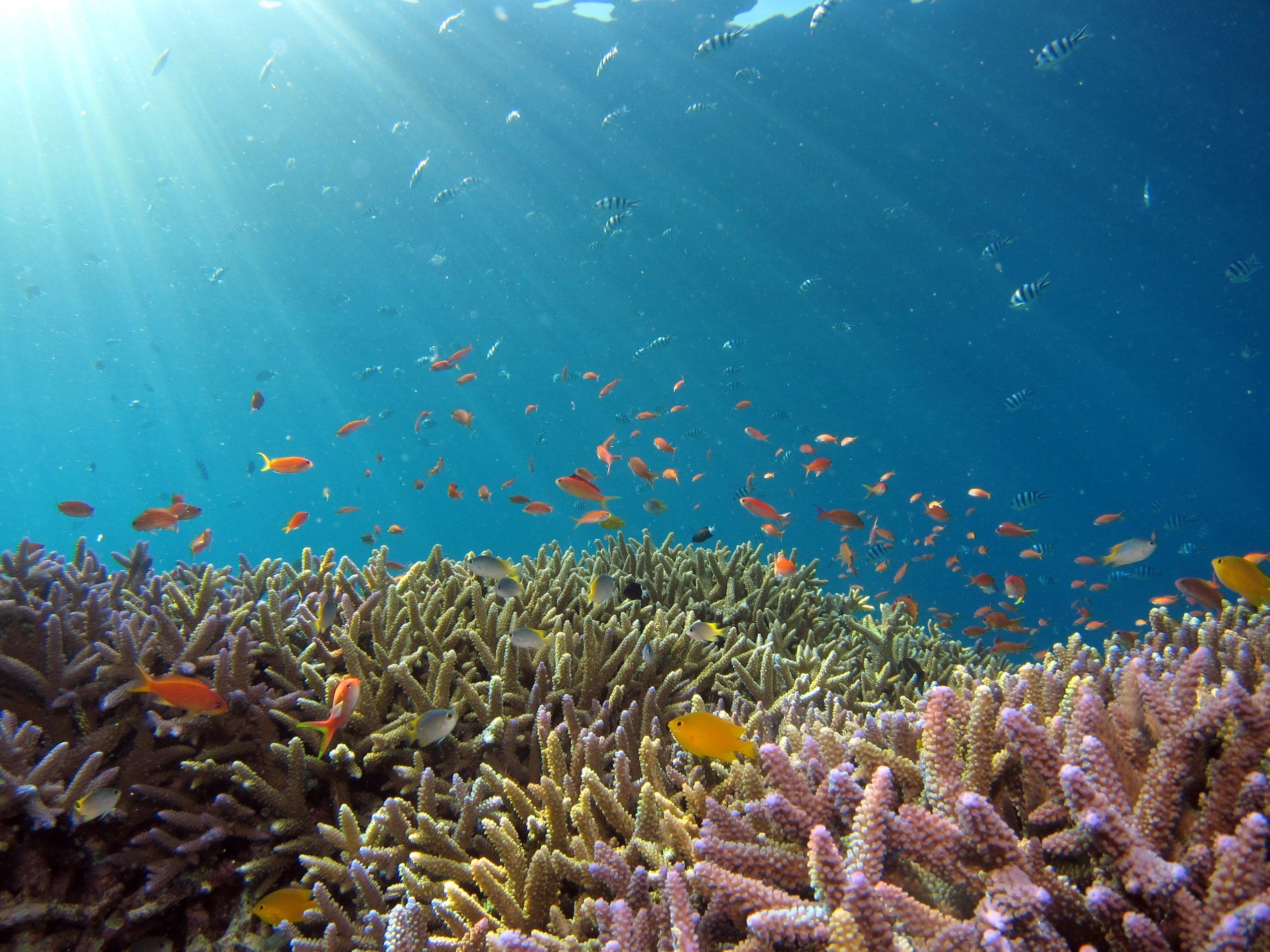
Signed by the President of the European Commission, Ursula von der Leyen, on behalf of the European Union in September 2023, this Agreement – also known as the Treaty of the High Seas – will help reach the goals and targets set under the Kunming-Montreal Global Biodiversity Framework. This includes protecting at least 30% of the ocean by 2030 and increasing benefit sharing from genetic resources and digital sequence information.
While EU law is already largely aligned with significant parts of the BBNJ, the proposed directive will help Member States implement all parts of the Agreement. The directive focuses on the following provisions of the BBNJ Agreement, while keeping the regulatory burden to a minimum:
- Large-scale marine protected areas will be established in international waters to conserve marine life.
- Before approving activities in international waters, Member States will need to evaluate their potential impact on the marine environment (through Environmental impact assessments). This evaluation process should ensure transparency, accountability, broad public participation and fair conditions for all parties involved, and avoid undue burden.
- EU researchers, particularly those collaborating across borders on marine genetic resources, will be assisted by facilitating the sharing of genetic resources. This will ensure fair distribution of benefits from marine genetic resources and digital sequence information, in line with the COP16 Cali Fund.
The proposed directive will promote good governance and ocean sustainability, in line with the upcoming European Ocean Pact.
It will also simplify and harmonise administrative processes and ensure the level playing field in the EU.
Next steps
The proposal to integrate the Biodiversity Beyond National Jurisdiction’ Agreement into EU law will now be discussed by the European Parliament and the Council.
The BBNJ Agreement will enter into force 120 days after 60 countries have ratified and submitted their ratification documents. The EU is committed to ratifying the BBNJ Agreement before the UN Ocean Conference, in Nice, in June 2025.
The directive proposed today will need to be in place before the BBNJ agreement takes effect.
Background
Areas beyond national jurisdiction make up nearly two-thirds of the world’s ocean, including the high seas and the seabed. These areas are rich in marine resources and biodiversity, providing essential ecological, economic, social, health, cultural, scientific and food-security benefits. However, they are under mounting pressure from pollution, overexploitation, climate change and decreasing biodiversity, and therefore in need of urgent protection.
In response to these challenges 89 countries signed the ‘Biodiversity Beyond National Jurisdiction’ treaty in 2023.
The BBNJ Agreement will further implement existing principles of the United Nations Convention on the Law of the Sea (UNCLOS) to achieve a more holistic and sustainable management of activities carried out in the high seas. Key principles include cooperation, protection of the marine environment and conducting prior impact assessments. The new agreement updates UNCLOS to address current challenges and supports the Agenda 2030 for Sustainable Development, in particular Sustainable Development Goal 14 (‘Life Below Water’).
More information: European Commission
Publicaciones relacionadas:
 EU regions and cities collaborate with UNEP to accelerate multilevel action on climate and environment
 New rules to reduce microplastic pollution
 How is the EU acting on climate change?
 How the European Union contributes to the protection of the oceans
 EU launches roadmap with partners at COP29 to reach the goal of reducing methane emissions by at least 30% by 2030
Leave a Reply