
On 24 July, the European Commission sent TikTok some preliminary findings indicating that TikTok accounts held by minors do not meet the safety standards required by the Digital Services Act (DSA).
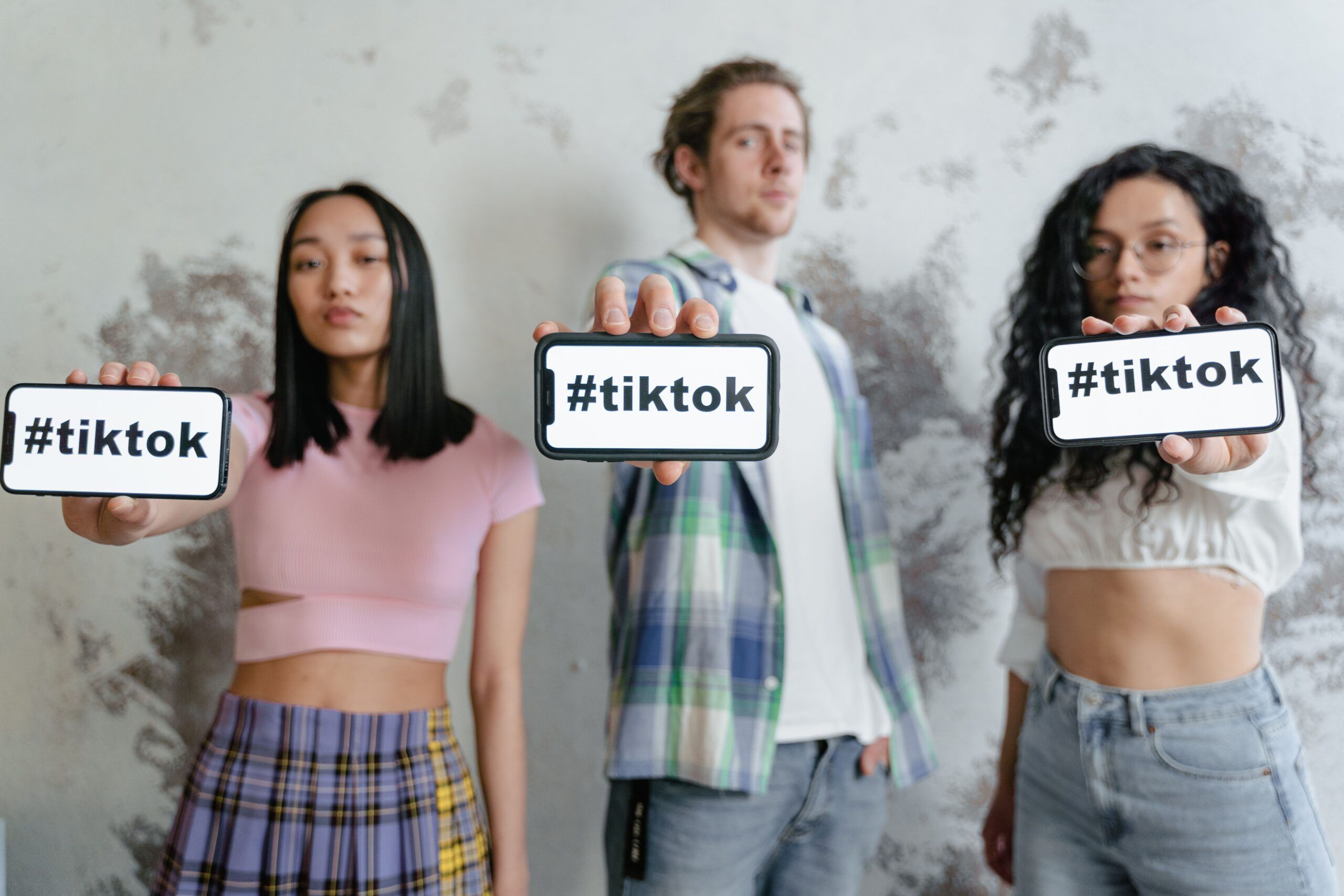
On TikTok, minors can set their account to public. This means that any user, even those without a TikTok account, will be able to view their content. This setting also allows content posted by minors (aged 16 to 17) to be recommended to other TikTok users via the ‘For You’ section.
This exposure could result in unwanted contact from potential predators and the risk of the content being used for cyberbullying. This feature potentially allows strangers to gain access to a minor’s life. Furthermore, given that what minors post may remain online indefinitely and follow them into adulthood, this feature carries risks with potentially lifelong consequences.
Even when minors choose private accounts, these can be easily found via other users’ ‘following’ and ‘followers’ lists, and their profile pictures remain accessible to anyone, including users without a TikTok account. TikTok’s settings continue to expose them to risks such as unwanted contact, cyberbullying or predatory behaviour.
Account settings are crucial to ensuring the online safety of minors, as they determine who can view their content and who can contact them. Under the Digital Services Act (DSA), platforms accessible to minors must ensure a high standard of privacy, security and protection within their service. The Commission’s preliminary view is that TikTok’s account settings do not meet this standard, as they expose children’s accounts and content to excessive risk.
The Commission provisionally considers that TikTok, in accordance with the Guidelines on the Protection of Minors, should adjust the default settings for minors’ public accounts so that their content is, by default, visible only to TikTok users whom the minor has approved. Whilst older minors may have the option to share their content with a wider audience on TikTok, this content should under no circumstances be accessible to a global audience outside the platform. Furthermore, TikTok should refrain from recommending minors’ content to other TikTok users via the ‘For You’ section.
These preliminary findings do not prejudge the final outcome of the investigation.
Next steps
TikTok now has the opportunity to examine the documents in the Commission’s investigation files and to respond in writing to the Commission’s preliminary findings. At the same time, the European Digital Services Board will be consulted.
If the Commission confirms its findings, it may issue an infringement decision, which may result in a fine, the amount of which will depend on the nature, gravity, frequency and duration of the infringement. The amount of the fine must be proportionate and may in no case exceed 6 per cent of the provider’s total annual turnover.
Background
Creating an account is one of the first points of contact that users, including children, have with a platform. The initial decisions children make during this process have a significant and potentially long-lasting impact on their overall experience. Therefore, in its Guidelines on the protection of children, the Commission recommends that platforms provide, by default, account settings that ensure the highest level of privacy, security and protection, and that they design children’s accounts to be secure even when these default settings are changed.
The Commission’s preliminary findings form part of itsformal procedureto investigate TikTok’s compliance with the Digital Services Act, which was launched on 19 February 2024. These findings are based on a thorough investigation that included an analysis of TikTok’s interface, internal data and documents, as well as interviews with law enforcement officials and experts in child protection, child abuse and neuropsychology. The Commission drew on the Guidelines on the Protection of Minors to assess TikTok’s compliance with its obligation to ensure a high level of privacy, security and protection for minors.
The investigation also covered TikTok’s potentially addictive design, on which preliminary conclusions were adoptedin February this year. Furthermore, this investigation covered access to public data for researchers – on which preliminary conclusions were adopted in October 2025 – and advertising transparency, which was concluded through binding commitments in December 2025.
This investigation also covers the ‘rabbit hole effect’ of TikTok’s recommendation systems and the risk that minors may have an experience unsuitable for their age due to a misrepresentation of their age. The investigation into these issues is ongoing.
Quotes:
Children deserve a safe experience from the moment they go online. The Digital Services Act requires platforms to build child protection measures into the design of their services and holds them accountable when they fail to do so. A high level of protection should not be optional, but the norm. This is our responsibility towards present and future generations of European children. –Henna Virkkunen, Executive Vice-President for Technological Sovereignty, Security and Democracy.
More information: European Commission
Publicaciones relacionadas:
 Commission presents Roadmap for law enforcement data access
 Stronger customs controls and cooperation on product compliance
 Commission holds first meeting of Special Panel on child safety online
 How do we protect personal data?
The EU and Brazil sign agreements to create the world’s largest zone of free and secure data flows
How do we protect personal data?
The EU and Brazil sign agreements to create the world’s largest zone of free and secure data flows
Leave a Reply