• Skip to primary navigation
  • Skip to main content
  • Skip to primary sidebar
  • Skip to footer
  • Bluesky
  • Facebook
  • Instagram
  • Twitter
  • YouTube
CDE Almería – Centro de Documentación Europea – Universidad de Almería

CDE Almería - Centro de Documentación Europea - Universidad de Almería

Centro de Documentación Europea de la Universidad de Almería

  • HOME
  • WHAT´S ON
    • EU NEWS
    • Activities
    • EU Calls and Awards
    • Radio Program «Europe with You»
  • DOCUMENTATION
    • EU Media Collection
      • Web Space
      • MEDIATHEQUE REPOSITORY
  • Europe on the net
    • Institutions
    • EU Representation in Spain
    • European information network of Andalusia
  • ABOUT US
    • Presentation
    • Services
    • People
    • Contact
  • Spanish
  • English

The Commission approves a new geographical indication for Spain

Inicio » EU News » Agriculture, Livestock Farming and Fisheries » The Commission approves a new geographical indication for Spain

2 de February de 2026

The European Commission has approved the inclusion of Spain’s “Miel de Málaga” (Malaga honey) in its register of Protected Designations of Origin (PDO).
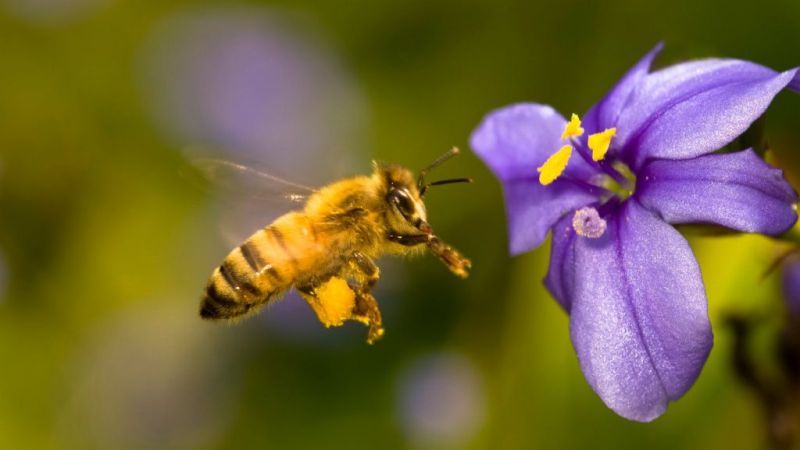
abeja tomando miel de una flor

“Miel de Málaga” is a food produced by bees from the nectar of flowers or processed secretions from the living parts of plants in the province of Málaga. The honey must be classified according to its botanical origin, whether floral, vegetable or honeydew honey. The geographical and climatic diversity of Málaga gives rise to eight different varieties (one multifloral and seven monofloral) that are distinguished by their unique fruity and floral aromas and flavours, which include, in particular, bitter, astringent, acidic and salty notes that contrast with the characteristic sweetness of honey. The warm temperatures in the area accelerate the loss of moisture in the honeycomb, speeding up the maturation process and, consequently, the harvest of ‘Miel de Málaga’. In addition, the long hours of sunshine in this province allow the hives to be active for longer, which means that beekeepers can extract honey several times a year.

This new designation joins the more than 3,900 protected names already listed in the eAmbrosia database. More information on the Quality Policy pages.

More information: European Commission. 


Publicaciones relacionadas:
Eurostat: EU fruit and vegetable production in 2022 Commission approves new geographical indication for Spain barco de pescaCommission proposes 2026 fishing opportunities for EU-managed stocks in the Atlantic and Skagerrak-Kattegat waters EU opens registration for craft and industrial product names under new geographical indication scheme AU-EU agrifood platform: reinforcing the link between the EU and African private sectors
Agriculture, Livestock Farming and Fisheries,  EU News botanical,  climatic diversity,  EU,  Flowers,  Honey,  Málaga,  monofloral,  multifloral,  nectar,  News,  temperatures,  vegetable

“This is a space for debate. All comments, for or against publication, that are respectful and do not contain expressions that are discriminatory, defamatory or contrary to current legislation will be published”.

Reader Interactions

Leave a Reply Cancel reply

Your email address will not be published. Required fields are marked *

This site uses Akismet to reduce spam. Learn how your comment data is processed.

Primary Sidebar

Footer

  • CDE Almería
  • Biblioteca Nicolás Salmerón – Universidad de Almería
  • Planta: 1ª, Despacho: 1.05.0B.
  • Ctra. Sacramento s/n. Almería (Spain)
  • Teléfono: (+34) 950 015266

HOME
NEWS
DOCUMENTATION
EUROPE ON THE NET
ABOUT US

  • LEGAL NOTICE
  • PRIVACY POLICY
  • COOKIE POLICY
  • ACCESSIBILITY
  • SITEMAP

Copyright © 2026 CDE Almería · Creative Commons LicenseThis work is licensed under a Creative Commons Attribution-NonCommercial 4.0 International License.

<p>El Centro de Documentación Europea de la Universidad de Almería utiliza cookies propias y de terceros para facilitar al usuario la navegación en su página Web y el acceso a los distintos contenidos alojados en la misma. Asimismo, se utilizan cookies analíticas de terceros para medir la interacción de los usuarios con el sitio Web. Pinche el siguiente enlace si desea información sobre el uso de cookies y como deshabilitarlas. </p>

Politica de privacidad

El Centro de Documentación Europea de la Universidad de Almería utiliza cookies propias y de terceros para facilitar al usuario la navegación en su página Web y el acceso a los distintos contenidos alojados en la misma. Asimismo, se utilizan cookies analíticas de terceros para medir la interacción de los usuarios con el sitio Web. Pinche el siguiente enlace si desea información sobre el uso de cookies y como deshabilitarlas. <a href="/politica-de-cookies" rel="noopener" target="_blank">Más información</a>

Cookies estrictamente necesarias

Las cookies estrictamente necesarias tiene que activarse siempre para que podamos guardar tus preferencias de ajustes de cookies.

Básicamente la web no funcionara bien si no las activas.

Estas cookies son:

  • Comprobación de inicio de sesión.
  • Cookies de seguridad.
  • Aceptación/rechazo previo de cookies.
Cookies de terceros

Esta web utiliza Google Analytics, Google Tag Manager y Yandex Metrika para recopilar información anónima tal como el número de visitantes del sitio, o las páginas más populares.

Dejar estas cookies activas nos permite mejorar nuestra web.

Política de cookies

Pinche el siguiente enlace si desea información sobre el uso de cookies y como deshabilitarlas. Más información