
The European Commission has approved the inclusion of Spain’s “Miel de Málaga” (Malaga honey) in its register of Protected Designations of Origin (PDO).
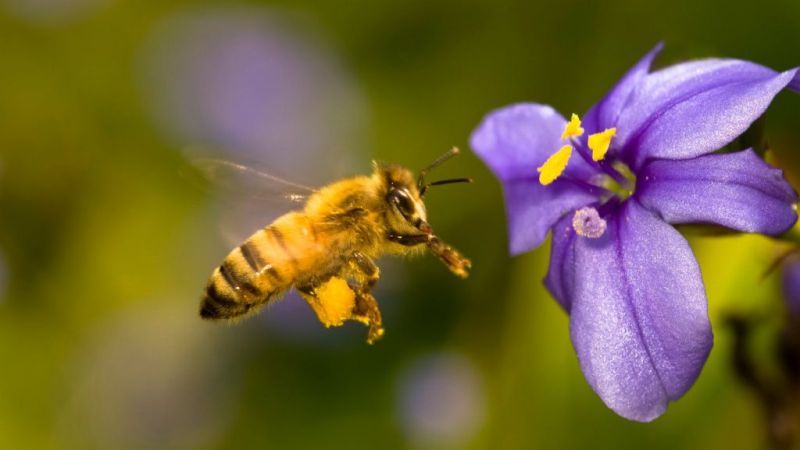
“Miel de Málaga” is a food produced by bees from the nectar of flowers or processed secretions from the living parts of plants in the province of Málaga. The honey must be classified according to its botanical origin, whether floral, vegetable or honeydew honey. The geographical and climatic diversity of Málaga gives rise to eight different varieties (one multifloral and seven monofloral) that are distinguished by their unique fruity and floral aromas and flavours, which include, in particular, bitter, astringent, acidic and salty notes that contrast with the characteristic sweetness of honey. The warm temperatures in the area accelerate the loss of moisture in the honeycomb, speeding up the maturation process and, consequently, the harvest of ‘Miel de Málaga’. In addition, the long hours of sunshine in this province allow the hives to be active for longer, which means that beekeepers can extract honey several times a year.
This new designation joins the more than 3,900 protected names already listed in the eAmbrosia database. More information on the Quality Policy pages.
More information: European Commission.
Publicaciones relacionadas:
 Eurostat: EU fruit and vegetable production in 2022
 Commission approves new geographical indication for Spain
 Commission proposes 2026 fishing opportunities for EU-managed stocks in the Atlantic and Skagerrak-Kattegat waters
 EU opens registration for craft and industrial product names under new geographical indication scheme
 AU-EU agrifood platform: reinforcing the link between the EU and African private sectors
Leave a Reply