
The European Commission has adopted a temporary state aid framework to enable Member States to support the EU economy in the context of the Middle East crisis. The Temporary Framework for State Aid Measures in Response to the Crisis in the Middle East (METSAF) is a specific, temporary framework designed to address the effects of the crisis on some of the most exposed sectors of the economy: agriculture, fisheries, transport and energy-intensive industries. METSAF will remain in force until 31 December 2026. During its period of application, the Commission will review the content, scope and duration of the framework, taking into account developments in the situation in the Middle East and the general economic situation.
Whilst the transition to a clean economy remains the long-term solution to protect EU businesses from the effects of global energy crises, the METSAF enables Member States to act immediately to ensure that the growth of the most exposed businesses is not irreparably hampered by the current crisis.
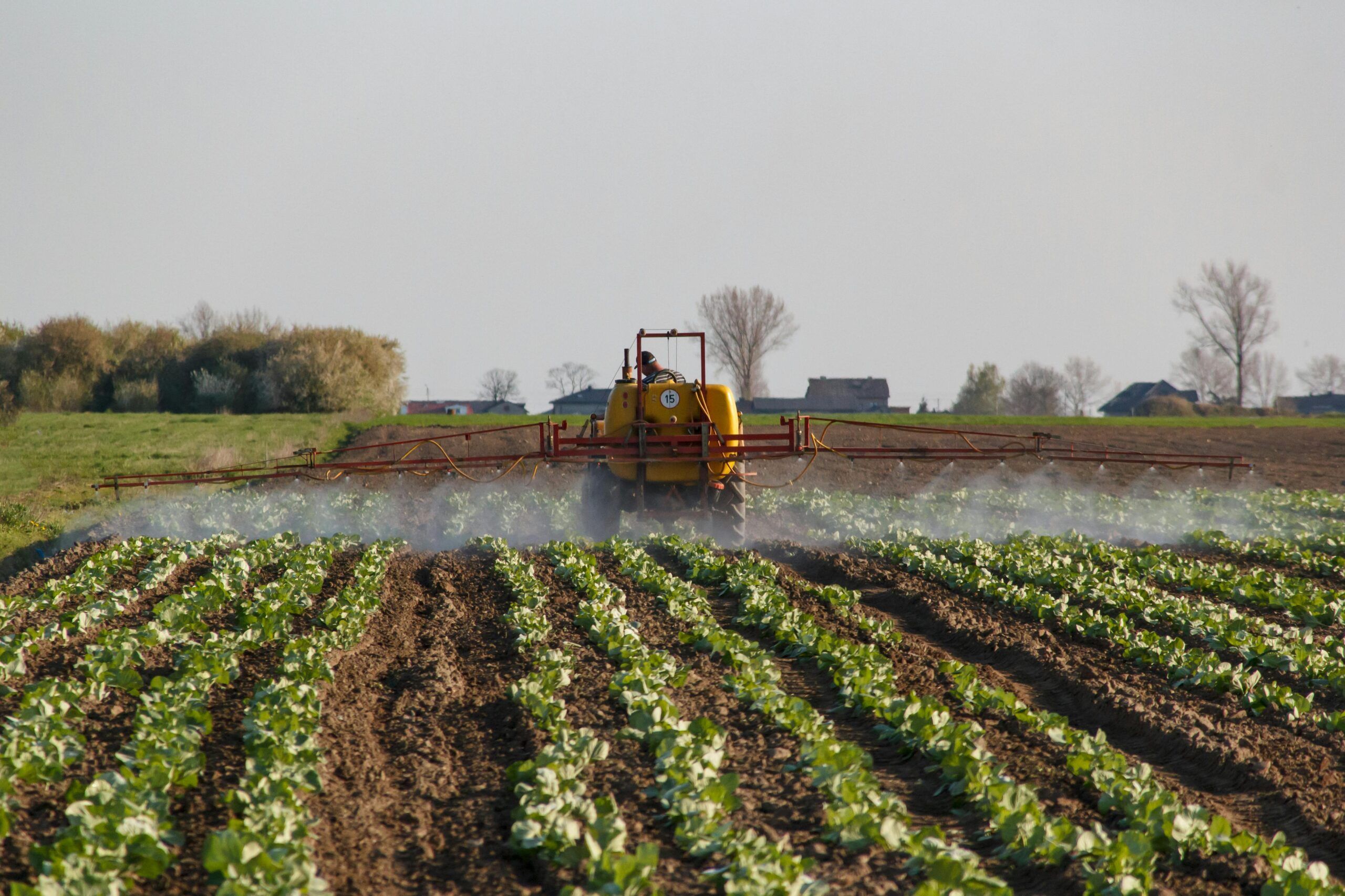
To this end, support can take various forms for businesses operating in the agriculture, fisheries and transport sectors. This includes, for example, aid based on actual consumption to cover part of the increases in fuel or fertiliser prices, and a simplified approach for small aid amounts.
METSAF also includes a temporary adjustment to the Clean Industry Pact State Aid Framework (CISAF), allowing for higher aid intensities to address sharp rises in electricity prices.
Specifically, the framework allows for the following:
- In the case of agriculture, fisheries, inland transport (by road, rail and inland waterways) and short sea shipping within the EU, Member States may compensate up to 70% of a beneficiary’s additional costs arising from the rise in fuel and fertiliser prices caused by the crisis. Each Member State will determine the price increase by examining the difference between the relevant market price and an applicable historical reference price. The total additional costs will then be calculated on the basis of the beneficiary’s current or most recent consumption prior to the crisis.
- In these sectors, a simplified option will make it easier for beneficiaries to access the aid. Member States will be allowed to calibrate the amounts of individual aid based on factors such as the size and type of beneficiaries’ activities, a general estimate of fuel consumption in the sector, or other relevant approximations, rather than requiring beneficiaries to provide detailed evidence of their actual consumption. Under this option, each beneficiary may receive up to €50,000.
- In the case of energy-intensive industries eligible for temporary electricity price reduction schemes in accordance with Section 4.5 of the CISAF, it will be possible to increase the aid intensity from 50 % to 70 % of the cost of electricity for eligible consumption. Up to 50% of the beneficiary’s total consumption may be covered. No additional decarbonisation efforts will be required. Cumulation with aid granted under the ETS State Aid Guidelines will be possible up to half the amount of aid granted under Section 4.5 of the CISAF schemes.
Aid under METSAF must be notified to the Commission. The framework will allow for a fast-track approval process.
The Commission is prepared to assess, on a case-by-case basis and subject to various requirements, temporary measures that may involve subsidising the fuel costs of gas-fired electricity generation in order to reduce overall electricity costs.
Background
In its Conclusions of 19 March 2026, the European Council called for specific temporary measures to respond to the recent sharp rises in the prices of imported fossil fuels. Furthermore, echoing the letter from the Commission President of 16 March 2026, the Council called for measures to reduce electricity prices and tackle excessive short-term volatility.
METSAF is one of the initiatives presented by the Commission to address these concerns. Member States were consulted on its formulation.
METSAF complements the wide range of options available to Member States to adopt measures in line with existing EU state aid rules. For example, EU state aid rules allow Member States to provide support to companies facing liquidity problems and in need of urgent rescue aid. Furthermore, Article 107(2)(b) of the Treaty on the Functioning of the European Union allows Member States to grant aid to firms to make good the damage caused by natural disasters or other exceptional occurrences.
In order to address the impact of the crisis in the Middle East, Member States may continue to rely on the specific State aid rules applicable to the sectors covered by METSAF. In the case of the agricultural sector, existing options include the Block Exemption Regulation for the agricultural sector or the Guidelines on State aid in the agricultural and forestry sectors and in rural areas. In the case of the fisheries sector, aid may be exempt from notification under the Block Exemption Regulation for the fisheries sector or notified in accordance with the Guidelines on State aid in the fisheries and aquaculture sector. There are also several options for supporting road and maritime transport, such as the rules on public passenger transport services by rail and road, the Guidelines on State aid to maritime transport and the General Block Exemption Regulation.
More information: European Commission.
Publicaciones relacionadas:
 The Commission is consulting Member States on the proposal for a Temporary Crisis Framework
 Spring 2025 Economic Forecast
 CETA evaluation shows strong economic and social benefits
 An ambitious budget for a stronger Europe: 2028-2034
 Commission completes proposal for the 2028-2034 EU long-term budget
Leave a Reply