
The European Commission has activated the crisis mechanism of the European Maritime, Fisheries and Aquaculture Fund (EMFAF), which enables Member States to provide financial compensation to fishermen, aquaculture producers, processors and retailers whose livelihoods have been affected by the consequences of the conflict in the Middle East. This measure, which applies retroactively from 28 February 2026, reflects the serious impact that hostilities in the region are having on the EU’s fisheries and aquaculture sector.
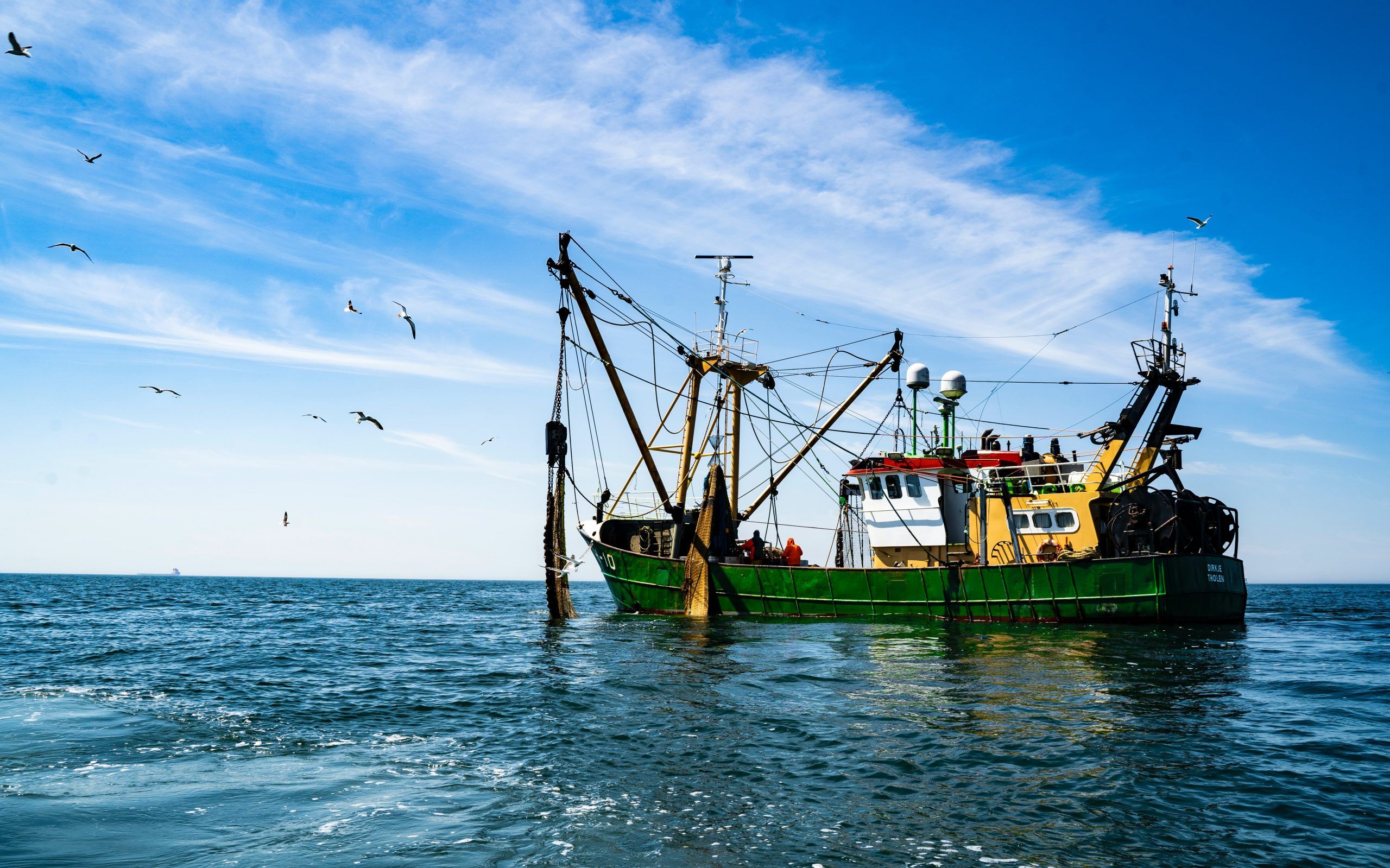
The financial support activated under this decision comes fromeach EU country’s existing allocation for the European Mobility and Energy Fund (EMFAF) under its 2021–2027 national programme, with the EU co-financing a portion of the eligible expenditure. Member States may decide to offer this support and are responsible for administering and paying the compensation directly to operators.
The emergency support measures introduced today were pre-allocated under the 2021–2027 EMFAF programme, leaving around €760 million of the initial €1.3 billion still available immediately.
The crisis also highlights the structural vulnerability of a sector dependent on fossil fuels. Accelerating the energy transition remains crucial for the long-term competitiveness, resilience and profitability of the EU’s fisheries and aquaculture sector.
Facilitating compensation to protect the sector.
Hostilities in the Middle East have sent energy and raw material prices soaring, significantly increasing operating costs and reducing profit margins in the EU fisheries and aquaculture sector. Part of the EU fishing fleet has already ceased operations due to declining profitability. The aquaculture and product processing sectors are similarly affected.
Under the activated mechanism, Member States may grant two types of aid in crisis situations:
- Financial compensation to operators in the fisheries and aquaculture sector for lost income and additional costs arising from the current market disruption, including additional costs resulting from rising energy prices;
- Storage aid for fisheries producer organisations implementing the storage mechanism under the common market organisation. This mechanism allows producer organisations to temporarily store their members’ products in order to stabilise market prices.
The EMFAF crisis mechanism is a temporary measure. Support may be provided for expenditure incurred up to the end of 2026.
Additional financial support through state aid.
The EMFAF crisis support plan adopted today will shortly be supplemented by additional support measures that Member States may offerin the form of state aid.
The Commission is consulting Member States to gather their views on a temporary and specific framework to address the effects of the crisis on some of the most vulnerable sectors of the economy, including the primary production of fishery products, such as the landing, handling or initial processing of fish. The Commission plans to adopt the Temporary Framework by the end of April.
Background
The situation in the Middle East since 28 February 2026 has severely disrupted global energy and raw materials markets. Attacks on energy infrastructure and the closure of the Strait of Hormuz have caused a sudden and significant rise in global oil prices and disrupted trade flows between the Middle East and the European Union. These disruptions are having a substantial and lasting impact on the EU fisheries and aquaculture sector.
The Commission may activate the crisis support mechanism when an exceptional event causes a significant market disruption. In such cases, Member States may decide to grant compensation to operators within their territory. A similar activation took place in 2022 following the Russian invasion of Ukraine.
More information: European Commission.
Publicaciones relacionadas:
 Launch of the European Ocean Board
 Building a sustainable future for small-scale coastal fishermen in southern Spain
 Commission launches EU Industrial, Maritime and Port Strategies to boost competitiveness across the maritime sector
 Fisheries and aquaculture: Council agrees its negotiating position on a new framework for statistics
 Organic farming in the EU: a decade of growth
Leave a Reply