• Skip to primary navigation
  • Skip to main content
  • Skip to primary sidebar
  • Skip to footer
  • Bluesky
  • Facebook
  • Instagram
  • Twitter
  • YouTube
CDE Almería – Centro de Documentación Europea – Universidad de Almería

CDE Almería - Centro de Documentación Europea - Universidad de Almería

Centro de Documentación Europea de la Universidad de Almería

  • HOME
  • WHAT´S ON
    • EU NEWS
    • Activities
    • EU Calls and Awards
    • Radio Program «Europe with You»
  • DOCUMENTATION
    • EU Media Collection
      • Web Space
      • MEDIATHEQUE REPOSITORY
  • Europe on the net
    • Institutions
    • EU Representation in Spain
    • European information network of Andalusia
  • ABOUT US
    • Presentation
    • Services
    • People
    • Contact
  • Spanish
  • English

How to reduce rising sea level risks on European coasts

Inicio » Noticias UE » Environmental Affairs » How to reduce rising sea level risks on European coasts

28 de July de 2023

A new modelling study sheds light on adaptation measures that can protect cities and urban areas along Europe’s coasts.

playa alicante

Europe’s coastal areas are highly urbanised and already experiencing the consequences of climate change. Adaptation strategies to protect coastal urban communities from rising sea levels have traditionally taken the form of hard structures such as dikes and seawalls. However, these methods are becoming less and less sustainable and more and more costly. This is why managers are turning to land use planning strategies such as setback zones – buffer areas where development is prohibited or significantly restricted – to safeguard these communities from damage caused by high tides or storm surges.

Researchers from Christian-Albrechts University Kiel in Germany have now carried out the first Europe-wide study to investigate precisely how efficient different types of setback zones are in reducing future urban exposure to sea level rise and related hazards. Supported by the EU-funded CoCliCo project, the study shows that setting up coastal setback zones could help make new urban development at least 50 % less vulnerable to such risks in most EU Member States by 2100.
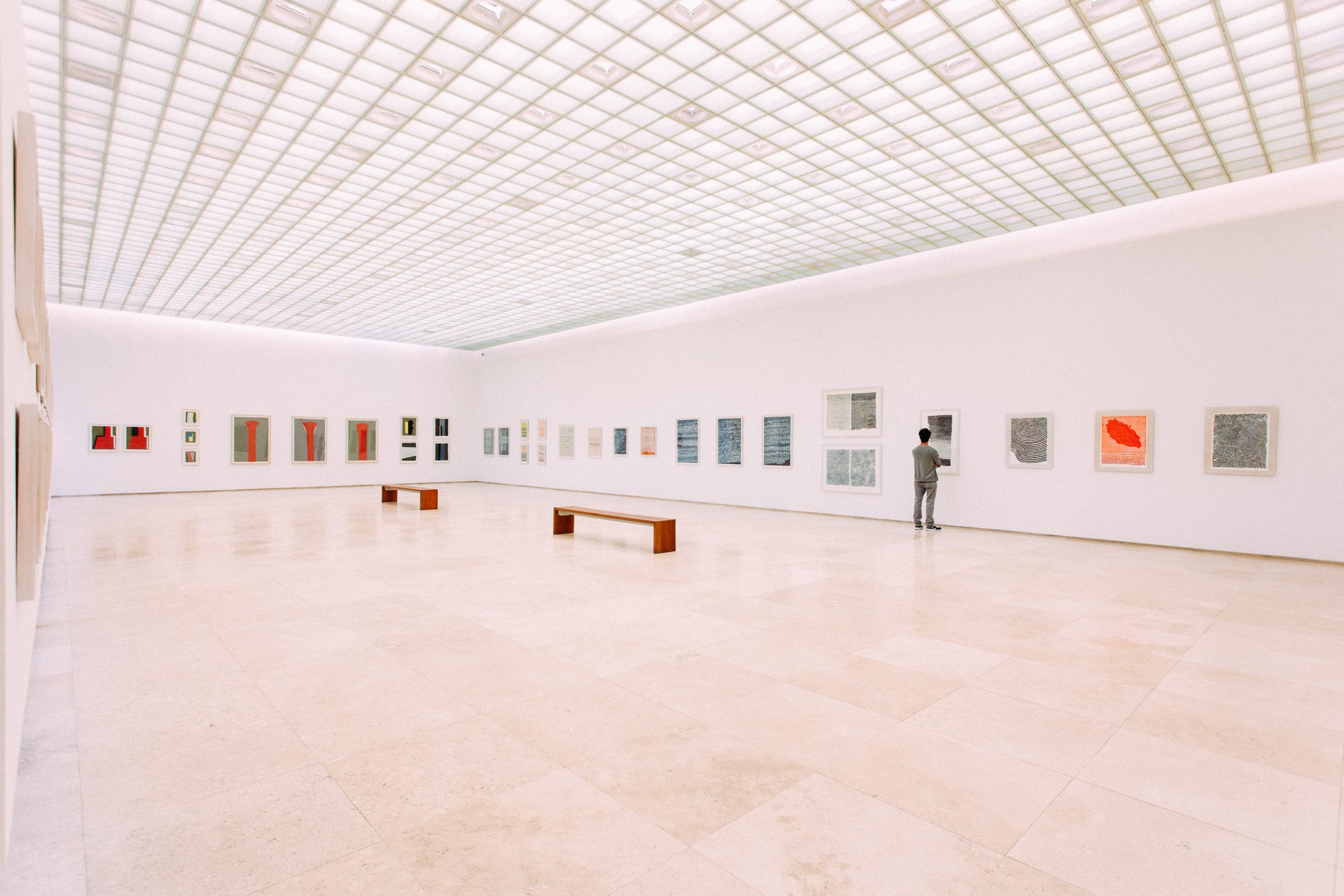
CORDIS: How to attract more visitors to modern art museums

It all depends on us

The research team developed spatially explicit projections of urban extent for all coastal EU Member States, as well as Bosnia and Herzegovina, Great Britain and Norway, for different socioeconomic futures and various types of setback zones. Using an artificial neural network, they first predicted each country’s urban development potential based on its elevation, population density or distance from the road network.

Next, the team calculated the future demand for urban land and created spatially explicit urban extent projections with a 100-metre resolution. To see how such spatial planning tools fare against rising sea levels, they then integrated various setback zones into these projections. Their findings show that future urban exposure to rising sea levels and their related risks will mainly depend on how we plan, design and develop urban space in Europe’s coastal areas.

“Our modeling study is the first of its kind and can help to develop appropriate adaptation measures to protect cities and urban areas along Europe’s coasts,” remarks the study’s first author Dr Claudia Wolff in a news item posted on the website of Christian-Albrechts University Kiel. “The development of coastal setback zones should consider not only the distance from the coast, but also the elevation of the terrain above sea level. To our knowledge this aspect is currently not being discussed at the European level. We believe by taking this into account, cities and coastal areas can be better protected from the potential risks of rising sea levels in the future.”

The CoCliCo (COASTAL CLIMATE CORE SERVICES) project’s overall objective is to deliver an open web platform, in this way helping, as study senior author Prof. Athanasios Vafeidis explains, “to better inform decision-makers about adaptation measures for coastal protection and sea level rise.” The study has been published in the journal ‘Scientific Reports’.

More information: CORDIS

Publicaciones relacionadas:

medio ambiente , economía circular , pacto verdeA New Circular Economy Action Plan for a Cleaner and More Competitive Europe GEOTHERMICA, the new European initiative BSO – Tracking energy in our buildings La Comisión Europea aprueba la medida española y portuguesa para reducir el precio de la electricidadEnergy security in the EU New R&T project to improve resilience of cold weather operations

Environmental Affairs,  EU News adaptation,  coast,  coastal areas,  CoCliCo,  sea level,  setback zone,  urban development

“This is a space for debate. All comments, for or against publication, that are respectful and do not contain expressions that are discriminatory, defamatory or contrary to current legislation will be published”.

Reader Interactions

Leave a Reply Cancel reply

Your email address will not be published. Required fields are marked *

This site uses Akismet to reduce spam. Learn how your comment data is processed.

Primary Sidebar

Footer

  • CDE Almería
  • Biblioteca Nicolás Salmerón – Universidad de Almería
  • Planta: 1ª, Despacho: 1.05.0B.
  • Ctra. Sacramento s/n. Almería (Spain)
  • Teléfono: (+34) 950 015266

HOME
NEWS
DOCUMENTATION
EUROPE ON THE NET
ABOUT US

  • LEGAL NOTICE
  • PRIVACY POLICY
  • COOKIE POLICY
  • ACCESSIBILITY
  • SITEMAP

Copyright © 2026 CDE Almería · Creative Commons LicenseThis work is licensed under a Creative Commons Attribution-NonCommercial 4.0 International License.

<p>El Centro de Documentación Europea de la Universidad de Almería utiliza cookies propias y de terceros para facilitar al usuario la navegación en su página Web y el acceso a los distintos contenidos alojados en la misma. Asimismo, se utilizan cookies analíticas de terceros para medir la interacción de los usuarios con el sitio Web. Pinche el siguiente enlace si desea información sobre el uso de cookies y como deshabilitarlas. </p>

Politica de privacidad

El Centro de Documentación Europea de la Universidad de Almería utiliza cookies propias y de terceros para facilitar al usuario la navegación en su página Web y el acceso a los distintos contenidos alojados en la misma. Asimismo, se utilizan cookies analíticas de terceros para medir la interacción de los usuarios con el sitio Web. Pinche el siguiente enlace si desea información sobre el uso de cookies y como deshabilitarlas. <a href="/politica-de-cookies" rel="noopener" target="_blank">Más información</a>

Cookies estrictamente necesarias

Las cookies estrictamente necesarias tiene que activarse siempre para que podamos guardar tus preferencias de ajustes de cookies.

Básicamente la web no funcionara bien si no las activas.

Estas cookies son:

  • Comprobación de inicio de sesión.
  • Cookies de seguridad.
  • Aceptación/rechazo previo de cookies.
Cookies de terceros

Esta web utiliza Google Analytics, Google Tag Manager y Yandex Metrika para recopilar información anónima tal como el número de visitantes del sitio, o las páginas más populares.

Dejar estas cookies activas nos permite mejorar nuestra web.

Política de cookies

Pinche el siguiente enlace si desea información sobre el uso de cookies y como deshabilitarlas. Más información