• Skip to primary navigation
  • Skip to main content
  • Skip to primary sidebar
  • Skip to footer
  • Bluesky
  • Facebook
  • Instagram
  • Twitter
  • YouTube
CDE Almería – Centro de Documentación Europea – Universidad de Almería

CDE Almería - Centro de Documentación Europea - Universidad de Almería

Centro de Documentación Europea de la Universidad de Almería

  • HOME
  • WHAT´S ON
    • EU NEWS
    • Activities
    • EU Calls and Awards
    • Radio Program «Europe with You»
  • DOCUMENTATION
    • EU Media Collection
      • Web Space
      • MEDIATHEQUE REPOSITORY
  • Europe on the net
    • Institutions
    • EU Representation in Spain
    • European information network of Andalusia
  • ABOUT US
    • Presentation
    • Services
    • People
    • Contact
  • Spanish
  • English

Holodomor: EP recognizes famine in Ukraine at Soviet hands as genocide

Inicio » EU News » Institutional Affairs » State Members » Holodomor: EP recognizes famine in Ukraine at Soviet hands as genocide

19 de December de 2022

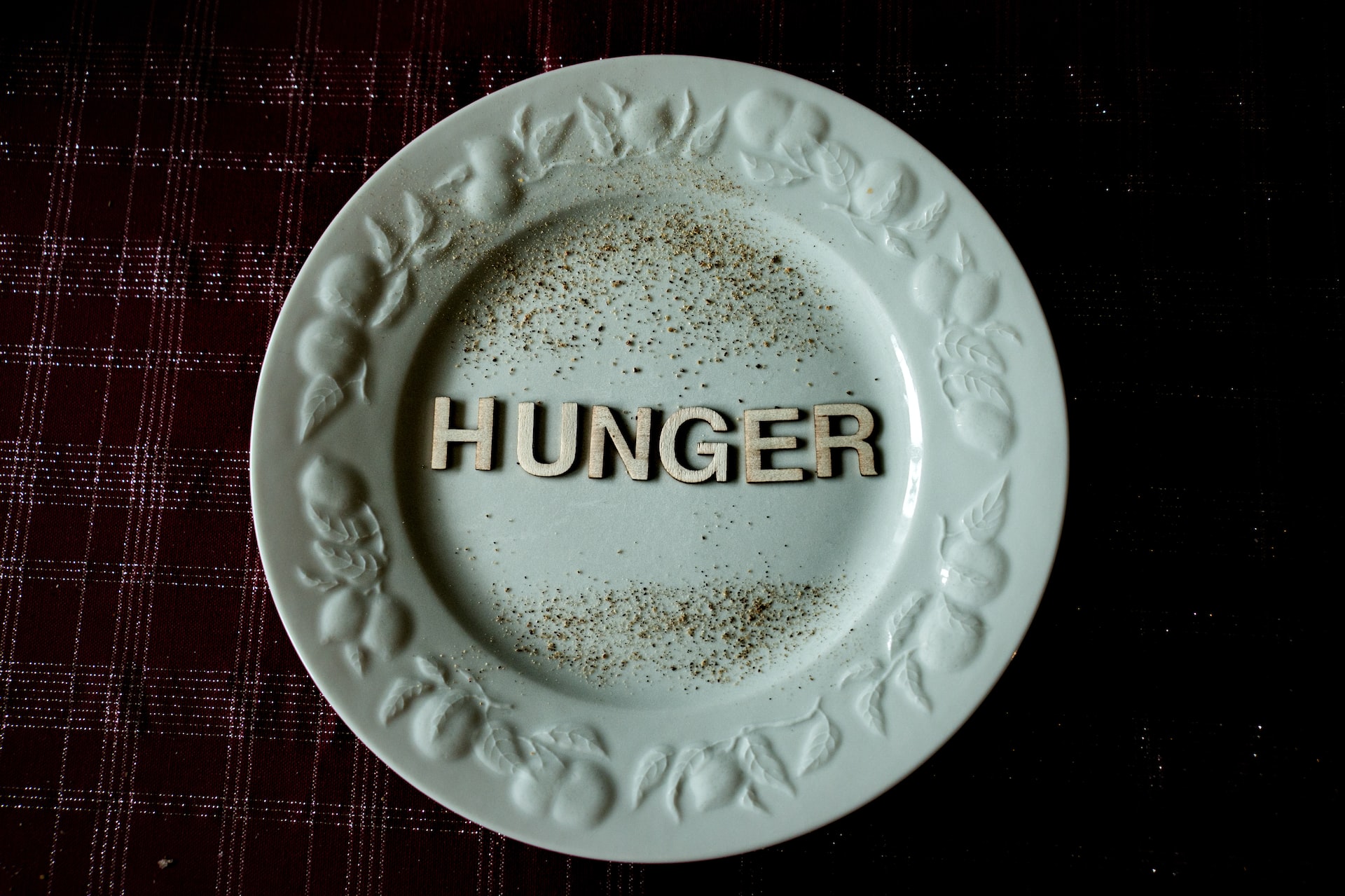
Plato vacío en el que reposan letras que forman la palabra "Hunger", 'hambre' en inglés

MEPs denounce that 90 years after the Holodomor famine, Russia is again committing horrible crimes in Ukraine.

In a resolution adopted Thursday with 507 votes in favor, 12 against and 17 abstentions, the European Parliament recognizes the famine inflicted by the Soviet regime in Ukraine between 1932 and 1933 – known as the Holodomor – as genocide. MEPs strongly condemn these acts, which resulted in the deaths of millions of Ukrainians, and call on all countries and organizations that have not yet done so to follow in their footsteps and declare it genocide.

The past, linked to the present

The plenary declares that the whitewashing and glorification of the totalitarian regime of the Soviet regime and the resurrection of the cult of the Soviet dictator Iosif Stalin have turned Russia into a state promoting terrorism. MEPs also condemn the horrible Russian crimes committed once again against the Ukrainian people, such as the targeted destruction of Ukraine’s civilian energy infrastructure during the winter.
EU citizens’ support for Ukraine is solid, Eurobarometer survey finds


Drawing parallels with the Soviet era, the resolution accuses the current Russian regime of violating Ukraine’s sovereignty and territorial integrity, attempting to liquidate Ukraine as a nation state and destroying the identity and culture of its people. It also condemns the fact that the current war has created a global food crisis, due to the looting and destruction of Ukrainian grain stores and the continuing difficulties in ensuring the export of grain from Ukraine to the poorest countries.

In addition, MEPs urge the EU and third countries to raise awareness of the events of the Holodomor and other crimes committed by the Soviet totalitarian regime. While condemning the current Russian regime for manipulating historical memory for its own survival, Parliament calls on the Russian Federation, as the primary successor of the Soviet Union, to apologize for these crimes.

Source: European Parliament
Publicaciones relacionadas:

Statement by President von der Leyen ahead of Europe Day Future of Europe: conference and proposals Parlamento EuropeoThis week in Brussels: long-term budget, climate law, COVID-19 Foreign Affairs Council (Trade), 12 March 2020 The first 100 days of the new Comission

EU News,  Institutional Affairs,  State Members Famine,  Genocide,  Holodomor,  Hunger,  russia,  ukraine

“This is a space for debate. All comments, for or against publication, that are respectful and do not contain expressions that are discriminatory, defamatory or contrary to current legislation will be published”.

Reader Interactions

Leave a Reply Cancel reply

Your email address will not be published. Required fields are marked *

This site uses Akismet to reduce spam. Learn how your comment data is processed.

Primary Sidebar

Footer

  • CDE Almería
  • Biblioteca Nicolás Salmerón – Universidad de Almería
  • Planta: 1ª, Despacho: 1.05.0B.
  • Ctra. Sacramento s/n. Almería (Spain)
  • Teléfono: (+34) 950 015266

HOME
NEWS
DOCUMENTATION
EUROPE ON THE NET
ABOUT US

  • LEGAL NOTICE
  • PRIVACY POLICY
  • COOKIE POLICY
  • ACCESSIBILITY
  • SITEMAP

Copyright © 2026 CDE Almería · Creative Commons LicenseThis work is licensed under a Creative Commons Attribution-NonCommercial 4.0 International License.

<p>El Centro de Documentación Europea de la Universidad de Almería utiliza cookies propias y de terceros para facilitar al usuario la navegación en su página Web y el acceso a los distintos contenidos alojados en la misma. Asimismo, se utilizan cookies analíticas de terceros para medir la interacción de los usuarios con el sitio Web. Pinche el siguiente enlace si desea información sobre el uso de cookies y como deshabilitarlas. </p>

Politica de privacidad

El Centro de Documentación Europea de la Universidad de Almería utiliza cookies propias y de terceros para facilitar al usuario la navegación en su página Web y el acceso a los distintos contenidos alojados en la misma. Asimismo, se utilizan cookies analíticas de terceros para medir la interacción de los usuarios con el sitio Web. Pinche el siguiente enlace si desea información sobre el uso de cookies y como deshabilitarlas. <a href="/politica-de-cookies" rel="noopener" target="_blank">Más información</a>

Cookies estrictamente necesarias

Las cookies estrictamente necesarias tiene que activarse siempre para que podamos guardar tus preferencias de ajustes de cookies.

Básicamente la web no funcionara bien si no las activas.

Estas cookies son:

  • Comprobación de inicio de sesión.
  • Cookies de seguridad.
  • Aceptación/rechazo previo de cookies.
Cookies de terceros

Esta web utiliza Google Analytics, Google Tag Manager y Yandex Metrika para recopilar información anónima tal como el número de visitantes del sitio, o las páginas más populares.

Dejar estas cookies activas nos permite mejorar nuestra web.

Política de cookies

Pinche el siguiente enlace si desea información sobre el uso de cookies y como deshabilitarlas. Más información